I&B Ministry
Shyam Benegal to head committee examining film censorship

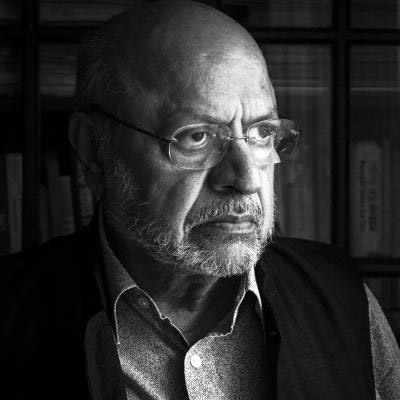
NEW DELHI: A Committee headed by veteran filmmaker Shyam Benegal has been constituted by the Government to suggest a paradigm that ensures that artistic creativity and freedom do not get stifled or curtailed even as films are certified.
Noting that “in most countries of the world there is a mechanism / process of certifying feature films and documentaries,” an official release also said that the attempt should also be that “the people tasked with the work of certification understand these nuances.”
The recommendations of this Committee are expected to provide a holistic framework and enable those tasked with the work of certification of films to discharge their responsibilities keeping in view this framework.
The note said Indian films have a glorious history and a whole lot of Indian films have enriched the cultural milieu of the country besides making astonishing advances in technical aspects of film making.
During their deliberations, the Committee would be expected to take note of the best practices in various parts of the world, especially where the film industry is given sufficient and adequate space for creative and aesthetic expression.
The Committee would recommend broad guidelines / procedures under the provisions of the Cinematograph Act 1952 / Rules for the benefit of the chairperson and other members of the Screening Committee. The staffing pattern of Central Board of Film Certification would also be looked into in an effort to recommend a framework, which would provide efficient and transparent user friendly services.
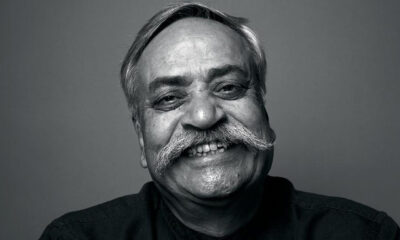
The other Members of the Committee include filmmaker Rakeysh Omprakash Mehra, creative director Piyush Pandey, media veteran Bhawana Somayya, National Film Development Corporation managing director Nina Lath Gupta, and Joint Secretary (Films) Sanjay Murthy as Member Convenor. The Committee has been requested to submit its recommendations within two months.
Welcoming the appointment of the Committee, Central Board of Film Certification (CBFC) chairman Pahlaj Nihalani told Indiantelevision.com that he hoped the report will clear the air as far as certifying films was concerned.
In a telephonic interview from Mumbai, Nihalani said that it was necessary to protect the freedom of speech and the right of a filmmaker, but this could not be done at the cost of permitting all kinds of language or innuendos.
He, therefore, suggested that there was need for extending the certification scope by introducing two categories beyond those at present. The categories at present are Universal (U), Universal with Adult Guidance (U/A), and Adult (A).
He felt that while not permitting pornography, there should be two categories beyond the A category: A+ and A++.
Meanwhile, Benegal said in an interview to a newspaper in Mumbai that his committee does not have anything to do with Nihalani. He added that many of the guidelines need to be looked at from time to time since society was an entity where things keep changing, sensibilities change and viewers change.
This is not the first time that such a committee has been set up. After earlier attempts, the last Committee that examined similar issues was headed by Mukul Mudgal. However, no action has been taken on that report submitted in 2013.