Gaming
S8UL partners with KRAFTON for official launch of Bullet Echo India


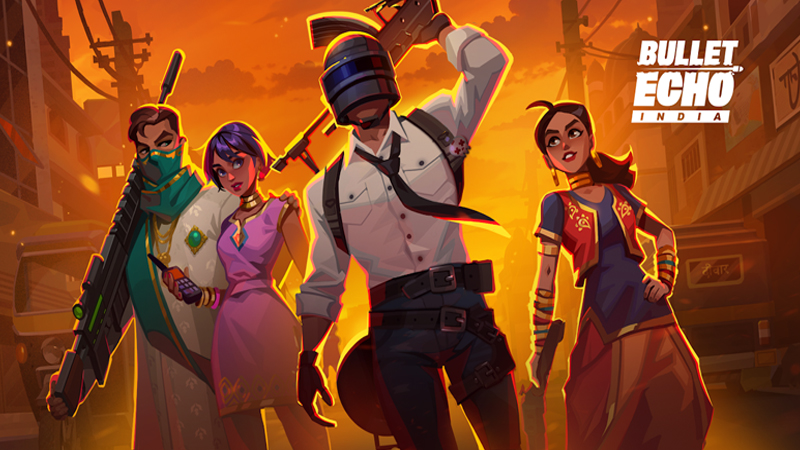
Mumbai: S8UL, an esports organisation has partnered with KRAFTON, the creators of the popular battle royale game – Battlegrounds Mobile India (BGMI), for the official launch of their latest game, Bullet Echo India.
Bullet Echo India is a multiplayer PvP tactical top-down shooter game, that invites players to form teams, devise strategies, and engage in adrenaline-fueled battles to emerge as the last team standing, similar to a battle royale.
S8UL’s lineup of renowned creators, including Mortal, Scout, Regaltos, Snax, JokerKiHaveli, PayalGaming, KaashPlays, and others, will create engaging content for their YouTube audiences during the official launch of Bullet Echo India. This collab is a mark of how S8UL and KRAFTON are always working together for bringing more life to the gaming experience in India. They had also collaborated for the launch of ‘Road to Valor : Empires’ early last year.
S8UL co-founder Lokesh Jain aka 8Bit Goldy, expressed his enthusiasm by stating, “We are delighted to partner with KRAFTON for the launch of Bullet Echo India, as this gives us another chance to bring new & enriching gaming experience to the community. With KRAFTON’s expertise and our deep understanding of the Indian gaming community, we are confident that Bullet Echo India will excite players across the country. I also look forward to it opening new avenues for esports athletes trying to make a mark in the competitive landscape”.
This partnership will enable KRAFTON to leverage the widespread, passionate fanbase, as well as the unique content of the organizations’ popular creators, to attract users across all demographics to the game.
Developed by KRAFTON in collaboration with ZeptoLab, Bullet Echo India is designed to captivate the Indian gaming community. Since its soft launch on 4 April, the game has rapidly ascended to the top of the charts on the Google Play Store, showcasing its immense popularity among Indian gamers.
“We are excited to join forces with S8UL for our Bullet Echo India. S8UL’s innovative approach has consistently set them apart, and their synergy is perfectly aligned with KRAFTON to deliver an unparalleled gaming experience that fans have been eagerly anticipating,” said India publishing advisor and KRAFTON India incubator programme head Anuj Sahani.
“The partnership between S8UL and KRAFTON for Bullet Echo India showcases our credibility and equity in the industry. As a player, I am particularly excited about the prospect of introducing Indian gamers to a unique gaming experience, offering a perfect blend of strategic gameplay and action-packed battles. I believe it is a must-play title for every gaming enthusiast and will make a significant impact in the Indian gaming market,” commented Tanmay Singh aka ScoutOP, an ex-Esports athlete who is currently a gaming creator of S8UL.
With S8UL’s co-founder Animesh Agarwal (8Bit Thug), alongside its creators PayalGaming, and Mortal recently engaging in a groundbreaking discussion with the honorable Prime Minister of India Narendra Modi, about the Esports industry, the organization continues to make waves for the development of the community. Their partnership with KRAFTON serves as a testament to their efforts to propel the growth of the Esports sector in India.
According to the FICCI-EY report titled ‘#Reinvent: India’s media & entertainment sector is innovating for the future,’ shooting games hold a prominent position in India, generating substantial in-app purchase revenues. Also, the rising popularity of gaming influencers has contributed to the expansion of the gaming ecosystem, attracting new cohorts of players.