iWorld
Rise & Fall climbs to top as reality TV’s latest cultural power play

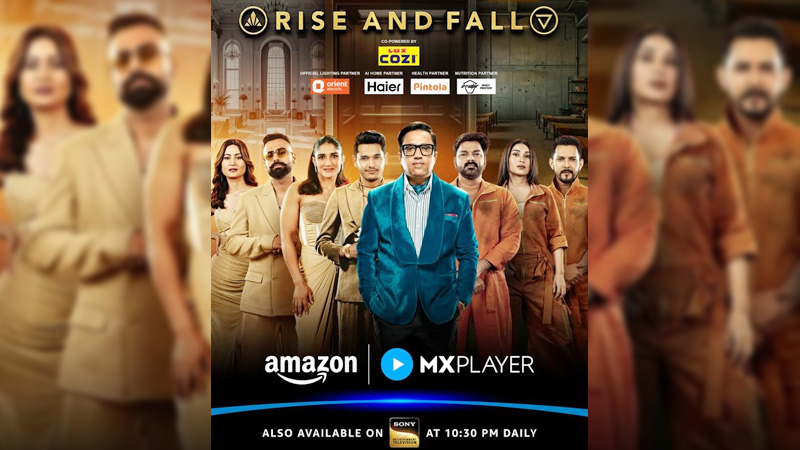
MUMBAI: When it comes to reality television, what goes up must come down but for Amazon MX Player’s Rise & Fall, the only direction right now is up. Premiering on 6 September, the high-drama reality experiment has shot straight into the Top 2 original reality shows on Ormax ratings, winning fans across both metros and rural India. And the buzz isn’t limited to television screens, the show has already racked up a jaw-dropping 500 million social media views, turning reels, memes, and reactions into a second stage of drama.
Hosted by Ashneer Grover, Rise & Fall drops 15 celebrity contestants spanning Bollywood, music, sports, entrepreneurship, and social media into a unique social experiment that examines the eternal tug-of-war between the powerful and the powerless. Over 42 days, alliances are built and broken, friendships tested, and betrayals executed with both tears and applause.
The star-studded line-up features Arbaaz Patel, Aarush Bhola, Aahana Kumra, Aditya Narayan, Arjun Bijlani, Dhanashree Verma, Kubra Sait, Kiku Sharda, Anaya Banger, Nayandeep Rakshit, Bali, Akriti Negi with the first elimination seeing Noorin Sha bow out.

“With Rise & Fall, Amazon MX Player is redefining reality television for India,” said Amazon MX Player director & head Karan Bedi. “We went back to the basics of what audiences want, not just spectacle and drama, but strategy, leadership, and emotion. By reimagining a global format through an Indian lens, we’re bringing viewers a bold, refreshing and powerful narrative that resonates deeply.”
The opulent set, designed by National Award-winning art director Omung Kumar, provides the perfect stage for the drama. Behind it all, Banijay India’s powerhouse creative team has tailored the format to spark conversation across every medium and judging by the memes flooding Instagram and Twitter, it’s working.
The show has also become a marketer’s playground. Amazon India head of advertising Girish Prabhu explained: “The response from brands has been phenomenal, they see real value in being part of Rise & Fall. Integrations feel natural and memorable, which is why sponsors like Lux Cozi, Orient Electric, Haier, Pintola, Avvatar Whey Protein, Envi, and HMD are seeing strong impact.”
With streaming on Amazon MX Player, Prime Video, Fire TV, the Amazon shopping app, Airtel Xstream and airing on Sony Entertainment Television at 10:30 pm, brands also get the bonus of multi-platform reach.
Rise & Fall isn’t just another unscripted series; it’s shaping up to be the OTT cultural moment of the year, where entertainment collides with hustle, and power shifts become prime-time spectacle. As fresh episodes drop daily at 12 pm, one thing’s clear, the only thing falling here are the contestants, while the show itself continues its meteoric rise.






iWorld
OpenAI hits back at Elon Musk’s lawsuit ahead of trial
Company calls claims “baseless” and accuses Musk of trying to disrupt a rival.
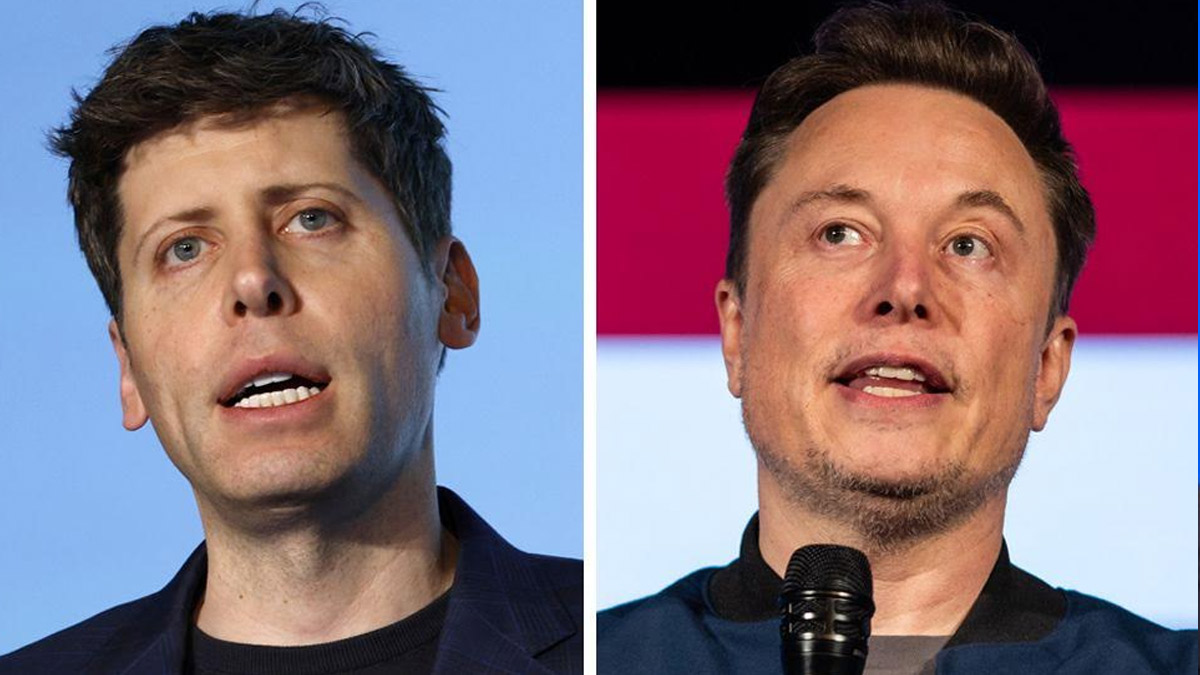
MUMBAI: When the stakes are measured in billions and egos are involved, even Silicon Valley titans can turn a courtroom into a battlefield. OpenAI has issued a sharp public response to Elon Musk’s ongoing lawsuit, accusing the billionaire of filing the case to harass a competitor rather than address genuine concerns. In a strongly worded statement shared on its official X account, OpenAI described Musk’s allegations as “baseless” and suggested the lawsuit is an attempt to disrupt the company as the case heads toward trial later this month in Oakland, California.
The response comes after Musk’s legal team recently amended the complaint, proposing that any damages potentially exceeding $150 billion should go to OpenAI’s nonprofit entity rather than to Musk personally. OpenAI questioned the timing and motive behind this change, calling it a late-stage attempt to “pretend to change his tune” on the nonprofit structure.
The company further labelled the lawsuit a “harassment campaign”, arguing that Musk’s actions are driven by personal rivalry, ego, and a desire for greater control and financial upside.
At the heart of the dispute is Musk’s claim that OpenAI has abandoned its original nonprofit mission of developing artificial intelligence for the benefit of humanity. A co-founder who left in 2018, Musk is seeking governance changes, including the removal of CEO Sam Altman from the nonprofit board, and the return of certain financial gains linked to Altman and President Greg Brockman.
OpenAI has firmly rejected these allegations, maintaining that its current hybrid structure, a public-benefit corporation overseen by a nonprofit parent remains true to its long-term goals. The company has also previously accused Musk of anti-competitive behaviour aimed at weakening its leadership.
As the case prepares for a jury trial, this public exchange highlights the deepening rift between two of the most influential figures in the AI revolution and raises broader questions about governance, mission, and power in the fast-moving world of artificial intelligence.
In the high-stakes game of AI, it seems the real drama isn’t just inside the models, it’s playing out in courtrooms too.






