eNews
Reverie Language Technologies’ video campaign appeals for language equality

Mumbai: Reverie Language Technologies, a leader in Indian language localisation and user engagement technology solutions, has launched a video campaign to raise awareness about India’s digital language divide.
Today, enterprises want to engage with the next billion digital citizens, but a majority of the non-English-speaking Indian population may find the internet has little to offer in the languages they speak at home. Reverie is bridging this gap with its state-of-the-art technology, powered by AI and ML, by providing all 22 official Indian languages with a presence on the Internet.
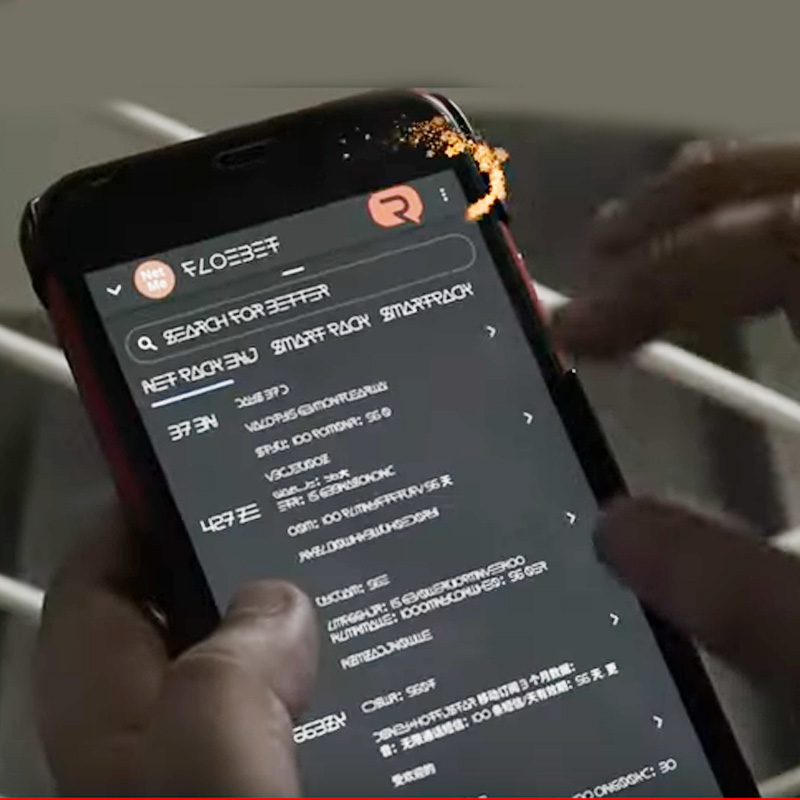
The video highlights how most of the Indian population is unable to fulfil even their fundamental rights like the right to education and the right against exploitation because the internet is really siloed for them.
The brand campaign is headlined by a video delineating how demarcated the Indian internet is for Indian language-literate Indians, limiting basic rights for almost 90% of the population.
The New Education Policy 2020 recognises all Indian languages as ‘Bharat Bhasha’ and acknowledges the role of mother tongues in schools as a cornerstone in enabling access, retention, and preventing dropouts. Reverie Language Technologies aims to facilitate this by ensuring that the content is contextually localised, keeping in mind the aesthetics of Indian languages.
“The video campaign is our humble effort to bring out that while the growth of the Indian Internet rides on our Indian-language literate digital citizens, the kind of Internet they deserve is a far cry. If we view the larger picture, the citizens are either categorised as browsers or ones that depend on OTP or QR verification, depriving them of the seamless Internet that English-literate citizens experience. Despite the massive strides India has made in the digital world, our natively literate citizens are still struggling to bridge the digital language divide and reap the benefits of the Internet and all it has to offer. Significant changes will not occur if languages on the Internet are not implemented through India-owned standards for our native languages. Through our campaign, we hope to build an equitable Internet for India,” said Reverie Language Technologies co-founder and CTO Vivekananda Pani.
Amongst the nine pillars the government’s vision of a ‘Digital India’ infrastructurally thrives on are data, devices, and languages. With the advent of smartphones and cheap data plans, the first two have been achieved. However, language equality is the key to digital transformation – it must be accessible without any entry or engagement barriers.
Imbalances in the information available in different native languages online affect who and what gets represented, and by whom. By partnering with businesses and government organisations, Reverie is filling this void by retaining the essence and nuance of all 22 official Indian languages across industries such as banking, fintech, education, healthcare, and gaming.