iWorld
‘Regional VOD, cashless subs among 2017 trends’

MUMBAI: The video on demand streaming industry in India is only blooming, with a host of developments in this year. The digital eco-system has seen production houses like Balaji Telefilms, Indian broadcasting networks such as Star India, Sony Pictures Networks, Viacom18, Zee, etc and few international players like Netflix, Hooq, Amazon Prime, Spuul, etc entering this space which caters to the varied tastes of a very heterogeneous Indian audience. The demand for customized viewing of digital content in India is only increasing. Various factors such as smartphone penetration, launch of 4G, data cost coming down, better infrastructure, diverse library of content offerings not only in Hindi and English but also in several regional languages, etc are the key factors that have driven the rise of video content this year.
In the year 2017, according to the Akamai & NASSCOM report on the future of internet in India, the mobile video content to grow at an 83 per cent CAGR in next 5 years. OTT has not only arrived, it is here to stay, and the advent of 4G and improved bandwidth speeds have only re-enforced this. With increased competition between the video on demand apps, regional content that appeals to particular states will be the key to capture user share.
Online video subscription numbers fluctuate dramatically every month. The number of unique online video viewers will grow from 66 million in 2015 to 355 million in 2020. E-payments and mobile wallets are getting more popular among the millennials in the country. Digitization of cash will accelerate over the next few years.

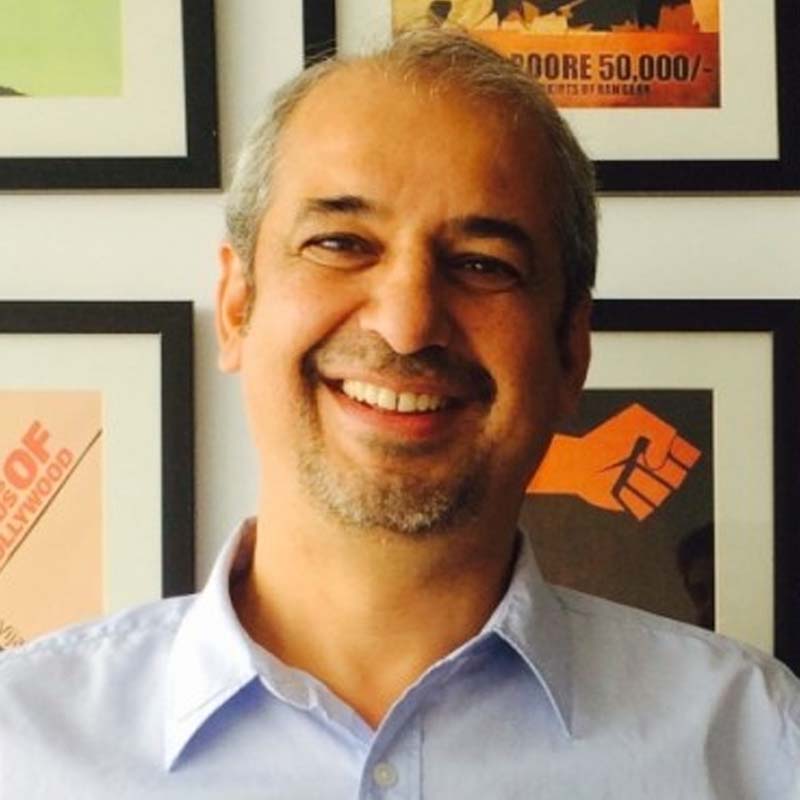
Spuul India’s Rajiv Vaidya opined:
Cord Cutting
Today’s viewers have a choice of a host of viewing platforms to choose from, including digital television, internet, tablets and smartphones. Revolutionary app-powered devices like Roku, Apple TV, Chromecast and other streaming devices lets viewers watch their favourite shows across a variety of screens. According to the Akamai & NASSCOM report on the future of internet in India, the mobile video content to grow at an 83 per cent CAGR in five years. Every major television manufacturer now offers “smart” television sets, with integrated internet features that provide access to a host of on-demand streaming media directly. OTT has not only arrived, it is here to stay, and the advent of 4G and improved bandwidth speeds have only re-enforced this. This surging popularity of OTT platforms has challenged the exclusivity that linear television enjoyed till quite recently. Broadcasters have begun witnessing the market trend of “cord cutting”, with a sizeable segment of viewers tuning out from cable subscription and completely switching over to OTT platforms. In fact the millennials have grown up watching shows online, and will possibly never subscribe to paid television services due to multiple streaming options now available and multiple generations that are accustomed to on-demand services. Looking at trends in the US, 2010 was the first year that regular pay television saw a quarterly decline in subscription numbers (this was reported by WSJ, back in 2012). We’re still a while away from that but a small pocket of users in India (usually in the larger cities) are exploring their options when it comes to cord cutting.
Let’s go regional
With increased competition between the video on demand apps, regional content that appeals to particular states will be the key to capture user share. According to the Akamai & NASSCOM report on the future of internet in India, about 75% of the new internet users consume content in local language. The real trick in winning the market is to capture the Tier III towns and the rural areas. According to the Frost & Sullivan report a large percentage of video-on-demand viewership in India is fragmented across states and languages. We have seen a lot of growth in regional content on the video on demand apps, fuelled by demand from both local viewers and the international diaspora. According to Internet and Mobile Association in India (IMAI), the Internet user base will cross 500 million by 2018, with rural Internet users alone being almost 210 million.
Micro transactions and cashless transactions
According to the Frost & Sullivan report there are 66 million unique connected video viewers in India, of which 1.3 million are paid video subscribers. Online video subscription numbers fluctuate dramatically every month. The number of unique online video viewers will grow from 66 million in 2015 to 355 million in 2020. The country is heading for a cashless economy with a colossal change in the way netizens make their day to day transactions. E-payments and mobile wallets are getting more popular among the millennials in the country. Digitization of cash will accelerate over the next few years. Non-cash payment transactions, which today constitute 22 per cent of all consumer payments, will overtake cash transactions by 2023. Digital payments instruments will drive the growth in non-cash payments, according to Google BCG Report. Micro-transactions will form a substantial portion of the industry, with over 50 per cent of person-to-merchant transactions expected to be under INR 100 the study said. The report predicts that the value of remittances and money transfer that will pass through alternate digital payment instruments will double to 30 per cent by 2020.






Gaming
DPIIT partners with Krafton to boost tech-media startups
New MoU aims to accelerate innovation in gaming, esports and AI-driven entertainment.
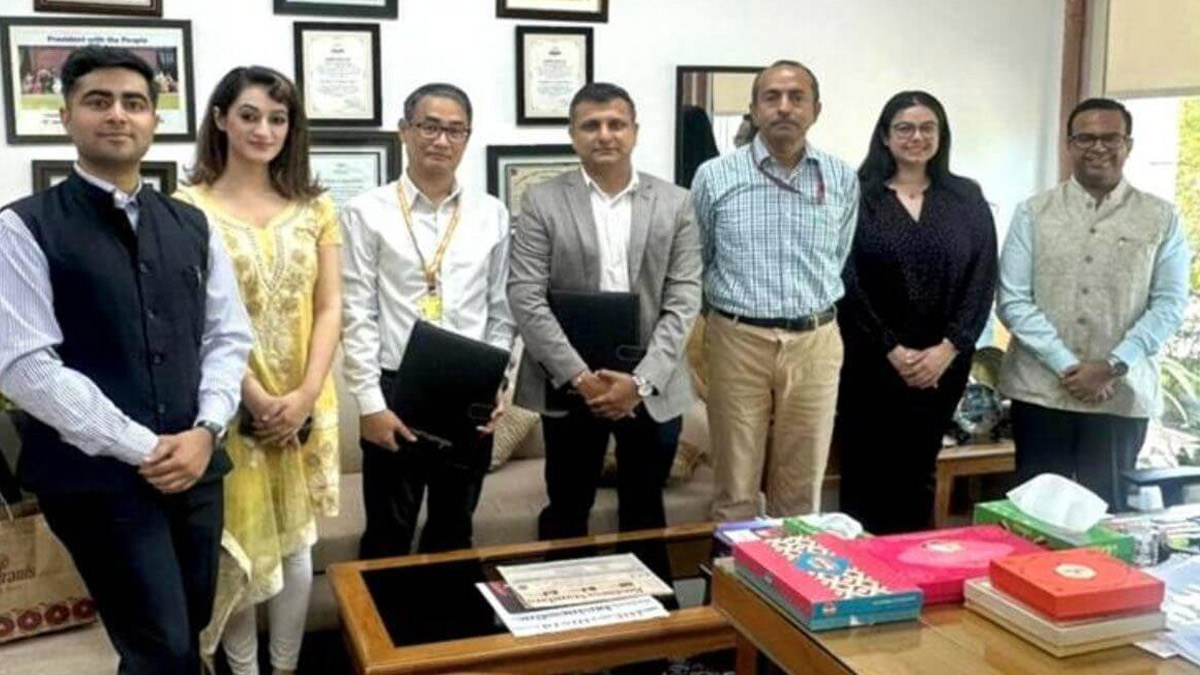
MUMBAI: When government meets gaming, sparks are bound to fly and this time, the partnership promises to level up India’s startup scene in more ways than one. The Department for Promotion of Industry and Internal Trade (DPIIT), under India’s Ministry of Commerce and Industry, has signed a memorandum of understanding with Krafton India Pvt. Ltd. to support early-stage startups working at the intersection of technology and media. The agreement, formalised on Thursday, reflects a growing effort by policymakers to harness private-sector expertise for the country’s booming digital entertainment ecosystem.
Under the partnership, selected startups will gain access to mentorship, industry networks and structured opportunities to engage with established players. The initiative is designed to help young companies move from prototype to market-ready products, test concepts, secure market access and integrate into larger industry ecosystems.
Sanjiv, a joint secretary at DPIIT, described the collaboration as part of a broader strategy to strengthen India’s digital and creative economy. He emphasised that such alliances are essential for helping startups develop globally competitive solutions in emerging sectors such as online gaming, esports, interactive media and artificial intelligence.
The programme will feature innovation challenges under the government’s startup initiatives, along with hackathons, workshops and masterclasses covering game design, animation, immersive technologies and AI applications. Selected startups may also be considered for pilot projects with industry partners based on their performance.
In a sector where ideas move at the speed of a battle royale, this partnership could be the ultimate power-up giving promising startups the mentorship and exposure needed to turn creative sparks into sustainable success stories.