iWorld
Quick commerce drives 45 per cent of festive buys, says WPP–Meta report

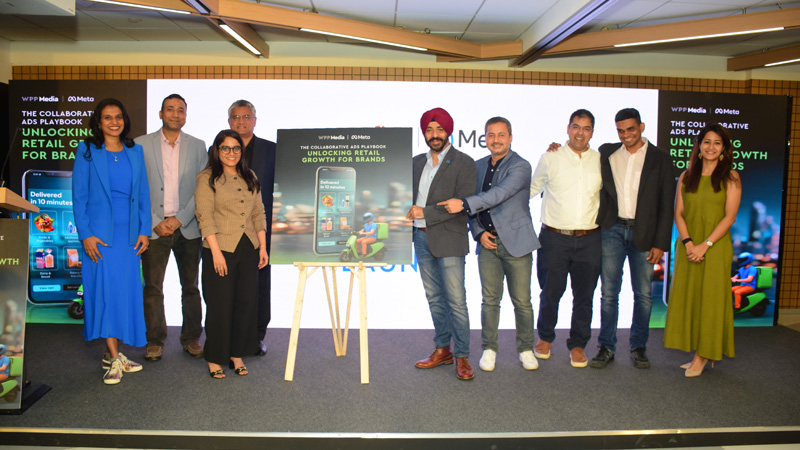
INDIA: Quick commerce has muscled its way into India’s shopping habits, powering 45 per cent of festive purchases this year as consumers shift from planned buys to split-second decisions. A new Collaborative Performance Advertising Solutions (CPAS) playbook from WPP India and Meta shows how discovery on social platforms now converts directly into sales on retailer apps, compressing the journey from browse to buy into minutes.
Awareness of quick commerce stands at 91 per cent, with more than half of internet users placing an order in the past week. Adoption is rising fastest in smaller cities, where the segment is expanding at 8–9 per cent a year. Groceries still dominate, but fashion accessories and bags have surged past Rs 40 crore a month, more than doubling in six months.
The playbook draws on consumer insights, retailer data and Meta’s platform signals, stitched together by WPP Media’s CPAS expertise. It highlights the rise of high-intent shoppers who move from inspiration to checkout in one session, forcing brands to plan for full-funnel commerce rather than lower-funnel metrics alone.

Brands using CPAS are already reaping gains. Coca-Cola’s sugar-free portfolio delivered a 39 per cent jump in Retail & Quick Commerce in India (ROAS) and 40 per cent lower acquisition costs by targeting high-intent audiences through retailer-linked catalogues. Britannia cut its cost per purchase by 45 per cent and lifted ROAS from 0.6 to 1.0 through dynamic product ads and real-time data sync across Blinkit, Swiggy, Zepto and others.
WPP Media South Asia COO Ashwin Padmanabhan, said the “meteoric rise” of quick commerce had squeezed the purchase funnel like never before. WPP Media South Asia CEO Prasanth Kumar, said the model was “redefining the future of retail advertising”. Meta agencies and VC partnerships (India) director Gaurav Jeet Singh, said India was leading the global shift from discovery to instant purchase.
The CPAS model, which has delivered a 24 per cent rise in ROAS year on year across collaborative ads, offers brands a route to measurable, outcome-led growth as India’s retail market tilts further towards instant gratification.







iWorld
Bill Ackman’s Pershing Square makes $64 billion bid to acquire Universal Music Group
Ackman pitches NYSE relisting plan as UMG board weighs unsolicited offer

The hedge fund has proposed a business combination that values UMG at €30.40 per share, representing a hefty 78 per cent premium to its current trading price. The offer includes €9.4 billion in cash alongside stock in a newly formed entity, with shareholders set to receive €5.05 per share in cash and 0.77 shares in the new company for each UMG share they hold.
Under the proposal, UMG would merge with Pershing Square SPARC Holdings Ltd and re-emerge as a Nevada-based entity listed on the New York Stock Exchange. The move is designed to boost investor visibility and potentially secure inclusion in major indices such as the S&P 500.
Pershing Square Capital Management ceo Bill Ackman argued that while UMG’s operational performance remains strong, its market valuation has lagged due to external factors. “UMG’s stock price has languished due to a combination of issues that are unrelated to the performance of its music business,” Ackman said, pointing to concerns ranging from shareholder overhang to delayed US listing plans.
Ackman also flagged what he sees as untapped potential in UMG’s balance sheet and a lack of clear capital allocation strategy. He added that the market has not fully recognised the value of UMG’s €2.7 billion stake in Spotify, alongside gaps in investor communication.
The proposed transaction would also result in the cancellation of around 17 per cent of UMG’s outstanding shares, while maintaining its investment-grade balance sheet. Pershing Square has said it will fully backstop the equity financing, with debt commitments secured at signing. The deal is targeted for completion by the end of the year.
UMG, however, has struck a measured tone. The company confirmed that its board has received the non-binding proposal and will review it with advisers. It reiterated confidence in its current strategy and leadership under Lucian Grainge, signalling no immediate shift in stance.
The proposal comes at a time when global music companies are navigating evolving investor expectations, streaming economics and capital allocation pressures. For Pershing Square, the bet is clear: sharpen the financial story, relist in the US, and let the music play louder in the markets.
Whether UMG’s board is ready to change the tune remains to be seen, but the spotlight on its valuation just got a lot brighter.






