iWorld
OTTplay Awards returns for its second grand celebration


Mumbai: The OTTplay Awards, India’s most prestigious recognition of outstanding achievements in the realm of over-the-top content, is back with its much-anticipated second edition, presented by Danube Properties Dubai. In an ever-evolving digital landscape, the OTTplay Awards continue to honour excellence and innovation, setting the gold standard for the Indian OTT industry.
The OTTplay Awards 2023 promises to be a night to remember, featuring a star-studded lineup of guests. The purple carpet event at the iconic Taj Lands End in Mumbai is scheduled to kick off at 8:00 pm on 29 October 2023, offering an unparalleled glamour quotient.
This year, the OTTplay Awards proudly announces its telecast partnership with Colors Infinity, adding an extra layer of grandeur to the event. With this collaboration, the awards ceremony will reach an even wider audience, celebrating the brilliance of Indian OTT content across the nation.

The OTTplay Awards will recognize achievements across a remarkable over 30 categories, encompassing all genres. The event’s one-of-a-kind distinction is its mission to celebrate India’s diverse cultural landscape, making it the first-ever PAN-INDIA OTT Award – truly embodying the spirit of “One Nation, One OTT Award.”
The prestigious awards night will witness the presence of the who’s who of the OTT industry, from celebrated actors to visionary directors, talented writers, and producers who have contributed to the growth and success of India’s digital entertainment landscape.
“The OTTplay Awards have always been about acknowledging and appreciating the incredible talent that the OTT platforms have brought to the forefront,” said OTTplay CEO and co-founder Avinash Mudaliar. “This year, our focus remains unwavering, as we celebrate excellence in every genre, reinforcing the idea that content knows no boundaries. We are delighted to be hosting our second edition of the awards, and we look forward to the presence of some of the most iconic names in the industry.”
As the anticipation builds for the OTTplay Awards 2023, the stage is set for a remarkable evening that will shine a spotlight on the brilliance and innovation of India’s ever-evolving OTT industry. With the promise of iconic guests and a record-breaking number of categories, this event marks a significant milestone in the digital entertainment landscape.







iWorld
OpenAI hits back at Elon Musk’s lawsuit ahead of trial
Company calls claims “baseless” and accuses Musk of trying to disrupt a rival.
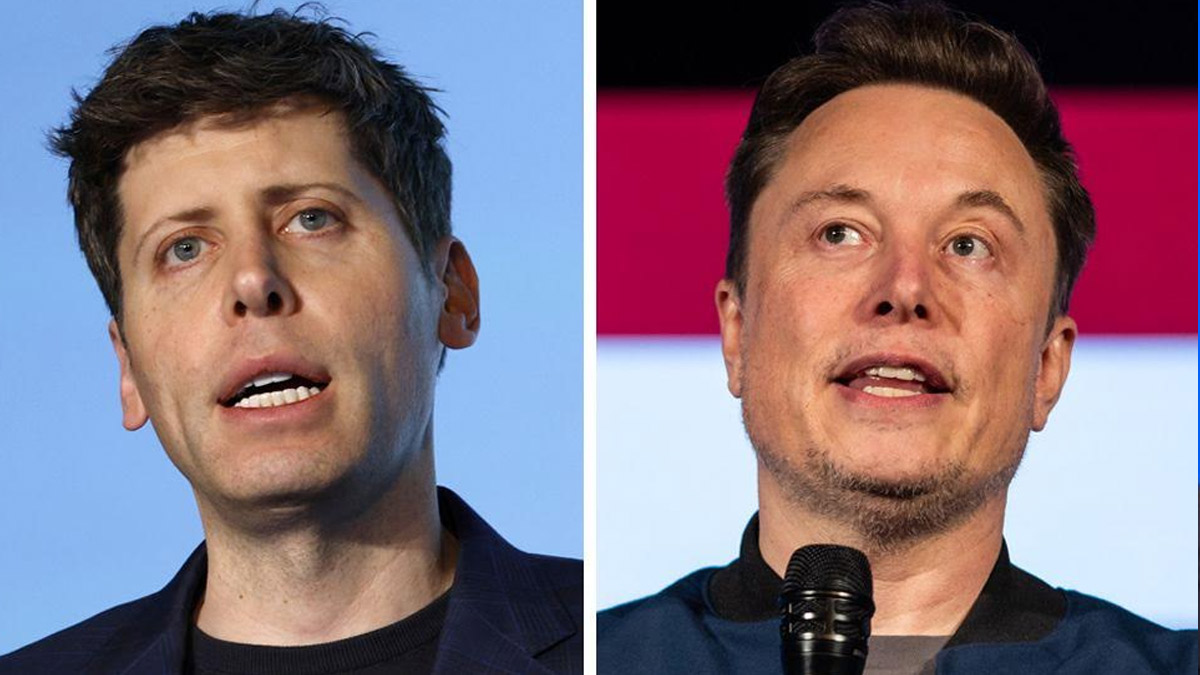
MUMBAI: When the stakes are measured in billions and egos are involved, even Silicon Valley titans can turn a courtroom into a battlefield. OpenAI has issued a sharp public response to Elon Musk’s ongoing lawsuit, accusing the billionaire of filing the case to harass a competitor rather than address genuine concerns. In a strongly worded statement shared on its official X account, OpenAI described Musk’s allegations as “baseless” and suggested the lawsuit is an attempt to disrupt the company as the case heads toward trial later this month in Oakland, California.
The response comes after Musk’s legal team recently amended the complaint, proposing that any damages potentially exceeding $150 billion should go to OpenAI’s nonprofit entity rather than to Musk personally. OpenAI questioned the timing and motive behind this change, calling it a late-stage attempt to “pretend to change his tune” on the nonprofit structure.
The company further labelled the lawsuit a “harassment campaign”, arguing that Musk’s actions are driven by personal rivalry, ego, and a desire for greater control and financial upside.
At the heart of the dispute is Musk’s claim that OpenAI has abandoned its original nonprofit mission of developing artificial intelligence for the benefit of humanity. A co-founder who left in 2018, Musk is seeking governance changes, including the removal of CEO Sam Altman from the nonprofit board, and the return of certain financial gains linked to Altman and President Greg Brockman.
OpenAI has firmly rejected these allegations, maintaining that its current hybrid structure, a public-benefit corporation overseen by a nonprofit parent remains true to its long-term goals. The company has also previously accused Musk of anti-competitive behaviour aimed at weakening its leadership.
As the case prepares for a jury trial, this public exchange highlights the deepening rift between two of the most influential figures in the AI revolution and raises broader questions about governance, mission, and power in the fast-moving world of artificial intelligence.
In the high-stakes game of AI, it seems the real drama isn’t just inside the models, it’s playing out in courtrooms too.






