iWorld
One Digital Entertainment to focus on content localisation, international expansion and tech innovation

MUMBAI: Along with focusing on reaching out to global audiences, digital content network One Digital Entertainment is also focusing on the niche regional ones. Meanwhile, localisation of content is a key focus area this year.
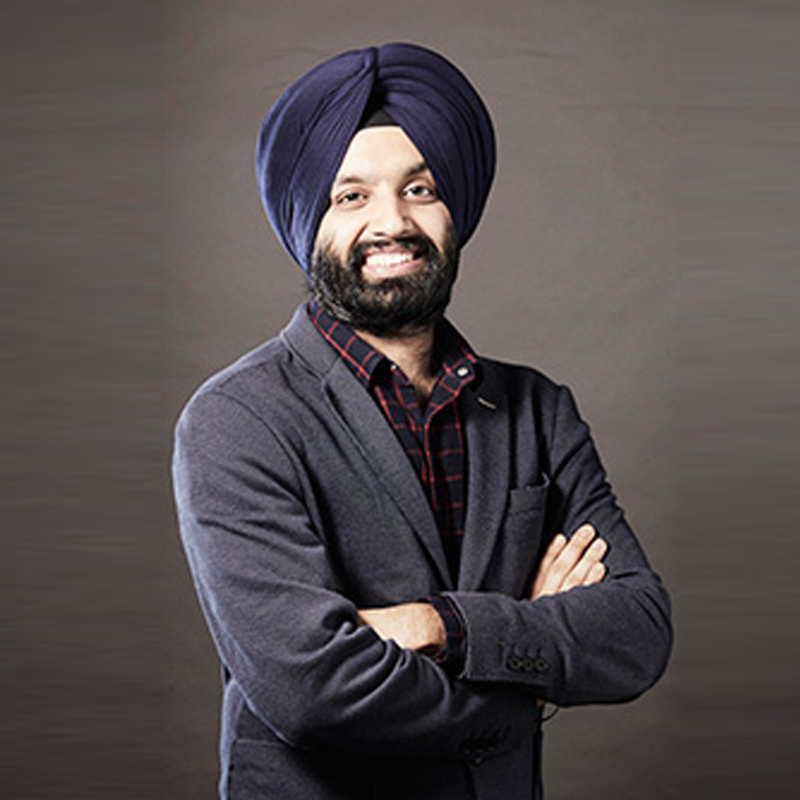
“Besides the content for Hindi and English speaking audiences, we have a lot of creators producing content in regional languages like Punjabi, Marathi, Bengali, Haryanvi, Bhojpuri, and Gujarati etc. And we are strongly looking at expanding it. The localisation of content is a key focus area this year,” One Digital Entertainment (ODE) COO and co-founder Gurpreet Singh commented in an interview with indiantelevision.com.
The company is also planning to explore other international markets especially Southeast Asia and the Middle East. Singh added that the company’s popular in-house IP India’s Digital Chef is in the production phase with the scale being bigger than last year. More distinct IPs are being launched in the music, comedy and fiction spaces as well. ODE produced Lockdown for ZEE5 in partnership with Badshah and talks are on with other OTT players as well.
ODE is now diversifying into new avenues and sticking to the core objective of scouting talent and building brands. Boasting a network of over 1000 creators and content partners, it is also aiming at building a collateral revenue model for clients that are sustainable in the long term with minimum risk career opportunities.
The content network is currently managing content creators and channel partners delivering over 5 billion views every month. ODE manages creators like Badshah, Mostly Sane, Sanjeev Kapoor, Raftaar, Armaan Malik, Shankar Ehsaan Loy, Anubhav Sinha, Rannvijay, Food Food TV, Viacom 18 Motion Pictures, Excel Movies. It has also developed strategic partnerships with YouTube, Saavn, Hungama, Spotify, VH1, MTV, Gaana, iTunes, Facebook, Twitter and Dailymotion.
“Our core thought is to create a self-sustaining digital content ecosystem by empowering creators with multiple support functions ranging from content strategy to production, post-production, artist management, marketing, collaborations, distribution and monetisation. We aim at transforming our creators into sustainable brands instead of just getting them the ‘likes and views’ sticking to our philosophy of building brands and not just views,” he emphasised.
On the back of past success, the company now gets almost 200-300 emails every week of upcoming or established creators reaching out to join the network which are later reviewed by the artist onboarding teams. It has a revenue share model with the creators. Based on the associations with its clients and the ongoing investment, the IP sharing varies from deal to deal where it’s either solely held by creators or co-shared between ODE and creators.
“The revenue mechanism and processes have been able to give all the artists their deserving royalties, revenues etc. in a transparent manner. We have learnt that it is imperative to foresee this business in a holistic way without which most hard-work would stand void. Scalability of this business only comes to effect with the formation of an ecosystem with a full life cycle with coerced services and a revenue stream,” Singh added.
ODE’s ability to bring cutting edge, first-hand technology to young talented creators is what differentiates them. He added that using machine learning and AI in understanding content consumption patterns and by combining data with their own personal learning, they have been able to achieve very high ROIs.
“We recently announced a strategic partnership with Holosuit – the world’s first ever affordable, bi-directional, wireless and easy to use full body motion capture suit, that acts as a bridge between the virtual & real world and shall be extending this technology to our creators to produce next-generation content. Some heavy investments will also be made into building the offline connect between these creators and fans via multiple on ground events throughout the year,” he added.
“Our self-service content distribution and influencer management platform OneAxcess.com has enabled hundreds of creators to manage their content and distribute across multiple platforms completely on their own with complete transparency and performance reports. Our association with Holosuit will further redefine the creation of next-generation AR/VR content by our creators,” he signed off.