iWorld
No option but to protect digital IPs today: SonyLIV’s Manish Verma


MUMBAI: The increasing popularity of streaming platforms brings with it the threat of piracy. To tackle this menace, SonyLIV recently chose Intertrust’s cloud-based multi-DRM (digital rights management) service, ExpressPlay DRM, to protect content streaming and downloads, including both online and offline playbacks on all devices.
“We all want to protect content. If the content is available freely, the value of the content goes down. Piracy is one of the key concerns for all of us and we want to make sure that we minimise the piracy. It is one of the key considerations when we talk about content protection,” SonyLIV technology head Manish Verma said.
Verma said that they had been discussing the deal for six-eight months.

“When you are using a DRM, there is a lot of backend processing, packaging, content integration, etc., and we need to make the change across all these. When you get into such a strategic partnership, you need to keep in mind what is available now, what is going to be available in the future, what is the potential of the company and the evolution of the product,” he added.
Intertrust Technologies India strategy and business DVP Manas Mati said that it isn't just about security. As SonyLIV is available across many countries with live sports channels, it is also to ensure that it can give lower latency along with encryption services. As to what makes it different from competitors, Mati said they have better knowledge of content security standards and guidelines, having worked with a lot of large studios in the US with a larger geographical footprint.
“We always work in the future. For example, today we are streaming SD, HD content; we have customers who are streaming 4k content. That means if somebody wants to stream 4k content, we can bring the technology soon to them,” Mati added.
“This (DRM) is not an option anymore. Over a period of time, all the OTT players have started investing in content protection. We have no other option to protect the IP that we are producing and if you don’t do it, you will be at a loss. So it is a necessity to protect premium content and offers seamless buffering across devices,” Verma added.







iWorld
OpenAI hits back at Elon Musk’s lawsuit ahead of trial
Company calls claims “baseless” and accuses Musk of trying to disrupt a rival.
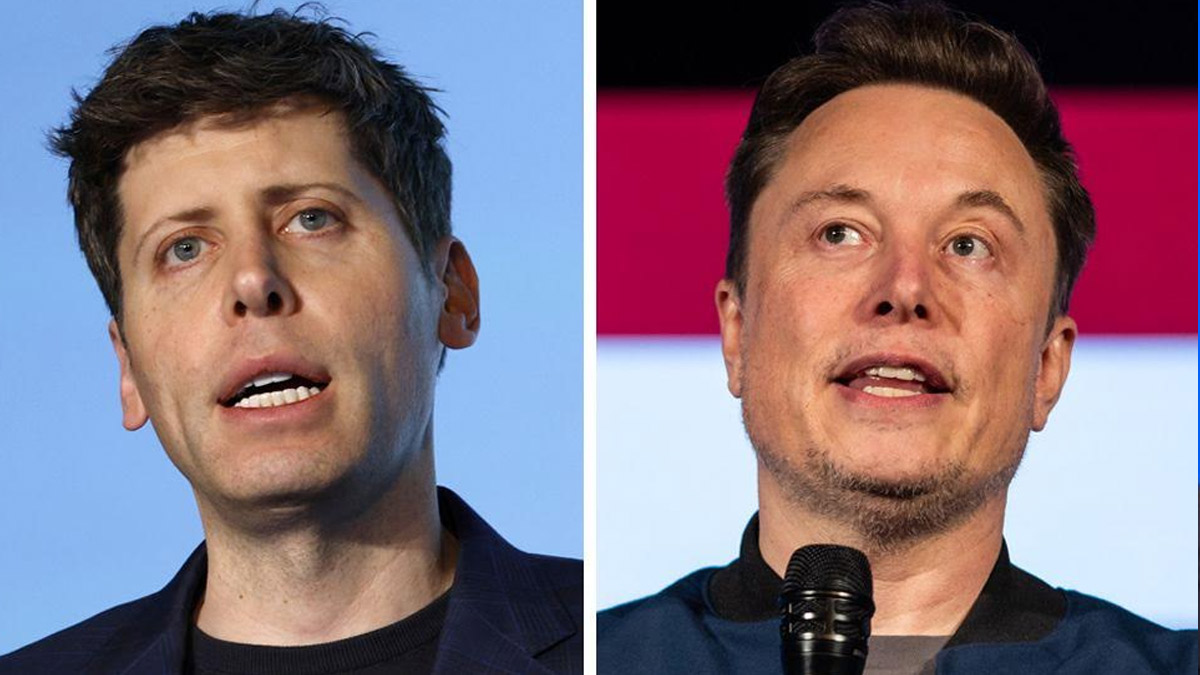
MUMBAI: When the stakes are measured in billions and egos are involved, even Silicon Valley titans can turn a courtroom into a battlefield. OpenAI has issued a sharp public response to Elon Musk’s ongoing lawsuit, accusing the billionaire of filing the case to harass a competitor rather than address genuine concerns. In a strongly worded statement shared on its official X account, OpenAI described Musk’s allegations as “baseless” and suggested the lawsuit is an attempt to disrupt the company as the case heads toward trial later this month in Oakland, California.
The response comes after Musk’s legal team recently amended the complaint, proposing that any damages potentially exceeding $150 billion should go to OpenAI’s nonprofit entity rather than to Musk personally. OpenAI questioned the timing and motive behind this change, calling it a late-stage attempt to “pretend to change his tune” on the nonprofit structure.
The company further labelled the lawsuit a “harassment campaign”, arguing that Musk’s actions are driven by personal rivalry, ego, and a desire for greater control and financial upside.
At the heart of the dispute is Musk’s claim that OpenAI has abandoned its original nonprofit mission of developing artificial intelligence for the benefit of humanity. A co-founder who left in 2018, Musk is seeking governance changes, including the removal of CEO Sam Altman from the nonprofit board, and the return of certain financial gains linked to Altman and President Greg Brockman.
OpenAI has firmly rejected these allegations, maintaining that its current hybrid structure, a public-benefit corporation overseen by a nonprofit parent remains true to its long-term goals. The company has also previously accused Musk of anti-competitive behaviour aimed at weakening its leadership.
As the case prepares for a jury trial, this public exchange highlights the deepening rift between two of the most influential figures in the AI revolution and raises broader questions about governance, mission, and power in the fast-moving world of artificial intelligence.
In the high-stakes game of AI, it seems the real drama isn’t just inside the models, it’s playing out in courtrooms too.






