iWorld
Netflix steals the streaming crown as APAC marketers bet big on video ads

MUMBAI: Netflix has pulled off a streaming coup in Asia-Pacific, snatching the title of most preferred ad platform from its rivals—a first for any subscription service in the region. The shift marks a watershed moment as marketers scramble to follow consumer eyeballs to wherever they’re glued next.
According to Kantar Media Reactions 2025, over half of APAC marketers plan to pump more cash into online video, e-commerce and influencer content next year. But here’s the kicker: it’s Netflix that’s caught their fancy, not just YouTube’s tried-and-tested ad machine.
“Almost two in five consumers believe Netflix delivers trustworthy ads and over one-third say they are of better quality,” says Kantar APAC head of media Andy Gallagher. The streaming giant ranks highest for ad equity in South Korea and Japan, with Japanese audiences particularly sold on the platform’s quality and trustworthiness. “Ad equity matters. Our studies prove that campaigns are seven times more impactful among more receptive audiences,” Gallagher adds.

YouTube still holds court as the best platform for capturing consumer attention amongst marketers, whilst Prime Video has muscled into the top five for both camps. Pinterest—fuelled by Gen Z’s appetite for feel-good content—is the lone social platform crashing the marketers’ top five party. Meanwhile, Google Search dominates in India and the Philippines, and Amazon flexes its muscles in Australia.
In southeast Asia’s social media scrum, TikTok tops the consumer vote for attention-grabbing ads. On the e-commerce front, Grab has leapfrogged both Shopee and Lazada in winning positive consumer sentiment.
But plot twist: offline is fighting back. Digital out-of-home ads have jumped two spots to claim the number one position with consumers, whilst cinema ads have gate-crashed the top five for the first time. DOOH also nabbed the top spot with marketers—a new entrant to their rankings.
“The rise of DOOH signals a strategic opportunity for brands to leverage public spaces for creative storytelling,” notes Gallagher. “Consumer preferences extend well beyond digital media, reaffirming the enduring relevance of traditional channels. Test and learn to maximise the impact that new possibilities can bring for your brand.”
Then there’s the AI elephant in the room. Whilst 62 per cent of APAC marketers are buzzing about AI applications in advertising and 61 per cent are using generative AI to work faster, consumers aren’t quite ready to join the love-in. Some 56 per cent reckon they can spot an AI-generated ad a mile off, and 63 per cent fret that generative AI could spawn fake content.
Gallagher’s parting shot? “Efficiency may capture time for marketers, but authenticity is what will capture the hearts and trust of consumers.” Consider that the mic drop for 2025’s media landscape.






iWorld
OpenAI hits back at Elon Musk’s lawsuit ahead of trial
Company calls claims “baseless” and accuses Musk of trying to disrupt a rival.
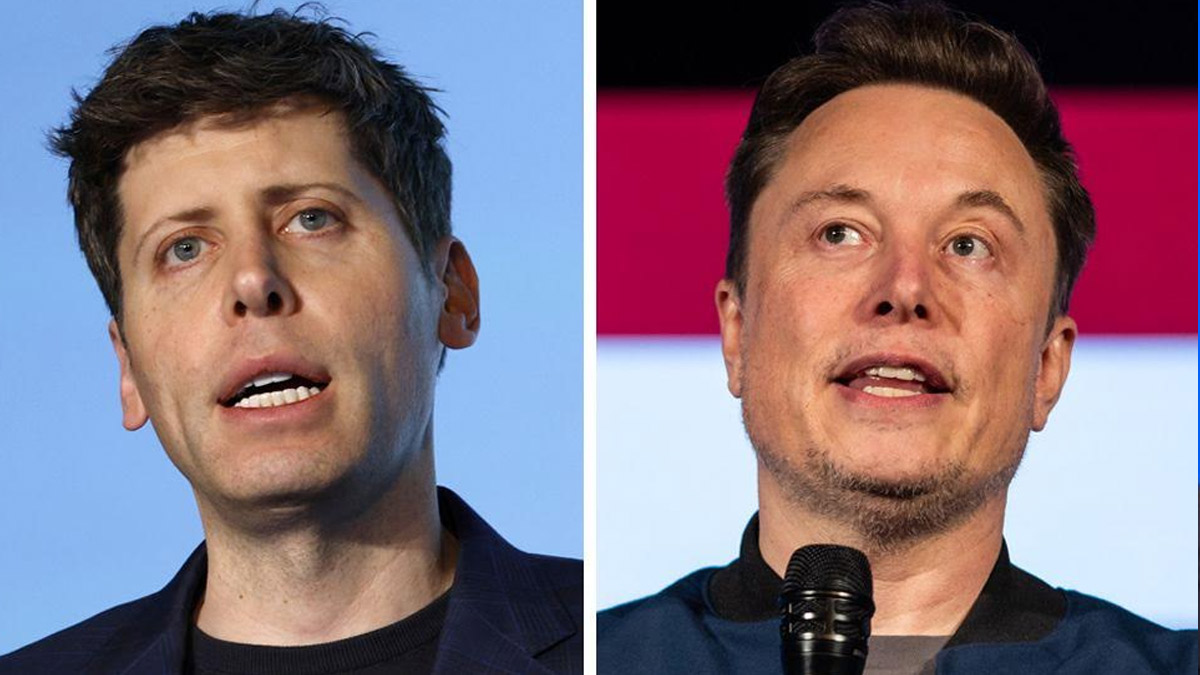
MUMBAI: When the stakes are measured in billions and egos are involved, even Silicon Valley titans can turn a courtroom into a battlefield. OpenAI has issued a sharp public response to Elon Musk’s ongoing lawsuit, accusing the billionaire of filing the case to harass a competitor rather than address genuine concerns. In a strongly worded statement shared on its official X account, OpenAI described Musk’s allegations as “baseless” and suggested the lawsuit is an attempt to disrupt the company as the case heads toward trial later this month in Oakland, California.
The response comes after Musk’s legal team recently amended the complaint, proposing that any damages potentially exceeding $150 billion should go to OpenAI’s nonprofit entity rather than to Musk personally. OpenAI questioned the timing and motive behind this change, calling it a late-stage attempt to “pretend to change his tune” on the nonprofit structure.
The company further labelled the lawsuit a “harassment campaign”, arguing that Musk’s actions are driven by personal rivalry, ego, and a desire for greater control and financial upside.
At the heart of the dispute is Musk’s claim that OpenAI has abandoned its original nonprofit mission of developing artificial intelligence for the benefit of humanity. A co-founder who left in 2018, Musk is seeking governance changes, including the removal of CEO Sam Altman from the nonprofit board, and the return of certain financial gains linked to Altman and President Greg Brockman.
OpenAI has firmly rejected these allegations, maintaining that its current hybrid structure, a public-benefit corporation overseen by a nonprofit parent remains true to its long-term goals. The company has also previously accused Musk of anti-competitive behaviour aimed at weakening its leadership.
As the case prepares for a jury trial, this public exchange highlights the deepening rift between two of the most influential figures in the AI revolution and raises broader questions about governance, mission, and power in the fast-moving world of artificial intelligence.
In the high-stakes game of AI, it seems the real drama isn’t just inside the models, it’s playing out in courtrooms too.






