iWorld
Netflix backs WBD board, doubles down on blockbuster merger

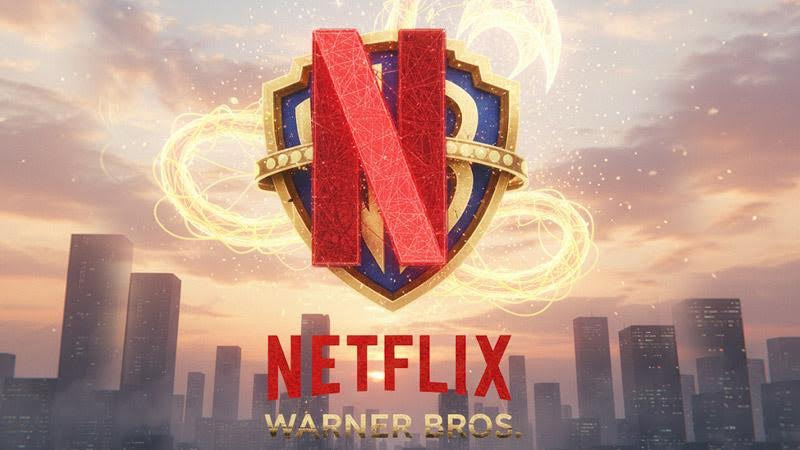
CALIFORNIA: Netflix has thrown its full weight behind Warner Bros. Discovery’s board, endorsing its unanimous decision to stick with the Netflix merger and rebuff Paramount Skydance’s revised takeover bid. The message from Los Gatos is unequivocal: this is the deal that matters.
After what it called a “comprehensive and rigorous” review, the WBD board has reaffirmed that the Netflix transaction delivers the best outcome for shareholders, creators and audiences alike. Netflix welcomed the stance, describing the agreement as a rare alignment of scale, creative muscle and financial certainty in an industry addicted to leverage and noise.
Ted Sarandos and Greg Peters, co-ceos of Netflix, said the combination would fuse two complementary storytelling powerhouses. Together, they argued, Netflix and Warner Bros. would expand creative opportunities, strengthen theatrical and streaming slates, and sharpen competition across a rapidly consolidating entertainment landscape.

The economics are hefty. Under the agreement announced in December, Netflix will acquire Warner Bros. Discovery in a cash-and-stock deal valuing WBD at $27.75 per share, with an enterprise value of about $82.7 billion. Crucially, the structure preserves the planned spin-off of Discovery Global, WBD’s linear networks arm, expected to list in Q3 2026.
Regulatory wheels are already turning. Netflix has filed under the Hart-Scott-Rodino Act and is engaging with competition authorities in the US and Europe. The companies expect the deal to close within 12 to 18 months.
The contrast with the rival bid is stark. Only a day earlier, WBD’s board had dismissed Paramount Skydance’s offer as risky, debt-heavy and poor value, urging shareholders not to tender their stock. Netflix’s endorsement underlines that assessment, reinforcing the sense that the race is no longer close.
In a streaming world crowded with ambition but short on conviction, Netflix and Warner Bros. are betting on scale with purpose. If approved, the merger will not just reshape balance sheets—it will redraw the map of global storytelling.





Gaming
Sony raises PS5 prices for second time in under a year
US disc edition jumps $100 to $649.99 as memory costs surge.
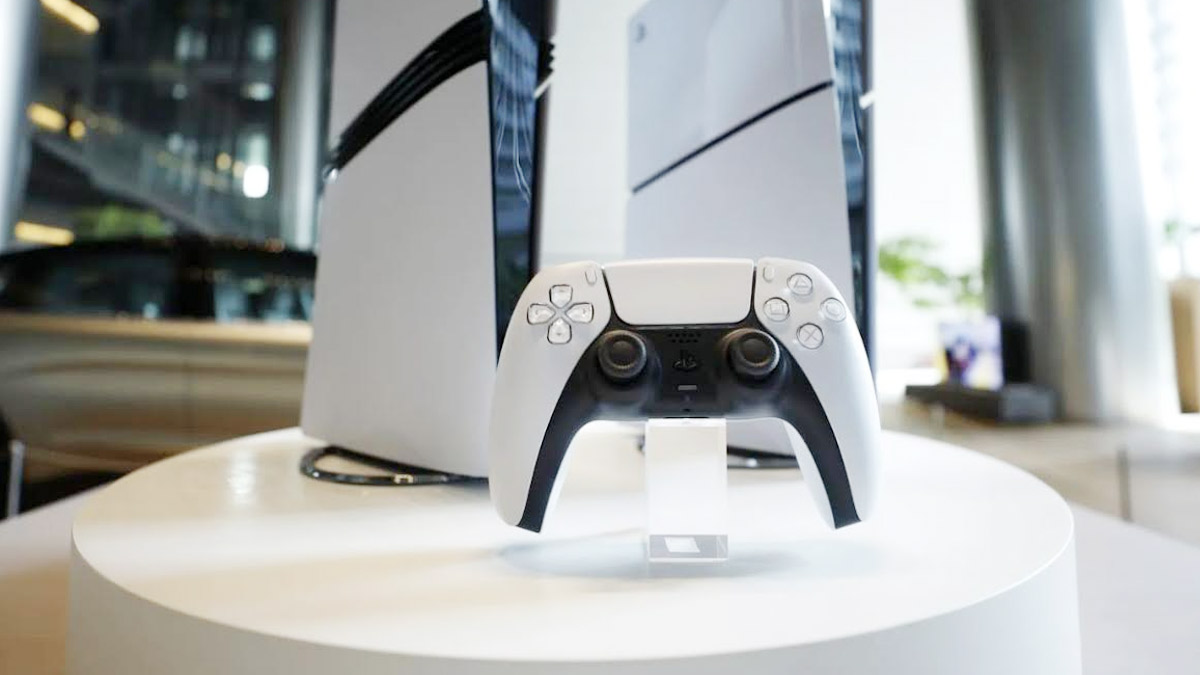
MUMBAI: Sony just hit the pause button on affordable gaming because when memory prices skyrocket, even the Playstation has to pay the premium. Sony has announced its second price increase for the Playstation 5 range in less than a year, citing pressures in the global economic landscape and a sharp rise in memory component costs driven by AI demand.
In the US, the PS5 disc edition will rise from $549.99 to $649.99, a $100 hike while the digital edition increases to $599.99. The more powerful PS5 Pro will jump $150 to $899.99. The Playstation Portal remote player will also rise by $50 to $249.99. The new prices take effect on 2 April 2026.
Similar increases have been applied in the UK (£90 per model), Europe and Japan. Sony last raised PS5 prices in the US in August 2025.
“We know that price changes impact our community, and after careful evaluation, we found this was a necessary step to ensure we can continue delivering innovative, high-quality gaming experiences to players worldwide,” Sony said in a blog post.
The hikes come amid an unprecedented surge in memory prices, as manufacturers prioritise supply for AI data centres. Analysts say Sony had likely secured price protections for components that have now expired, forcing the company to protect its hardware margins.
Ampere Analysis research director of games Piers Harding-Rolls told CNBC that further increases from Microsoft and Nintendo would not be surprising, though Nintendo may hesitate to raise the price of its recently launched Switch 2 while establishing the new platform.
The increases arrive eight months before the highly anticipated release of GTA 6, which is expected to drive strong console sales. However, early reactions online have been a mix of disappointment and resignation, with growing concern that premium gaming is increasingly becoming a hobby for higher-income players.
In a sector already grappling with tariffs, inflation and component shortages, Sony’s move underscores a tough reality: even the most popular consoles are not immune to the rising cost of keeping up with the latest technology.








