Hollywood
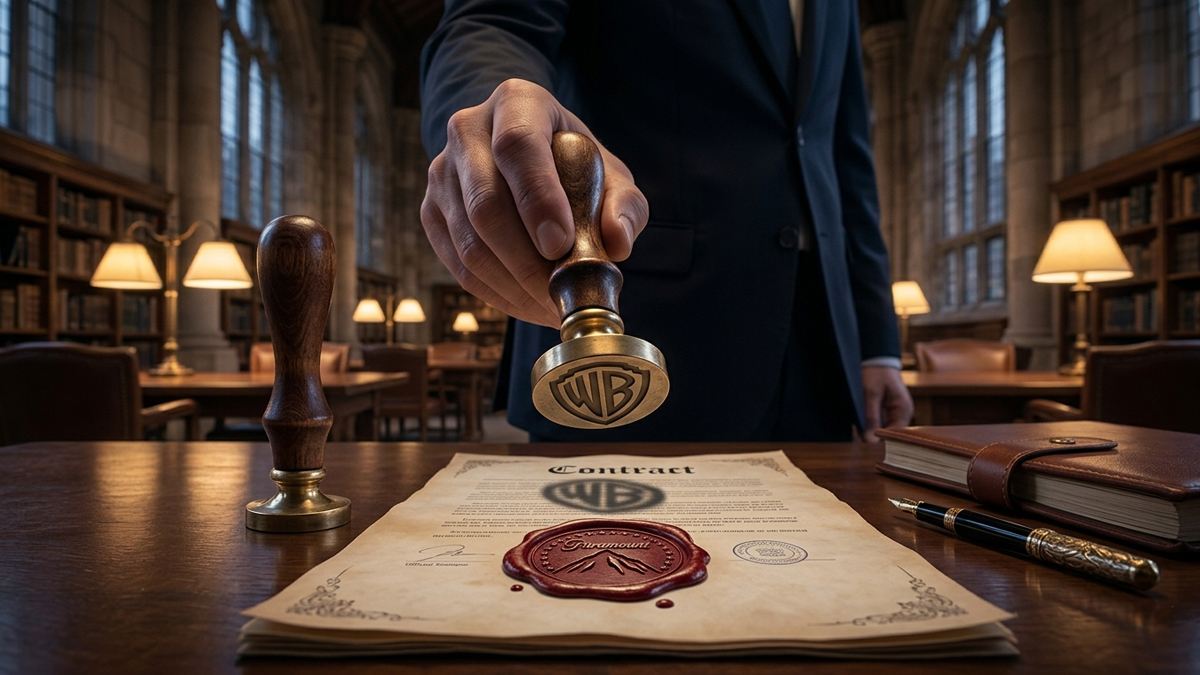
WBD sets April 23 vote on $110bn Paramount Skydance merger
Investor approval key step, but regulators loom over mega media deal
NEW YORK: Warner Bros. Discovery has set April 23 as the date for shareholders to vote on its proposed $110 billion merger with Paramount Skydance, marking a crucial step in one of the biggest media deals in recent years.
The all-cash transaction offers WBD shareholders $31 per share, a hefty 147 per cent premium to its unaffected stock price, signalling strong intent to push the deal across the finish line. The company’s board has unanimously backed the merger and is urging investors to vote in favour.
Even if shareholders give the green light, the deal is far from done. Regulators in the United States and Europe are expected to scrutinise the merger closely, weighing concerns around competition and potential price impacts for consumers.
To keep investors on side, WBD has built in a safety net. If the deal is not completed by September 30, shareholders will receive a quarterly “ticking fee” of $0.25 per share until closure.
The proposed merger would significantly reshape the media landscape, combining the assets of Warner Bros. Discovery with those linked to Paramount Global and Skydance Media. It would also cement the growing influence of David Ellison, who has been steering Skydance’s aggressive expansion strategy.
“The WBD Board has been guided by the singular principle of securing a transaction that maximises the value of our iconic assets and delivers as much certainty as possible to our shareholders,” said Warner Bros. Discovery board chair Samuel A. Di Piazza Jr.. “This historic transaction will expand consumer choice and create new opportunities for creative talent.”
Warner Bros. Discovery chief executive officer David Zaslav added that the company is working closely with its counterpart to close the deal and unlock value for stakeholders.
With investor backing likely but regulatory hurdles ahead, the proposed merger is shaping up to be a defining moment for the global entertainment industry, where scale, content and competition are increasingly intertwined.

Hollywood
Disney to cut 1,000 jobs in major restructuring drive
Layoffs span ESPN, studios and tech as company pivots to growth
MUMBAI: The magic isn’t disappearing but it is being reorganised. The Walt Disney Company has announced plans to cut around 1,000 jobs as part of a sweeping restructuring effort aimed at sharpening its edge in an increasingly unpredictable entertainment landscape. The move, led by CEO Josh D’Amaro, reflects a broader internal reset as the company rethinks how it operates, allocates resources and competes in a fast-evolving industry. In a memo to employees, D’Amaro acknowledged the difficulty of the decision but framed it as a necessary step to ensure Disney remains “efficient, innovative, and responsive” to rapid shifts in consumer behaviour and technology.
The layoffs will span multiple divisions, including marketing, film and television studios, ESPN, technology teams and corporate functions. Notifications have already begun, signalling that the restructuring is not a distant plan but an active transition underway.
Importantly, the company has clarified that the cuts are not performance-driven. Instead, they form part of a wider transformation strategy aimed at building a leaner, more agile organisation, one better equipped to respond to streaming dynamics, digital disruption and evolving audience expectations.
The timing is telling. The global entertainment industry is in the middle of a structural shift, with traditional television revenues under pressure and box office returns becoming increasingly volatile. Meanwhile, streaming platforms and digital-first competitors continue to redraw the rules of engagement, forcing legacy players to rethink scale, speed and storytelling formats.
For Disney, long synonymous with blockbuster franchises and timeless storytelling, the pivot is both strategic and symbolic. The company is doubling down on technology, direct-to-consumer services and content ecosystems that align with modern viewing habits, where audiences expect immediacy, personalisation and cross-platform experiences.
Even as the restructuring unfolds, D’Amaro struck a note of optimism, reiterating Disney’s commitment to creativity and long-term growth. Support measures for affected employees are expected as part of the transition, though details remain limited.
In essence, this is less about cutting back and more about reshaping forward. As Disney redraws its organisational map, the message is clear, in today’s entertainment world, even the most magical kingdoms must evolve or risk being left behind.