iWorld
Netflix aims at 50% original programming


MUMBAI: Challenge for few, exhilaration for many. Netflix CFO David Wells has shown a keen interest in expanding its library of original content. The streaming service is driving towards having half the content to be original production over the next five years. The rest will represent licensed TV shows and movies.
Wells said that they had been on a multiyear transition and evolution toward more of their owned content. Marking a shift in the balance between licensed and commissioned content, the service is already one-third to halfway towards reaching this target.
According to Wells, the goal for Netflix was to release something that appeals to each individual subscriber. On that front, they had got ways to go across different genres and formats. The nice thing about the platform was that it allows a lot of creative freedom, allowing for episodes of varying lengths.

It’s been three years since Netflix started making original programming with House of Cards, Daredevil and more recently Stranger Things. In the movie space, the service has Adam Sandler’s The Ridiculous 6.
Internationally, Netflix aims for about 80 per cent Hollywood content and 20 per cent local programming. Wells said that the exception was Japan, where Netflix bent more toward 50 per cent local content. About having an ad-supported model, Wells said that there was no such immediate plan.







iWorld
Akhil Gupta retires as Bharti Enterprises vice chairman after three decades
The man who outsourced Airtel’s network and built Indus Towers leaves behind a telecom industry transformed
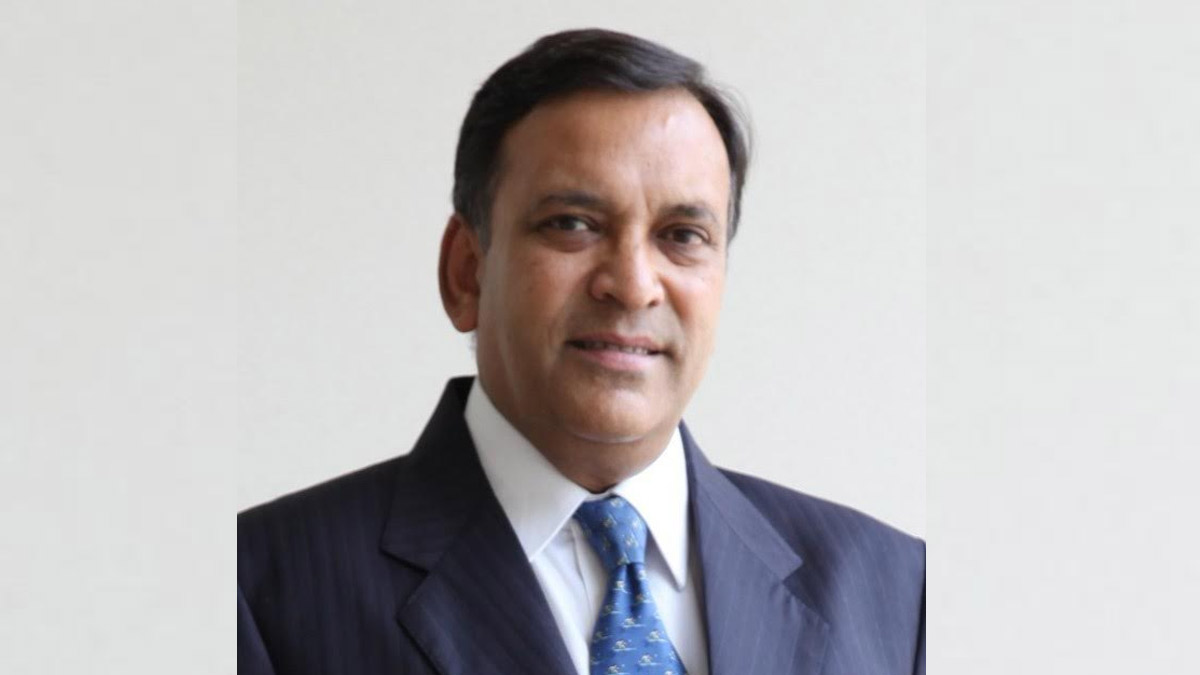
NEW DELHI: He was not the most visible face of Bharti. He was, by most accounts, the most consequential one. Akhil Gupta, known within the group simply as AKG, has retired as vice chairman of Bharti Enterprises with effect from March 31st, 2026, closing a chapter that stretched across more than three decades and reshaped Indian telecoms in ways still felt today.
Gupta was there at the beginning, part of the core leadership team that steered Bharti Airtel from a scrappy domestic operator into one of the world’s largest telecom and digital services companies. But it is two decisions in particular that cement his legacy. The first was persuading the industry that a telecom company need not own its own network. His outsourcing partnerships with IBM and Ericsson, considered eccentric at the time, stripped out capital costs and sharpened Airtel’s competitive edge. The model was subsequently copied across the global industry. The second was the creation of Indus Towers, now one of the largest tower companies in the world.
Both initiatives were studied as case material at Harvard Business School, where Gupta himself had studied. A chartered accountant by training and a dealmaker by instinct, he accumulated industry accolades across his career without ever particularly courting the limelight.
Bharti Enterprises, announcing the retirement on LinkedIn, credited Gupta with building the foundation of the group’s success and driving innovation, partnerships and long-term value creation.
The tributes are deserved. Gupta did not just help build Airtel. In many respects, he helped invent the playbook that modern telecoms runs on.






