News Broadcasting
NDTV’s dual-role strategy to double the ‘Profit’


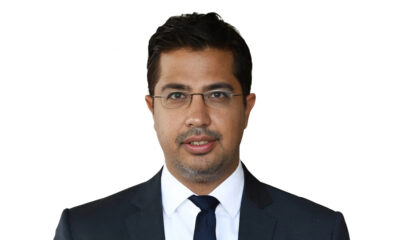
MUMBAI: Since last few years, the eight-year old business channel from the NDTV group, NDTV Profit grappled to make decent business. While the noise about it going under a revamp started mid-last year, it has come to shape now. From March 17, the biz channel will adopt a dual role – that of NDTV Profit during the market hours and NDTV Prime airing infotainment and lifestyle programmes post 5 pm. The logo will also change accordingly.
NDTV Group CEO Vikram Chandra while professing the loss that the group was incurring because of the channel, remarks, “For several years, the bulk of our losses were coming from Profit. In the last few months, Hindi channel has picked up well but the question was whether to sell, shut or restructure the business channel. We didn’t want either of the first two options. So we have innovated and adopted a cost rationalisation method, to be followed by the dual channel strategy.”

Now, everything seems to be falling in place for the channel as it has already managed 80 per cent sponsors for the year, while discussions to get more are on. According to sources some of the sponsors associated with the channel are Micromax, Chroma and MRF Tyres.
“It is not a secret that we don’t believe in television audience measurement (TAM) anymore. We have adopted a sponsorship approach across the network with an idea to get sponsors interested in the programmes before they even go on air,” says Chandra.
The time slots for different programmes have been decided. Education shows would be aired between 6:30 to 7 pm; 7 to 8 pm is for real estate and property; tech and auto programmes will be telecast from 8 to 9 pm; while 9 to 11 pm has been kept for entertainment shows, the details of wish Chandra doesn’t wish to disclose at the time being.
The shows have been produced in-house as well as outsourced. Weekends will have repeat telecast of weekday shows for the first few months. Not sounding too boastful, Chandra remarks, “We are looking to double the ad revenue once Prime begins because this is going to be an exciting channel.”
The annual loss of the channel has come down from Rs 40 crore to Rs 19 crore. “The benefits of cost rationalisation in NDTV Profit will be seen now. Two-three years ago we were losing about Rs 3 crore a month which has now come down to about Rs 1.5 crore a month even with the Prime incubation costs. Once NDTV Prime goes on air, we are confident that every band on the channel will be individually profitable,” he optimistically remarks.
As India enters its last phases of digitisation, Profit/Prime sees itself benefitting. “With digitization, appointment viewing has gone up. Before this, viewers would flip through several channels but now they like to remember fixed times. We will now have fixed bands for tech and auto in which we are market leaders, together with bands for entertainment and property,” adds Chandra.
Another cost-cutting measure taken by the channel has been by shifting its main office from Mumbai to Delhi where besides sharing space, equipments could be shared with others too.
With little over a month left for the revamp, announcement will begin this week. Only time will tell how the arrangement works!






News Broadcasting
News18 India launches Command Centre war explainer with Arya
New show shifts from debates to decoding global conflicts and impacts
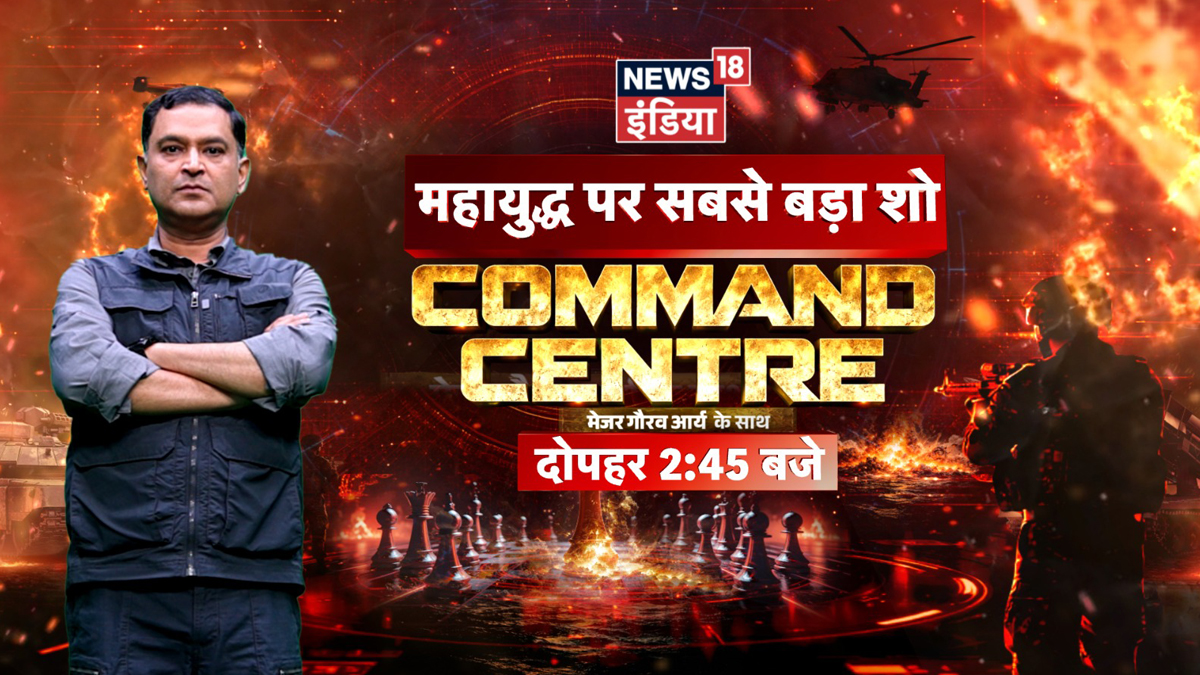
MUMBAI: News18 India has rolled out a new war-focused programme, Command Centre, featuring Gaurav Arya, as it looks to offer viewers a sharper, more grounded take on global conflicts amid rising tensions in West Asia.
Positioned as an “insider war room”, the show moves away from conventional panel debates and instead focuses on explaining military developments, decoding strategy and connecting global events to their everyday impact, from fuel prices to economic shifts.
The format leans heavily on visuals and data. The studio has been designed like a command hub, complete with large LED war maps, real-time graphics and an alert system to track developments as they unfold.
At the centre of it all is Arya, who brings his military background to simplify complex war strategies for viewers. His signature line, “Seedhi baat samjhiye”, anchors the show’s promise of clarity over noise.
News18 India managing editor Jyoti Kamal said, “Command Centre, featuring Major Gaurav Arya is designed to deliver accurate insights and a clear perspective on how evolving conflicts impact everyday life, from household budgets to national security. With expert voices analysing every development in real time, the show goes beyond headlines to decode what’s happening now, what it means, and what could come next.”
Echoing the intent, Gaurav Arya added, “In times of war, confusion is the biggest threat. With News18 India’s Command Centre, we are bringing viewers inside the war room, decoding strategies, tracking every escalation, and explaining, in the simplest terms, what it means for India and for every household. Seedhi baat samjhiye, this is where you understand not just what is happening, but what happens next.”
The weekday show will air in the afternoon slot and will also feature Gaurav Shukla, adding to its editorial depth.
With its mix of analysis, visuals and a clear focus on impact, the show reflects a broader shift in news consumption. Viewers are no longer just watching events unfold, they are looking to understand what those events mean for them.






