Cable TV
Myriad channel universe will require content delivery to many touch points


MUMBAI: Imagine a digital world where new broadband networks scale up the present 500 channel universe to one that is 500,000 or even five million strong.
An indication of the sheer breadth of possibilities (some would say frightening) that the brave new digital future is throwing up for those in the broadcasting business.
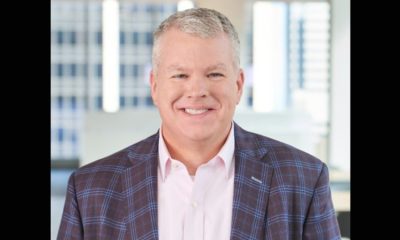
It was a point that was expanded on by Turner International Asia Pacific president Stephen Marcopoto, in one of today’s plenary sessions – Digital Entertainment living.
Said Marcopoto, “In order to reach this new consumer model we need to produce and deliver content to as many of these gadgets and technological touch points as possible. More than 30 million hours of TV are produced each year but we face the end of appointment viewing as scheduled broadcast channels and distribution are displaced by a choice of millions of download and on-demand programs. The pressure on content providers to innovate is therefore greater than ever as consumption moves from passive viewing by a large mass audience to the active engagement of individual consumers.”
One of the biggest challenges could be on advertising models, Marcopoto said. “In the world of mobisodes and iPod downloads, the revenue models risk being turned upside down. The argument to advertisers is that these ‘third screen’ platforms reach people who would not normally have watched the show on air in the first place, so the advertisers don’t lose consumption. But in reality it’s way too soon to know the true impact of this technology on revenue streams and distribution. The hope is that through making popular shows convenient and available at a fair price, content owners should be able to avoid the savagery the music industry suffered.”
The next huge challenge the industry faces is in the changing economics of rights ownership. Marcopoto stressed the “absolutely fundamental need that digital rights management (DRM) is enforced. “We know the case for DRM – without a strong system in place to ensure only paying consumers can access media, piracy will continue to run rampant and cut drastically into profits for producers and distributors. And, with declining sales, creative input will also drop and the overall quality of media produce risks decline. But potential solutions are out there and closed network providers like Kontiki have developed deals with players like AOL to deliver DRM protected content efficiently, with no more risk to piracy than a normal download,” he opined.
Marcopoto finished his presentation with a quote from Mark Pesce, the head of Future STR, a consultancy based in Sydney. “The ‘Three Fs’ of finding, filtering and forwarding (content)—scaled up to the swarm of a billion internet users, describe the network media world. How the media industries of the present day—predicated on mass communication to mass audiences—negotiate the transition into a world of microaudiences, each fiercely guarded by an army of ever-vigilant nanoexperts, remains an open question.”