iWorld
MPA’s AVB 2026: Streaming, social video and CTV drive Asia-Pacific video revenue growth

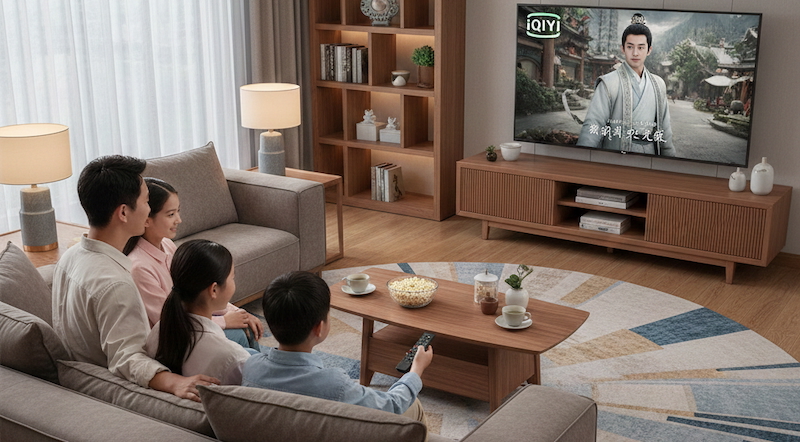
SINGAPORE: Forget the remote control. Asia-Pacific’s couch potatoes are voting with their thumbs — and the verdict is brutal for old-school television. Media Partners Asia’s annual assessment of the region’s video industry – the Asia-Pacific Video & Broadband 2026 (AVB 2026) report – reveals that between now and 2030, streaming and social video will hoover up nearly $24 billion in new revenue while traditional television haemorrhages $8 billion. Call it creative destruction, Pacific style.
The numbers tell a tale of two screens. Premium video-on-demand—the Netflixes and Disney+s of the world, plus ad-supported alternatives—will balloon by $12.5 billion to hit $52 billion by decade’s end. User-generated and social video, led by YouTube and ByteDance’s TikTok and Douyin empire, will pocket another $11.4 billion to reach $44.5 billion. That makes creator-led platforms the single fattest cash cow in the region’s screen economy. Linear television, meanwhile, continues its slow-motion car crash.
“Value is shifting decisively toward streaming, social platforms and CTV-led monetisation,” says Media Partners Asia chief executive Vivek Couto with admirable understatement. Winners, he reckons, won’t just pile up eyeballs. They’ll need to monetise “premium experiences”—think sports, high-quality local programming, and the surprise hit of micro-dramas—whilst deploying AI to squeeze costs across the content chain.


The Asia-Pacific screen industry will expand at 2.8 per cent annually through 2030, topping $196 billion. But here’s the kicker: every dollar of net growth comes from online video, which charges ahead at seven per cent a year. Traditional television? It’s running backwards.
India is staging a particularly dramatic coup. By 2030 it will overtake China as the region’s subscription king, boasting 358 milion individual subscriptions. Yet India’s total premium video revenue—subscriptions plus advertising—will still be 4.5 times smaller than China’s and 2.5 times smaller than Japan’s. Volume, it seems, doesn’t always mean value.
The big are getting bigger, too. The top 15 online video platforms gobbled up 58 per cent of total online video revenues in 2025. YouTube, ByteDance, Netflix and national champions like JioHotstar and U-NEXT are pulling away from the pack. China, Japan and India—the region’s three heavyweights—account for nearly 70 per cent of traditional television’s decline.
Connected television is the new battleground, turning living rooms into digital billboards. As CTV inventory expands, it’s pulling advertising dollars away from linear broadcasts and into algorithmic targeting. The future of video, it turns out, looks a lot like the internet: fragmented, data-driven and utterly ruthless.
Traditional broadcasters can read the writing on the wall—or rather, on the second screen propped next to the television set. The era of appointment viewing is toast. The streaming wars have come to Asia, and they’re not taking prisoners.






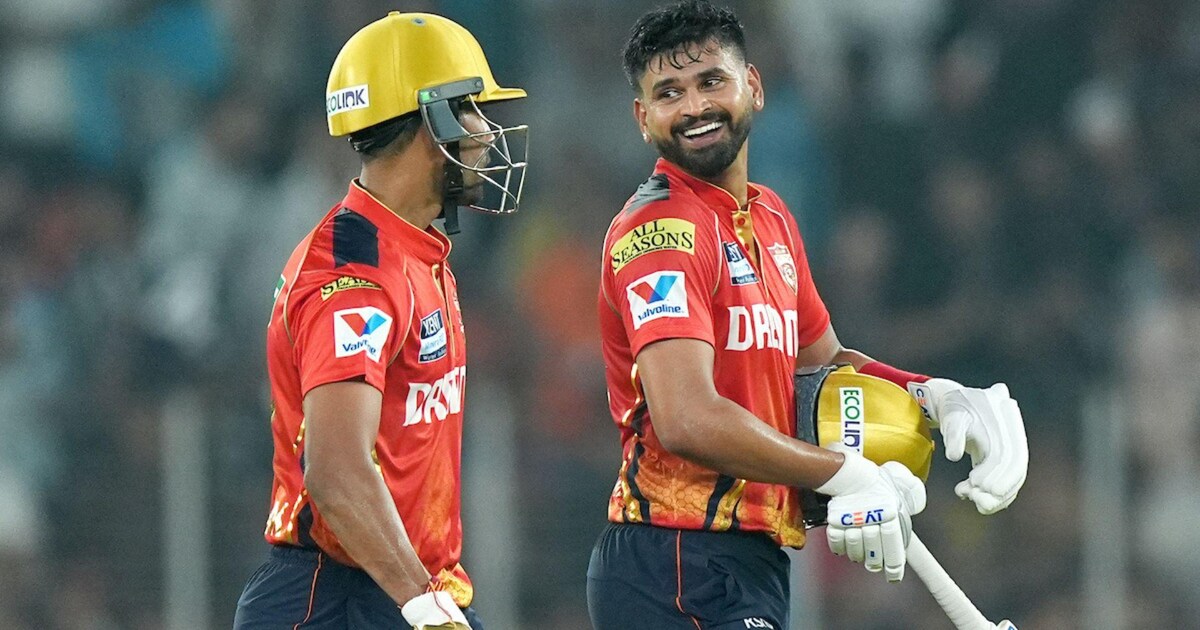
MUMBAI: If cricket were a binge-worthy series, this one just dropped its most explosive pilot yet. The opening weekend of the 2026 edition of the Indian Premier League has come out swinging, smashing records across both television and digital platforms and reaffirming the tournament’s unmatched pull in India’s sporting and media landscape.
Backed by two high-octane matches featuring 200-plus run chases, the tournament delivered a combined reach of over 515 million viewers across linear TV and digital platforms via JioStar’s broadcast ecosystem, including Star Sports and JioHotstar. More tellingly, engagement surged alongside reach, with total watch-time hitting 32.6 billion minutes, a sharp 26 per cent jump over the opening weekend of the previous season.
The numbers reveal a deeper shift in how India watches cricket. Connected TV (CTV) consumption rose by 30 per cent, while peak concurrency on digital platforms jumped 61 per cent, signalling a growing appetite for shared, big-screen streaming experiences. On traditional television, the momentum held strong, with TV ratings (TVR) climbing 24 per cent compared to earlier seasons’ opening matches.
A key driver of this spike has been the evolution of the viewing experience itself. This season introduced differentiated feeds, most notably a Hindi CTV broadcast featuring cricketing voices such as Ravichandran Ashwin, Suresh Raina, Harbhajan Singh, Virender Sehwag and Irfan Pathan. Blending expert analysis with a watch-along format, the feed has added a conversational, almost second-screen feel without requiring viewers to leave their screens.
According to JioStar CEO for Sports Ishan Chatterjee, at the opening weekend underscores not just scale but also the depth of engagement that live cricket continues to command. He noted that the combination of large-screen viewing and digital interactivity is creating a more immersive and personalised experience, while also delivering tangible outcomes for brand partners.
From the league’s perspective, the early numbers point to a tournament that continues to reinvent itself. Arun Singh Dhumal, Chairman of the IPL, said the strong start reflects how high-quality cricket paired with enhanced viewing formats is resonating with audiences nationwide, while Board of Control for Cricket in India secretary Devajit Saikia highlighted the “quality of engagement” as a key takeaway, not just the scale.
Commercially too, the opening weekend signals robust advertiser confidence. The broadcast is led by co-presenting sponsors including Google (Search AI Mode), Campa Energy, and Havells & Lloyd, alongside co-powered partners such as Birla Opus, Hero Motocorp and Amazon. A long tail of associate sponsors from OpenAI and Asian Paints to Flipkart and Amul further reflects the league’s unmatched ability to aggregate advertiser interest at scale.
Taken together, the opening weekend numbers are less a spike and more a statement. With 515 million viewers, 32.6 billion minutes of watch-time, and double-digit growth across formats, IPL 2026 has not just started strong, it has set the tone for a season that looks poised to push the boundaries of both sport and spectacle.






