News Broadcasting
MK Anand asserts that advertisers are reposing faith in news channels

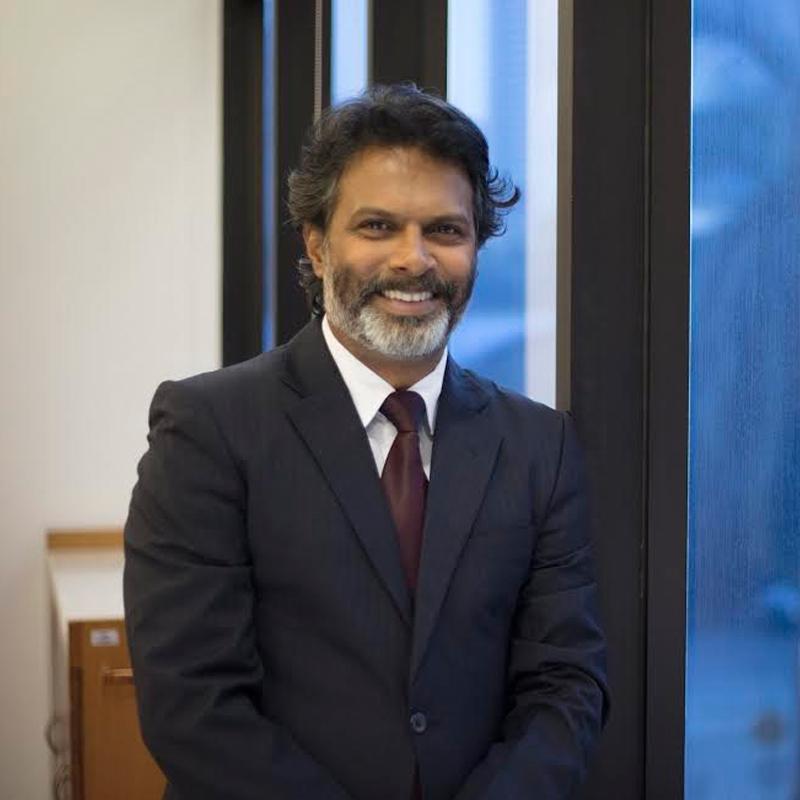
NEW DELHI: Times Network MD and CEO M K Anand believes the TRP scandal couldn’t have come at a better time. In a virtual fireside chat with indiantelevision.com’s founder, CEO, and editor-in-chief Anil Wanvari during the NT Awards 2020 Summit powered by TVU Networks, Anand said the incident has given the TV news industry a time to pause to step back and evaluate itself. And the events that followed in light of the probe have presented a great opportunity for the entire system to put its house in order.
“From what I’ve seen in the last four years, fixing the back-end of the measurement mechanism is required. BARC CEO Sunil Lulla has been trying to bring a lot of sense to the process.He has been continuously improving it. But whether it is inside BARC or outside, there are people who break ranks and resort to corrupt means. We have seen them use shortcuts to get to the numbers and that is not acceptable,” he said.
Anand stressed the need to have legal remedies to deal with instances of tampering or malpractice. The Mumbai police’s investigation and action against those caught in the TRP racket was an unprecedented move, which should serve as a deterrent to wrongdoers."It is now a criminal offence to tamper with the ratings," he said. "In several instances in the past, when we wanted to register a complaint with the police, it was not possible. Hence it is good that it was registered as a police complaint for whatever reason."

But if we were to dive deeper, what precipitated this problem in the first place?
Gamification, coupled with a flux in the market, are major factors that contributed to the "TRP race," said Anand.
"A brand is built over a period of time with activities, groundwork, standing up for causes. But new players don't have the luxury of quarters and years that established brands – like Times Now or Aaj Tak – have. They try to break into the noticeable set by getting the numbers. It’s easier to use numbers to make the argument that they’re as good," he explained.
Read more news on Times Network
The current break in measuring TRPs for news channels, while a welcome decision by BARC, is not on account of content quality, claimed Anand. “Had the TRP scam not been unearthed, there wouldn’t have been a break. I wouldn’t connect the two. A player like us hasn’t been besotted with ratings from a time spent viewing (TSV) point of view.”
He illustrated how, when the network lost its “prime asset” in 2016-17, that being the News Hour host Arnab Goswami, it dealt with that huge loss and managed to reach its current position in the market.
“We have never, ever been time-spent focused, we have always gone the 'reach' route. We are content-focused and responsible to the viewers,” he added.
Consequently, Times Now has not peddled the kind of lower end content that the industry, in general, is currently being ridiculed for, Anand stated. However, he went on to assert, it’s not fair to tar all journalists and reporters with the same brush, and social media is responsible for propagating this herd mentality.
“Technology-empowered idiots are now dissing the experts in all fields. Same applies to journalism. People are coming onto social media with half-baked views and opinions and making the journalists out to be idiots. They get trolled by idiots sitting in an echo chamber – because that’s what social media is,” he said.
But journalists should take heart. Smart reporters shouldn’t get directed by social media, they should just do what they’re good at, not pay attention to the noise, and they will enjoy the work, directed Anand.
He pointed out that October advertising revenue numbers for his news channels and for those his industry colleagues are running are bouncing back. This despite the fact that the ratings are not being dished out. "Year to year the numbers are up clearly showing advertisers are reposing their faith in the category of news channels."





News Broadcasting
CNN-News18 to host Fury in the Gulf conclave on West Asia crisis
Three-hour summit to unpack geopolitical fallout and impact on India
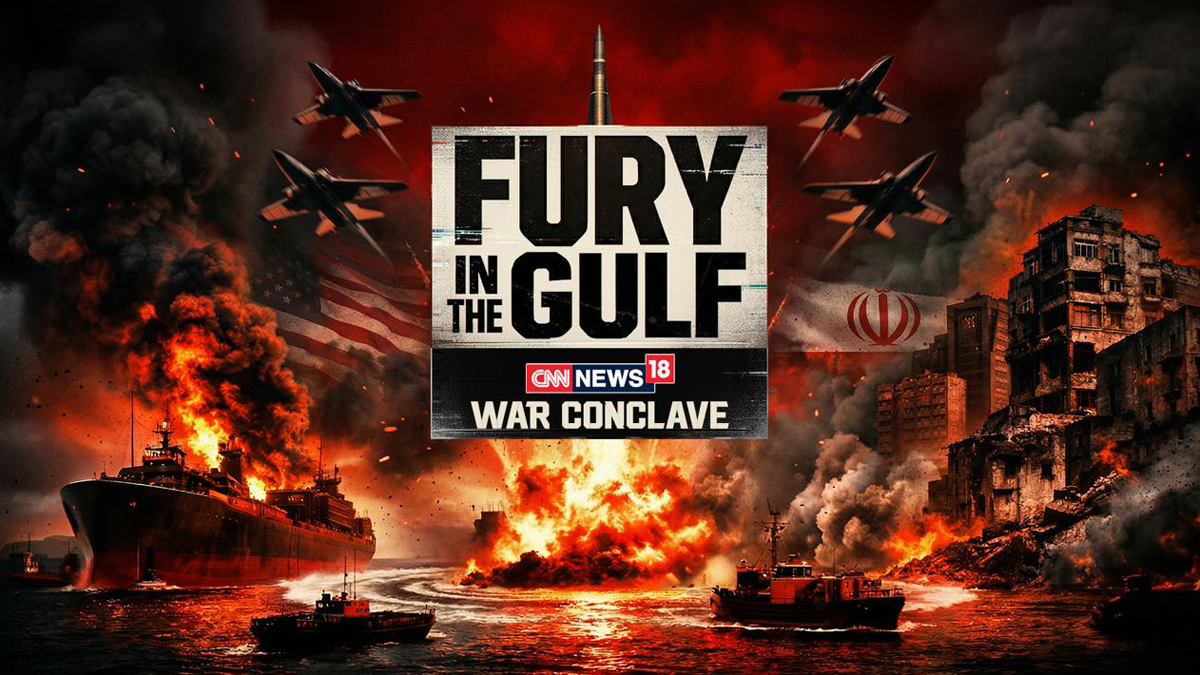
MUMBAI: CNN-News18 is set to host a special three-hour broadcast, Fury in the Gulf – War Conclave, on April 7, aiming to decode the escalating West Asia crisis and its far-reaching implications for India.
Scheduled from 4:00 PM to 7:00 PM, the conclave comes at a time when tensions between Iran and the United States are reshaping global geopolitics and triggering economic uncertainty. With India’s deep energy ties, trade links and large diaspora in the Gulf, the developments carry significant domestic relevance.
Built around the theme ‘Conflict, Consequences, and The Future,’ the programme will feature six curated sessions combining one-on-one interviews and panel discussions. The focus is to cut through the clutter and offer viewers a clearer understanding of the fast-evolving situation.
Key sessions include ‘Diplomacy in Times of War’ featuring Shashi Tharoor, and ‘World After the Iran Conflict’ with voices such as Ram Madhav, Reuven Azar, representatives from the European Union and the Iranian Deputy Envoy. Another session titled ‘Another Dunkirk?’ will bring together K. J. S. Dhillon and Jitin Prasada among others.
CNN-News18 editorial affairs director Rahul Shivshankar said, “In times of war, clarity becomes the most powerful tool. Fury in the Gulf – War Conclave brings together credible voices to address the questions and confusion that arise amid an overwhelming influx of information.”
He added that the initiative is aimed at delivering “facts, perspective, and insight” at a time when misinformation can easily cloud public understanding.
Echoing the sentiment, CNN-News18 CEO– English and business news Smriti Mehra said the conflict marks a defining global moment, with consequences that extend well beyond the region. She noted that the conclave seeks to present the crisis with “depth, nuance and responsibility” so audiences can better grasp its real-world impact.
As geopolitical tensions continue to dominate headlines, the conclave positions itself as an attempt to bring order to the noise, offering viewers a structured, insight-led look at a complex and rapidly shifting global situation.






