I&B Ministry
MIB calls for battle plan against digital pirates


NEW DELHI: India’s information and broadcasting ministry (MIB) has thrown open the floor to industry heavyweights, demanding fresh ammunition in the war against digital piracy. The call comes as film studios, streaming giants and broadcasters nurse mounting losses from rampant content theft.
Kshitij Aggarwal, deputy director for digital media, issued the public notice on 7 November, giving stakeholders just 20 days to fire off their grievances and game plans. The ministry wants the lot: technological fixes, enforcement strategies, global best practices that might work in India’s chaotic digital bazaar.
The targets are clear. Film piracy bleeds the industry dry. Illegal streaming sites mock OTT platforms. Bootleg broadcasts undercut television channels. The ministry reckons a comprehensive overhaul is overdue, one that ropes in everyone from telecom providers to intermediary platforms.

Four questions frame the consultation. What makes pirated content so devilishly hard to spot and kill? Where do enforcement mechanisms spring leaks? Which international tactics deserve a Mumbai makeover? And how can platforms, government agencies and rights holders stop tripping over each other?
Responses should land at digital-mediamib@gov.in before the deadline expires. Whether the ministry’s inbox fills with revolutionary ideas or tired platitudes will determine if India finally gets serious about protecting its content creators—or if the pirates keep plundering with impunity.




I&B Ministry
India moves closer to age restrictions on social media
Government weighs options from under-13 ban to graded access amid rising safety concerns.
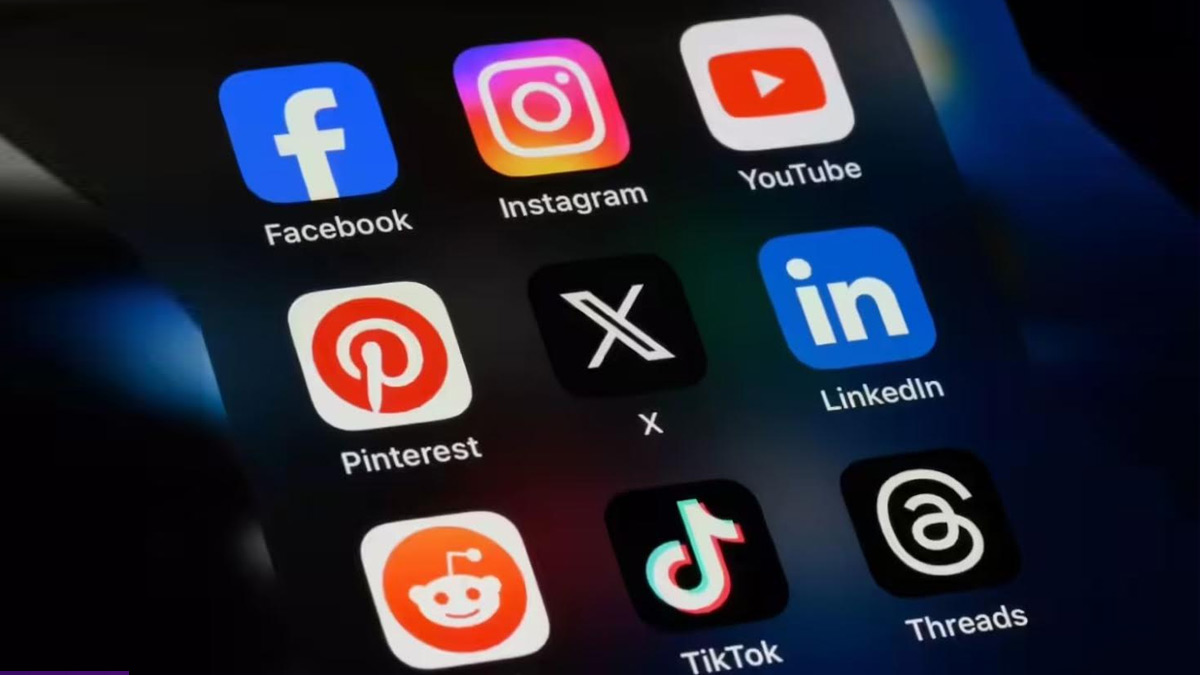
MUMBAI: The Indian government is finally ready to draw a line in the scroll because when children are spending more time on screens than in playgrounds, even policymakers have to hit pause. The Ministry of Electronics and Information Technology (MeitY) has held multiple rounds of discussions with social media platforms and industry stakeholders to explore whether companies can technically enforce age-based access controls. Currently, India has no uniform mechanism to restrict social media usage by age.
The issue has gained momentum at both state and national levels. Karnataka and Andhra Pradesh have already signalled intent to introduce restrictions, with more states expected to follow. Internationally, Australia has banned access for users under 16, while similar measures are under consideration in parts of Europe and the US.
Officials indicated that broader political consensus is being sought before any nationwide decision. Policymakers are evaluating options ranging from a complete ban for younger users to a graded system allowing limited, age-appropriate access on platforms such as Youtube and Meta.
A key point of debate is the age threshold whether restrictions should apply below 13 (in line with several global norms) or extend to 16. The discussion has been intensified by concerns raised by the National Human Rights Commission about children’s exposure to harmful content, misinformation, cyberbullying, fraud and digital addiction.
Industry voices have cautioned against an outright ban, arguing it could push younger users towards unregulated or illicit spaces, making enforcement even harder. The government is studying global regulatory approaches and their outcomes, while the Economic Survey earlier this year recommended age-based controls and stronger platform accountability.
With consultations ongoing and multiple stakeholders involved, the framework is still evolving, but momentum is clearly building toward some form of regulation. Any decision will have significant implications for social media companies operating in India, given the country’s large and young user base.
In a nation where children are growing up with smartphones in hand, the Centre is preparing to decide how early they should be allowed to scroll striking a delicate balance between protection and freedom in the world’s largest digital playground.








