iWorld
LG research: viewers keen to spend and shop through the connected TV screen

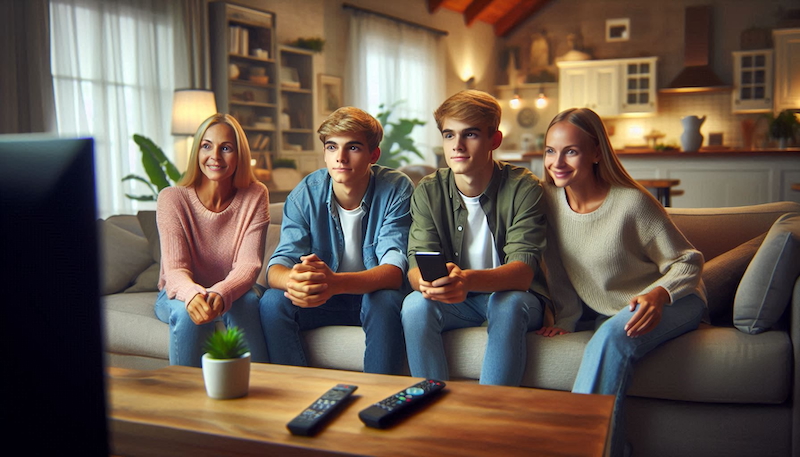
MUMBAI: The humble television has evolved from mere entertainment box to potential shopping portal, as new research from LG Ad Solutions reveals viewers are itching to flex their purchasing power from the comfort of their sofas. A whopping 62 per cent of connected TV viewers fancy interactive advertisements, with 56 per cent wishing they could splash cash directly through it.
The February 2025 survey of 1,210 American screen-gazers paints a picture of consumers increasingly susceptible to what flickers before their eyes. Among connected TV viewers, an impressive 79 per cent admit to being influenced by adverts in their shopping decisions, while 63 per cent regularly discover new brands through the box. Nearly half have actually followed through with a purchase after seeing a TVC in the past quarter.
“The days when people merely absorbed adverts passively are gone with the wind,” says a marketing guru. “Today’s viewers reach for their wallets almost as quickly as they reach for the remote—particularly when offered a discount.”

LG television owners appear especially vulnerable to advertising’s siren call, showing influence rates a stunning 28 per cent higher than their counterparts. These same viewers are 20 per cent more likely to wish they could shop through their screens—statistics guaranteed to make marketing directors drool into their expense accounts.
When it comes to actually parting with cash after seeing an advert, mobile phones remain the weapon of choice, with 60 per cent of viewers grabbing their handsets to complete purchases. Laptops and in-store visits follow at 41 per cent and 35 per cent respectively. Connected TVs themselves account for 22 per cent of purchases—a figure that jumps by 20 per cent among LG TV owners specifically.
Perhaps unsurprisingly, 71 per cent of connected TV viewers confess to keeping their mobiles within arm’s reach whilst watching—creating what industry types call a “second-screen opportunity” and what everyone else calls “modern life.”
The research also reveals surging interest in free ad-supported television (FAST) services, with 77 per cent of connected TV users regularly tuning into these platforms. LG’s own service—rather blandly christened “LG Channels”—now offers over 350 live channels and 7,000 on-demand options for the discerning viewer who prefers not to pay.
With nine in 10 consumers in the US now using an internet-connected TV and 60 per cent preferring free streaming with adverts, Fast platforms have become fertile ground for shoppable innovation. Regular Fast users show 12 per cent higher purchase rates after viewing adverts than the general population.
The report reveals multiple methods viewers are open to using for purchasing through their televisions:
* 70 per cent fancy saving products to a wish list directly on the TV
* 67 per cent would send a text for more information or discount codes
* 62 per cent are willing to scan QR codes to checkout on mobile devices
* 62 per cent would use voice commands to add items to their cart
* 60 per cent would save shipping/payment details for quick checkout on the TV
* 54 per cent are open to an AI assistant contacting them via email, text or social media
Younger viewers aged 18-34 show particular enthusiasm, with 21 per cent higher interest in interactive TV adverts than the general population.
For brands looking to capitalize on this trend, the report suggests a three-pronged approach: test creative variations, leverage Fast platforms, and utilize custom landing pages for a seamless shopping experience.
When it comes to persuading viewers to part with their cash, discounts and promotions prove most effective, with 57 per cent of viewers citing offers as their primary purchase driver. Product features (42 per cent) and attractive visuals (32 per cent) also factor into purchasing decisions, while one in four viewers are influenced by the ability to click through to learn more.
The creative elements of adverts significantly impact engagement levels:
* Time-sensitive offers showed a staggering 12.4x higher purchase intent
* Click-to-landing page functionality delivered 8.1x higher purchase intent
* Special offers generated 5.6x higher purchase intent
* Concise messaging resulted in 5x higher brand consideration
* Clear calls-to-action produced 4x higher brand consideration
* Dynamic creative animation yielded 2x higher purchase intent
A case study highlighted in the report showed a major quick service restaurant chain achieving 2.5x more QR code scans and 10 per cent lower cost per reach by following these best practices during a 24-day holiday campaign.
The report offers tailored advice for different retail categories based on analysis of TV advertising patterns throughout 2024:
* Clothing and apparel brands should increase connected TV spending during peak periods (Q2 and Q4) to counter higher traditional TV spending from competitors
* Electronics brands should maintain consistent connected TV spending throughout the year, with increased investment during holiday and post-holiday periods
* Grocery and consumer packaged goods companies should maintain steady levels all year, with some increase during summer months
* Appliance brands should boost connected TV presence during summer to compete for share of voice ahead of Labour Day sales
* Restaurant brands should increase spending towards the end of each month and create special offers to drive engagement
As one retail executive put it: “The living room is becoming the new shopping centre, and the remote control is the new credit card.”
For those concerned about a dystopian future where white goods join the sales pitch, prepare yourselves—14 per cent of consumers expressed interest in shopping through their refrigerator, while 10 per cent fancy making purchases via their car dashboard or washing machine. One wonders if one day the toilet might suggest a particular brand of paper.
LG Ad Solutions recommends advertisers implement the following strategy:
1. Test various creative variations and calls-to-action for optimal results
2. Leverage connected TV native ads and custom landing pages for immersive experiences
3. Capitalise on the shift to free ad-supported streaming services to find new audiences
The message for retailers is crystal clear: American armchair shoppers are poised with their plastic—and all they need is the right button to press.
Are there any lessons in this for Indian advertisers and for Indian platforms?
Indeed.
Most Indian connected TV owners are international travelers who have been exposed to Fast channels during their travels, but have been loathe to reach for the purchase button because fulfilment can take longer in markets like the US than in India where goods can be delivered in 10 minutes. By consistently following some of these best practices and adapting them to Indian nuances, advertisers on connected TVs can get a better bang for their buck.





iWorld
Samay Raina returns with Still Alive, confronts 2025 controversy in bold comeback special
Comeback set tackles controversy, blending humour with raw storytelling
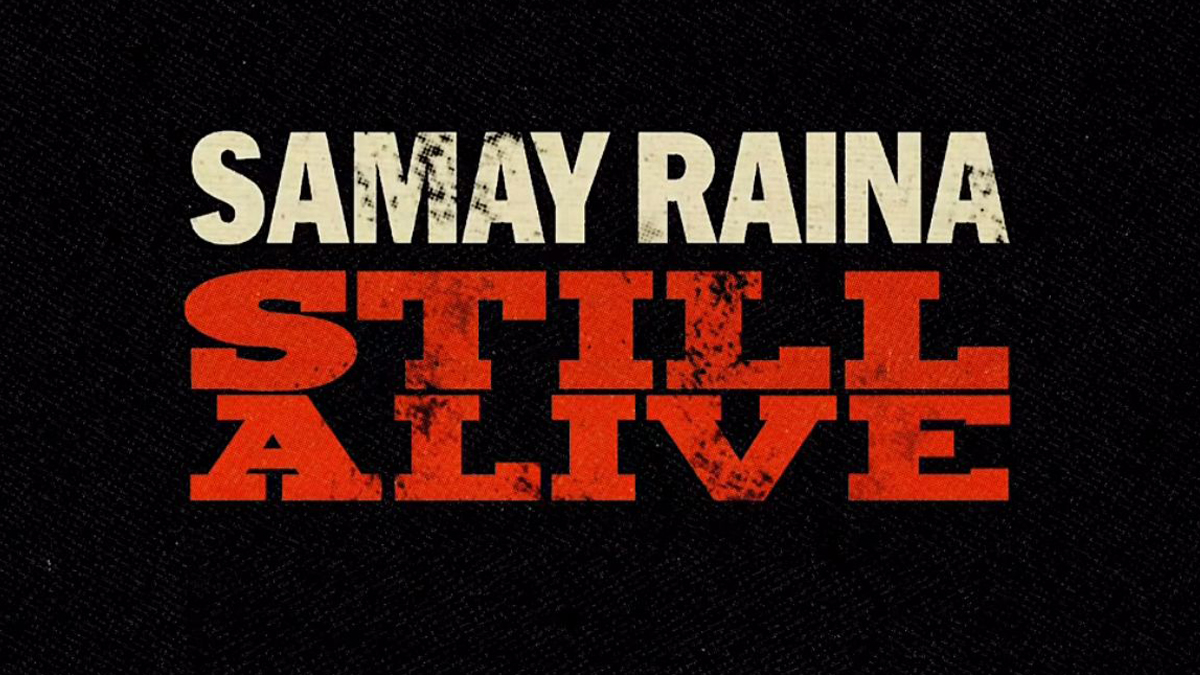
MUMBAI: Samay Raina is set to release his new stand-up comedy special, Still Alive, on YouTube on April 7, 2026, marking a high-profile return following a turbulent year.
The trailer for the special dropped on April 5, offering a glimpse into what Raina describes as a raw and unfiltered set that leans as much on honesty as it does on humour.
Positioned as a comeback of sorts, Still Alive draws heavily from the controversy surrounding his show India’s Got Latent in early 2025. The episode led to legal trouble, multiple FIRs, and a lengthy six-hour interrogation by the Maharashtra Cyber Cell, placing the comedian at the centre of intense public scrutiny.
Rather than sidestep the episode, Raina leans into it. The special reflects on the fallout and his personal journey through it, blending observational comedy with moments of emotional candour. Early audience feedback from live performances suggests the tone is less about rapid-fire punchlines and more about storytelling with bite.
The special was filmed during his global Still Alive & Unfiltered tour, which ran from August 2025 to early 2026. The tour saw Raina perform across major international venues, including the Madison Square Garden Theatre in New York, a milestone that places him among the youngest Indian comedians to take that stage.
The title itself signals resilience. “Still Alive” is a nod to navigating both legal and public backlash while choosing to remain unapologetically authentic, a theme that appears to anchor the set.
With the special set to premiere online, all eyes are now on how audiences respond to a performance that promises equal parts reflection and wit. For Raina, the message is clear. He is not just back, he is ready to be heard on his own terms.






