iWorld
Leading OTT players agree to universal self-regulation code


KOLKATA: The Internet and Mobile Association of India (IAMAI) has unveiled the Universal Self-Regulation Code for OCCPs (“Code”). The code has been adopted by 15 leading Online Curated Content Providers in India. The present set of signatories include Zee5, Viacom 18, Disney+Hotstar, Amazon Prime Video, Netflix, MX Player, Jio Cinema, Eros Now, Alt Balaji, Arre, HoiChoi, Hungama, Shemaroo, Discovery Plus, Flickstree.
The goal of this industry-wide effort is to empower consumers with information and tools to assist them in making informed choice with regard to viewing decisions for them and their families, while at the same time, nurturing creativity and providing creators the freedom to tell the finest stories. By aiming to do what is best for both consumers and creators as guiding principles, the Code intends for India to be one of the most dynamic and fastest-growing entertainment industries in the world.
To give consumers more choice and control, the Universal Self-Regulation Code includes a framework for age classification and content descriptions for titles as well as access control tools. The code also introduces a clear, transparent and structured grievance redressal and escalation mechanism for reporting non-compliance with the prescribed guidelines. As a part of this mechanism, each OCCP will set-up a consumer complaint department and/or an internal committee as well as advisory panel which will deal with complaints, appeals and escalations. The advisory panel will constitute a minimum of three members, including an independent external advisor and two senior executives of the respective OCCP.

IAMAI digital entertainment committee chairman Tarun Katial said, “The Universal Self-Regulation Code for OCCPs is built around a shared belief that consumer empowerment and creative excellence are key to the long-term success of the Indian entertainment industry. With the framework for age classification, content descriptions and parental controls in combination with a grievance redressal system, we’ve made it easier for consumers to make the right viewing decisions for themselves and their families.”
“The combination of empowering consumers and enabling creative excellence will help Online Curated Content Providers be at the forefront of taking the best stories from India to the world and bringing the finest stories from around the world to Indian consumers. Most of the major streaming services have adopted the Code and we look forward to others joining.” he added.
The code is effective from 15 August and allows OCCPs to comply with all the guidelines in a timebound manner. Each signatory to the code has agreed to appoint an external advisor as part of the grievance redressal mechanism within 60 days from today.







iWorld
Akhil Gupta retires as Bharti Enterprises vice chairman after three decades
The man who outsourced Airtel’s network and built Indus Towers leaves behind a telecom industry transformed
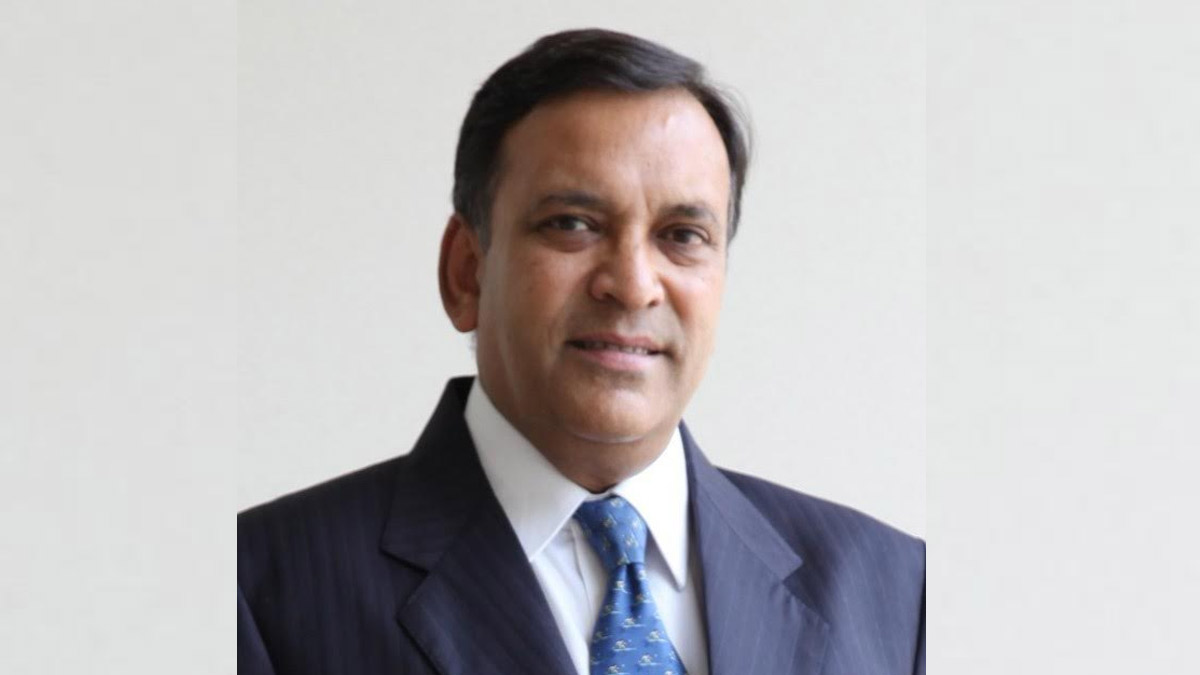
NEW DELHI: He was not the most visible face of Bharti. He was, by most accounts, the most consequential one. Akhil Gupta, known within the group simply as AKG, has retired as vice chairman of Bharti Enterprises with effect from March 31st, 2026, closing a chapter that stretched across more than three decades and reshaped Indian telecoms in ways still felt today.
Gupta was there at the beginning, part of the core leadership team that steered Bharti Airtel from a scrappy domestic operator into one of the world’s largest telecom and digital services companies. But it is two decisions in particular that cement his legacy. The first was persuading the industry that a telecom company need not own its own network. His outsourcing partnerships with IBM and Ericsson, considered eccentric at the time, stripped out capital costs and sharpened Airtel’s competitive edge. The model was subsequently copied across the global industry. The second was the creation of Indus Towers, now one of the largest tower companies in the world.
Both initiatives were studied as case material at Harvard Business School, where Gupta himself had studied. A chartered accountant by training and a dealmaker by instinct, he accumulated industry accolades across his career without ever particularly courting the limelight.
Bharti Enterprises, announcing the retirement on LinkedIn, credited Gupta with building the foundation of the group’s success and driving innovation, partnerships and long-term value creation.
The tributes are deserved. Gupta did not just help build Airtel. In many respects, he helped invent the playbook that modern telecoms runs on.






