iWorld
Kevin Vaz charts JioStar’s rise as India’s next global content engine

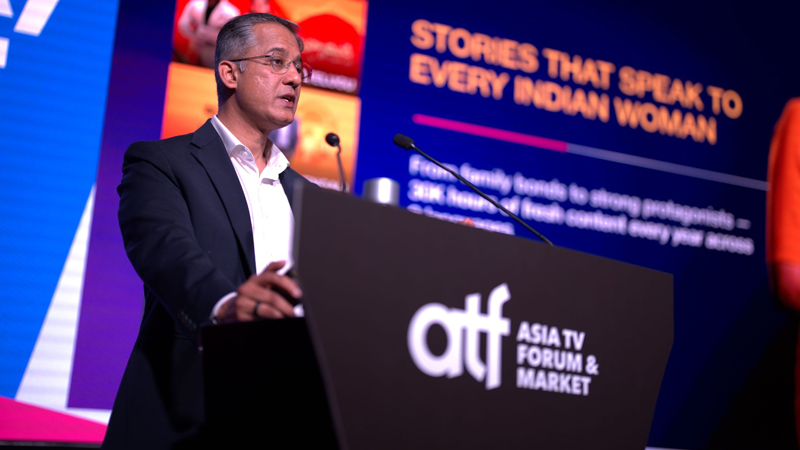
SINGAPORE: JioStar is no longer just a broadcaster. It is becoming a storytelling machine built for a billion imaginations, according to Kevin Vaz, CEO Entertainment at JioStar, who addressed global leaders at the Asia TV Forum and Market 2025 in Singapore.
In a session titled Powering the Next Wave of a Billion Imaginations, Vaz said India is stepping into a defining era where technology, talent and sheer audience scale are reshaping how stories travel across the world. With a population of 1.4 billion and a median age of 29, he described India as one of the youngest and most agile content markets anywhere.
Vaz painted a portrait of a country bursting with creative energy. With 22 official languages and more than 1,500 dialects, India produces more than 200,000 hours of television, 1,800 films and over 400 web series each year. He called this a content ecosystem that few nations can match.
The boom in consumption, he noted, has been fuelled by both television and digital platforms. India now counts 900 million television viewers, 900 million internet users, 500 million social media users and more than 85 million connected TV homes. This growth is pushing a new blend of storytelling and technology that is changing how audiences experience entertainment.
At the centre of this shift, said Vaz, is JioStar. On TV, the network commands a 35 per cent market share with more than 90 channels in ten languages, reaching over 760 million viewers monthly. Five of the top ten shows across genres regularly come from its stable. On digital, JioHotstar has crossed one billion downloads on Google Play and engages more than 400 million monthly active users, while JioStar’s entertainment and sports offerings now reach almost the entire connected TV universe in India.
Vaz spotlighted JioStar’s broad content slate including women led dramas that spark dinner table debates, youth driven non fiction, high energy formats, a growing kids portfolio and global entertainment available through JioHotstar. He also described sports as one of JioStar’s strongest growth engines, with the platform emerging as the country’s home of sports with a massive, unified bouquet of tournaments.
Looking ahead, Vaz outlined priorities across AI driven content innovation, accelerated connected TV growth, new bite sized formats such as micro dramas and wider global distribution.
He concluded with a vision for the decade. JioStar, he said, aims not just to deliver content but to build an imagination ecosystem where technology, culture and creativity move in step to redefine how stories are created, shared and enjoyed.