iWorld
Kapil Sharma goes beyond the screen to surprise fan!


Mumbai – The Great Indian Kapil Show which launched on 30 March has been the talk of the town since the first announcement dropped by Netflix last year. Three weeks in a row, the show has been trending in the Global Top 10 List – Netflix’s weekly Top 10 lists of the most-watched TV and films. For the first time ever, Netflix in partnership with ACT Fibernet, has done something unique and clutter breaking delighting fans across the country! Through this partnership, Kapil Sharma,
Sunil Grover and Krushna Abhishek surprised fans by traveling all the way to their respective cities, knocking on their doors and waltzing into their homes & hearts leaving their neighbors green with envy.
The emotions went from surprise to delight to in a matter of seconds as Kapil, Sunil and Krushna went knocking on people’s doors. From squeals of “Oh My God, I can’t believe it” to “Agli baar bhabhi aur bacchon ko lekar aana” there was a whole lot of love and ‘apnapan’ showered on Kapil & the team. Elderly couples to young adults and kids, all queued up and patiently waited for a glimpse of their favourite artists from balconies and windows – cheering for them, as they walked around the neighborhood soaking in all the smiles with only and only gratitude in their hearts.

Sharma shared, “When I first heard this idea from Netflix, I absolutely loved it. No further questions asked. I have always talked about the deepest gratitude and regard I hold for my fans and to be able to meet them in person, in their homes, and share a moment with them, is a priceless experience for me. It almost felt like meeting my extended family. I am glad we could do this. It feels surreal when you get treated so warmly by fans and you are privy to their genuine feelings so up close and personal.”
Grover further added, “The expression on people’s faces – the surprise, delight and warmth just touched my heart. I am falling short of words to express myself. I am touched by the amount of love people showered on us. This whole experience has engraved itself in my core memory. I can’t stop smiling as I say this.”
Abhishek shared, “Getting an opportunity to be treated not like a guest but like family in the homes of our amazing fans was deeply moving. It has reinstated that we are on the right track and it only motivates us to keep working harder. It absolutely felt great to personally visit societies and homes –
where people knew so much about us. They asked us so caringly about our family and kids. To know that people are enjoying the episodes with family saying they have a reason to watch something so wholesome together is reassuring and I would like to congratulate Netflix for bringing us together.”
Talking about the surprise visits organized by ACT Fibernet and Netflix, ACT Fibernet CMO Ravi Karthik said, “This unique collaboration between ACT Fibernet and Netflix has brought the magic of entertainment directly into the homes of subscribers. It also showcases the power of laughter to unite communities. Kapil, Sunil and Krushna are household names, known and loved for their TV appearances for years. With their new show – The Great Indian Kapil Show on Netflix, we saw this as an opportunity to provide our subscribers with an advantage and organized these surprise visits. By bridging the virtual and real worlds, ACT Fibernet and Netflix reaffirm their commitment to enhancing the customer experience while spreading joy through laughter.”







iWorld
OpenAI hits back at Elon Musk’s lawsuit ahead of trial
Company calls claims “baseless” and accuses Musk of trying to disrupt a rival.
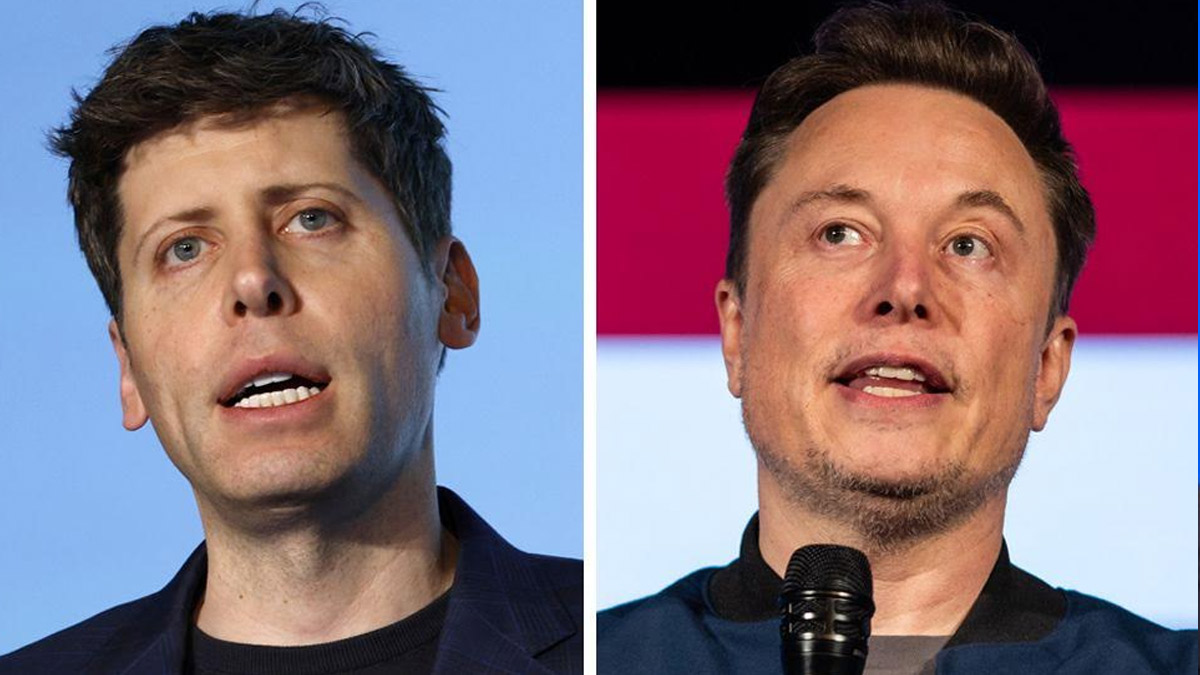
MUMBAI: When the stakes are measured in billions and egos are involved, even Silicon Valley titans can turn a courtroom into a battlefield. OpenAI has issued a sharp public response to Elon Musk’s ongoing lawsuit, accusing the billionaire of filing the case to harass a competitor rather than address genuine concerns. In a strongly worded statement shared on its official X account, OpenAI described Musk’s allegations as “baseless” and suggested the lawsuit is an attempt to disrupt the company as the case heads toward trial later this month in Oakland, California.
The response comes after Musk’s legal team recently amended the complaint, proposing that any damages potentially exceeding $150 billion should go to OpenAI’s nonprofit entity rather than to Musk personally. OpenAI questioned the timing and motive behind this change, calling it a late-stage attempt to “pretend to change his tune” on the nonprofit structure.
The company further labelled the lawsuit a “harassment campaign”, arguing that Musk’s actions are driven by personal rivalry, ego, and a desire for greater control and financial upside.
At the heart of the dispute is Musk’s claim that OpenAI has abandoned its original nonprofit mission of developing artificial intelligence for the benefit of humanity. A co-founder who left in 2018, Musk is seeking governance changes, including the removal of CEO Sam Altman from the nonprofit board, and the return of certain financial gains linked to Altman and President Greg Brockman.
OpenAI has firmly rejected these allegations, maintaining that its current hybrid structure, a public-benefit corporation overseen by a nonprofit parent remains true to its long-term goals. The company has also previously accused Musk of anti-competitive behaviour aimed at weakening its leadership.
As the case prepares for a jury trial, this public exchange highlights the deepening rift between two of the most influential figures in the AI revolution and raises broader questions about governance, mission, and power in the fast-moving world of artificial intelligence.
In the high-stakes game of AI, it seems the real drama isn’t just inside the models, it’s playing out in courtrooms too.






