iWorld
Juggernaut Productions’ Samar Khan shares his untold experience in making Avrodh: The Siege Within

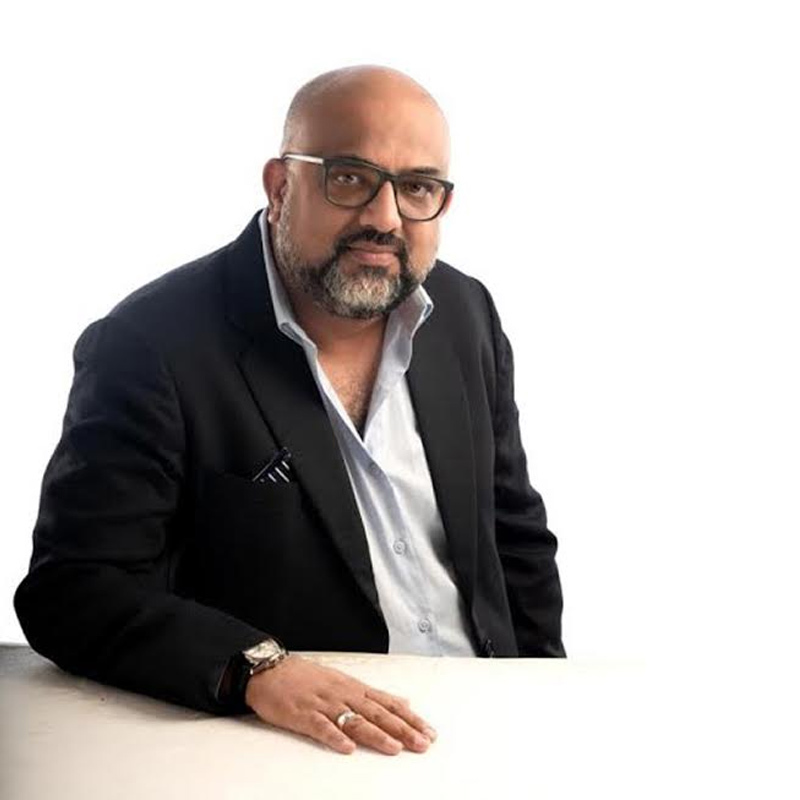
Director and producer Samar Khan, who is known for his critically acclaimed war drama film Shaurya, is now busy creating stories for streaming platforms. Almost one-and-a-half years after Vicky Kaushal's Uri: The Surgical Strike, SonyLiv has come up with a series named Avrodh: The Siege Within.
Based on a book written by Shiv and Rahul, Avrodh showcases what exactly happened during the 2016 surgical strikes conducted by the Indian Army in Pakistan-occupied Kashmir (PoK). The former journalist is passionate about creating stories for armed forces as most of his work like Regiment Diaries on Epic channel, The Test Case, or the AltBalaji-ZEE5 series Code M revolves around the same subject.
In a special discussion with IN10 Media Network's production arm Juggernaut Productions chief operating officer (OTT) Samar Khan gives more insights on the show.


Edited Excerpts:
Avrodh is based on Shiv and Rahul’s book. So, how did you conceptualised the show?
I have always been intrigued by stories of armed forces. Before Avrodh I have made Shaurya and Test Case. I picked up Rahul and Shiv Aroor’s book and was taken aback after reading the first chapter. I also spoke to the authors and realised that they were also very interested in making its OTT version. We all felt that the book deserved to be made in a series rather than a film. Post this, I immediately approached Applause Entertainment’s Sameer Nair with the idea, and he was equally convinced about it. So that is how we went ahead with this concept.
It looks more like a quasi-documentary style of a contemporary action film. So, do you think it would have been better if it was a documentary than a series?
No, not at all because the concept is more dramatic in its storytelling. It is now a show that can be made in a documentary style. We always believed that the dramatic storytelling format would be the best way. I don’t think anyone was confused about the route we wanted to take. I think a series would do justice to it. The documentary is a different part of storytelling. I am not saying that it would not have been effective for this show. It is just that we have picked another way of storytelling. There are already many.
Were you scared that people would take it as a jingoistic show? How have you maintained the line between jingoism and patriotism?
We were proud of our story, and we wanted to show the story in the way it has happened. We were clear about telling a story of bravery, and we wanted to show it as humanely as possible. I come from NDA background and have friends in forces with whom I interact on a regular basis, so I know the way they think and operate. Our entire team had just one single aim of creating a human story. In my opinion, the show doesn’t have any jingoism elements.
Where did you shot the story?
Initially, the plan was to make a 10 episode series, and we had the goal to expand the world of the book. The book talks about the surgical strike, so we picked up the story even before the Uri attacks happened then later in the show, we showcased Uri attacks and then the ten days that led to the surgical strike. So initially, we thought to name the series as ‘10 Days’. We researched about what political establishments were doing and how the planning was done. The actual scripting process took eight to nine months. It was important for us to stay true to the story, but we did take some cinematographic liberties. One of the most crucial things I and Applause Entertainment decided to do was to bring the director of Neerja movie Raj Acharya. That was one of the best decisions we took. So, later on, we brought the team on-board, then the casting process happened. Amit Sadh was our first choice because we share a similar thought when it comes to the army. We brought on board some of the esteemed names from the film industry like Neeraj Kabi, Darshan, Anant Mahadevan, and Vikram Gokhale.
We also received great help from the Indian army as they provided us with the locations, places to shoot, and equipment. We submitted the entire script to them for approval. They were also part of storytelling. We found locations in Bhadarwa, located in Jammu, and then we shot in Mumbai and some parts of Delhi. We spent a lot of time in talent scouting for junior artists and other actors. We did army training with them, taught them how to hold a gun, and how to walk, talk, and salute like army men. We had an ex-army man as a trainer who helped us in designing the look for the boys. It was important for us to maintain the authenticity and real look of the show. We fabricated and made guns like the real ones. But the Bofors, trucks, Jeeps are from the army.
The music perfectly magnifies the chaos of war in the series. Can you elaborate more on this?
A lot of credit for music goes to Deepak Sehgal and Priya Jhavar from Applause Entertainment. I think between Raj Acharya, Sehgal, and Jhavar the background music got reworked several times. Nirmal Pandya also kept on innovating with different tools and instruments. We didn't want the background music to look more like jingoistic or patriotic.
Also, in the commercial cinema, audiences are served with a bouquet of things which included crime, romance, drama, and thriller. Do you think streaming platforms have changed this scenario?
We are now able to tell stories in a more defined and chiseled way. I think we don't need to unnecessarily fill up the story with everything. Apart from streaming giants, I would also like to give credit to audiences. I believe it is not important to have everything in one story. It is fantastic that audiences have also evolved; they can enjoy things without fitting everything into one.





iWorld
Bill Ackman makes a $64bn bid for Universal Music Group
The hedge fund boss wants to list the world’s biggest record label in New York and thinks he knows exactly what ails it
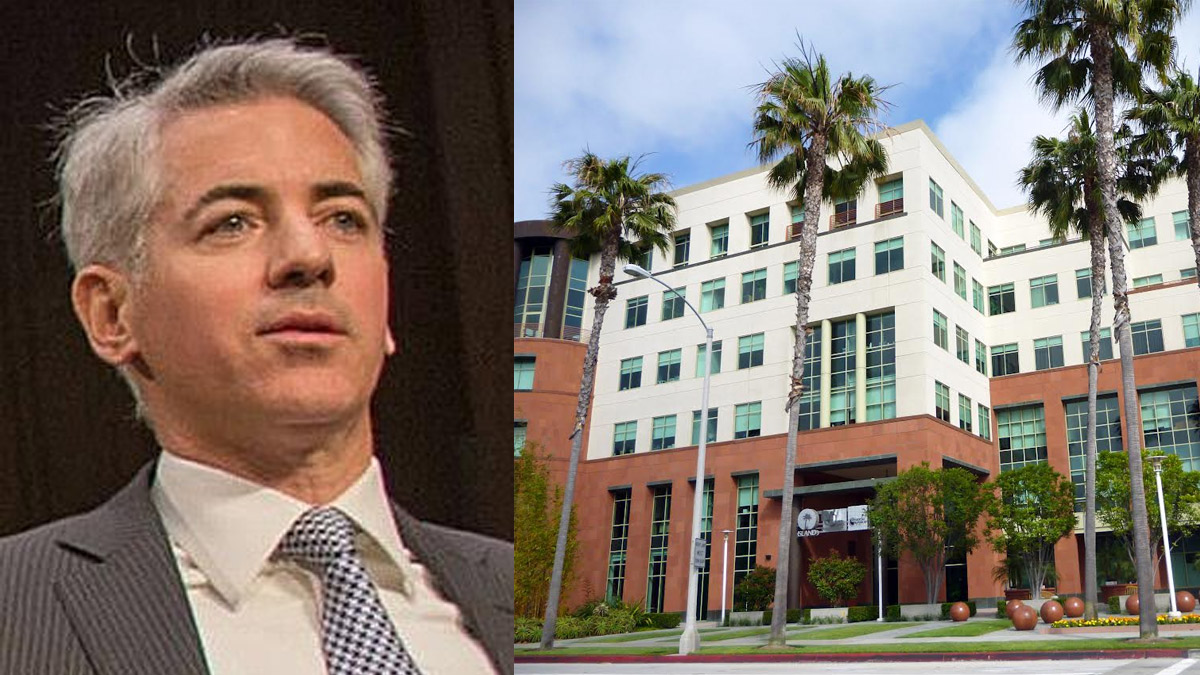
NEW YORK: Bill Ackman wants to buy the world’s biggest record label. Pershing Square Capital Management, the hedge fund run by the billionaire investor, submitted a non-binding proposal on Tuesday to acquire all outstanding shares of Universal Music Group in a business combination transaction worth roughly $64.4 billion (around 55.8 billion euros).
Under the terms of the offer, UMG shareholders would receive 9.4 billion euros in cash, equivalent to 5.05 euros per share, plus 0.77 shares of a newly created company, dubbed New UMG, for each share held. Pershing Square values the total package at 30.40 euros per share, a 78 per cent premium to UMG’s closing price on April 2.
The deal would see UMG merge with Pershing Square SPARC Holdings, with the combined entity incorporating as a Nevada corporation and listing on the New York Stock Exchange. New UMG would publish financial statements under US GAAP and become eligible for S&P 500 index inclusion. Pershing Square says the transaction is expected to close by year-end, with all equity financing backstopped by Ackman’s firm and its affiliates, and all debt financing committed at signing. The transaction would cancel 17 per cent of UMG’s outstanding shares, leaving New UMG with 1.541 billion shares outstanding.
Ackman has a long history with UMG. Pershing Square first bought approximately 10 per cent of the company from Vivendi in the summer of 2021 for around $4 billion, around the time of UMG’s listing on the Euronext Amsterdam exchange. He has since trimmed that position, raising around $1.4 billion from the sale of a 2.7 per cent stake in March 2025, and resigned from UMG’s board in May 2025, citing new executive and board obligations arising from recent investments.
His diagnosis of UMG’s troubles is blunt. The company’s stock has fallen around 33 per cent over the past twelve months on the Euronext Amsterdam exchange, and Ackman lays out six reasons why. These include uncertainty around the Bolloré Group’s 18 per cent stake in the company, the postponement of UMG’s US listing, the underutilisation of UMG’s balance sheet, the absence of a publicly disclosed capital allocation plan and earnings algorithm, a failure to reflect UMG’s 2.7 billion euro stake in Spotify in its valuation, and what Ackman calls suboptimal shareholder investor relations, communications and engagement.
The Bolloré stake has long cast a shadow over the company. Cyrille Bolloré stepped down from UMG’s board in July 2025 as the Bolloré Group battled the French financial markets regulator over its stake in Vivendi, which holds a further capital interest in UMG. UMG had confidentially filed a draft registration statement with the US Securities and Exchange Commission in July 2025 for a proposed secondary listing in America, but put those plans on hold in March 2026, citing market conditions.
Ackman has kind words for UMG’s management, at least. “Since UMG’s listing, Lucian Grainge and the company’s management have done an excellent job nurturing and continuing to build a world-class artist roster and generating strong business performance,” he said. But he made his diagnosis plain: “UMG’s stock price has languished due to a combination of issues that are unrelated to the performance of its music business and importantly, all of them can be addressed with this transaction.”
In other words, Ackman believes UMG is a great business trapped inside a broken structure. If the board agrees, he intends to fix that, loudly and in New York.






