iWorld
JioCinema and Deutsche Welle collaborate to bring exclusive content: “Megacity Mindset” series


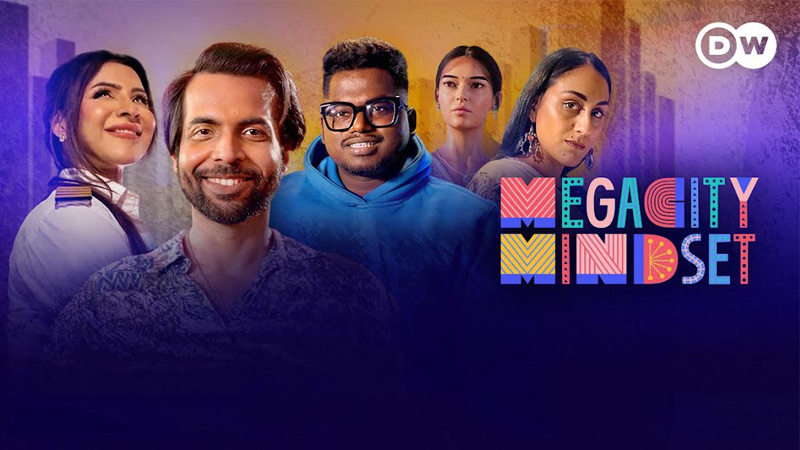
Mumbai: JioCinema, India’s leading digital entertainment platform, is thrilled to announce its collaboration with German international broadcaster Deutsche Welle (DW) for the launch of “Megacity Mindset”, an inspiring five-part series showcasing remarkable individuals across India’s vibrant and influential cities.
Created by documentary filmmakers Naomi Phillips and Akanksha Saxena (DW), “Megacity Mindset” explores the unique stories and mindsets driving success and innovation in Mumbai, Delhi, Chennai, Bengaluru, and Kolkata. Each episode features exceptional individuals who have excelled in their respective fields and made a significant impact on their cities.
Commenting on the launch, Daniel Schulz and Jaya Oberoi from DW‘s Asia Distribution Team, said, “Megacity Mindset” is a powerful up-close narrative, filled with endearing insights into the lives of extraordinary people who have embraced the city’s attitude – to call their own. The protagonists have allowed us proximity to see facets of their lives, combined with lasting impressions and statements that hopefully leave an imprint on the viewers. We are thrilled to partner with Jiocinema, to distribute this docuseries to reach India’s diverse audience who are interested in both entertainment, as well as informative content. At DW, we remain dedicated to focusing on thought-provoking stories that continue to inspire curious minds.”
Commenting on the partnership, Viacom18 head – Branded Content Vivek Mohan Sharma said “We are excited to join forces with Deutsche Welle to present ‘Megacity Mindset’ which offers an intimate and compelling look into the lives of remarkable individuals who have adopted and thrived in the spirit of their cities. This collaboration with us at JioCinema allows us to bring a series rich with heartfelt insights and personal stories from India’s most dynamic cities to our audience. At Viacom18, we are dedicated to pushing the boundaries of content with offerings that not only entertain but also enlighten. ‘Megacity Mindset’ showcases the diverse talents and groundbreaking ideas shaping the future of India.”
In Mumbai, Bollywood star and casting director Abhishek Banerjee shares his journey in the entertainment industry, offering insights into the dedication required to thrive in this competitive metropolis.
Moving to Delhi, the series highlights pilot and high-flyer Capt. Zoya Agarwal, who is breaking barriers and empowering women in traditionally male-dominated fields.
In Chennai, Tamil star rapper Arivu represents the ethos of excellence with his boundary-breaking music and powerful lyrics that resonate with audiences worldwide.
Bengaluru, India’s Silicon Valley, showcases the innovative spirit through virtual human Kyra, who is revolutionizing connectivity both online and in real life.
Lastly, “Megacity Mindset” takes viewers to Kolkata, where poet-writer Karuna Ezara Parikh and emerging talents redefine the city’s cultural landscape through creativity and passion.
Each episode of “Megacity Mindset” offers a compelling narrative of resilience, ambition, and creativity, showcasing diverse talents and perspectives that drive these megacities.
Join us on this captivating journey as we explore the essence of success and the transformative power of mindset in India’s dynamic urban landscapes.
“Megacity Mindset” is produced by DW and is exclusively available for streaming on JioCinema.