iWorld
Indian mobile gaming to become a $5bn+ industry by 2025: report


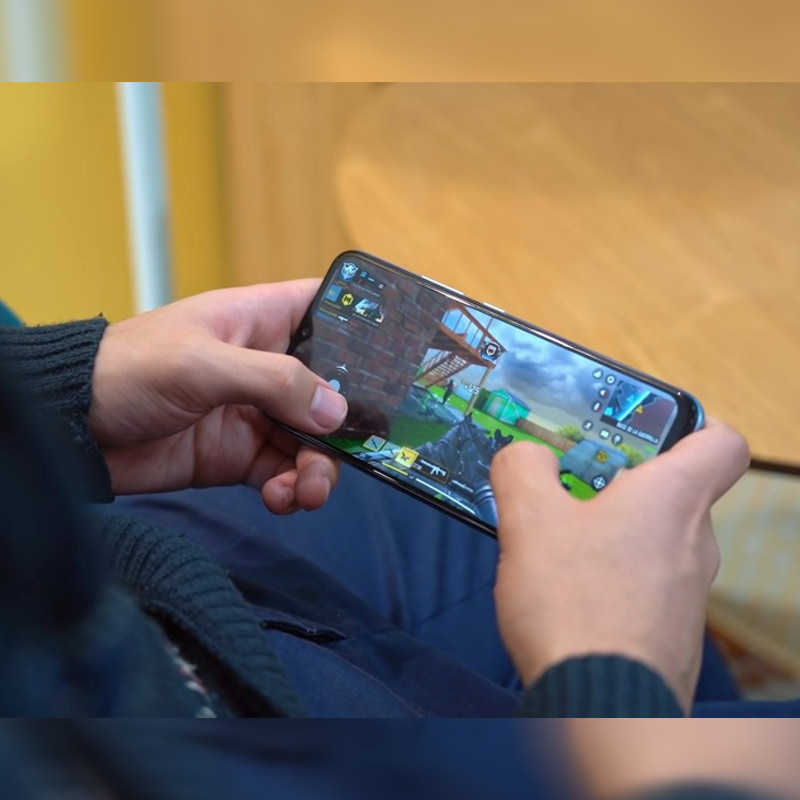
Mumbai: The gaming sector in India is growing faster than most media sub-sectors – including cinema and home entertainment, audio and more. The industry is currently generating $1.5 billion revenue and is expected to triple to $5 billion plus by 2025 on the back of the “mobile first” phenomenon, according to a BCG-Sequoia India report.
The growth has largely been catalysed by better smartphones, increased internet access, popular titles, influencers, and the global pandemic, said the report titled ‘Mobile Gaming: $5B+ Market Opportunity’ released by Sequoia India in partnership with BCG to assess the current mobile gaming market in India, and its prospects for expansion.
The Consumer Survey conducted by BCG as part of this report gathered insights from 3200+ respondents across 21 locations in India, and investigates gaming habits of the Indian gamer. It probes into the evolution of Indian mobile gaming in terms of genres, engagement, and monetisation dimensions.
“The gaming industry in India has seen a growth of almost 40 per cent in 2019-20, more than that of OTT, television and social media platforms. 86 per cent of this market consists of mobile phone users. While there is large dependence on ad revenues today, increasing traction and engagement is expected to drive higher willingness to pay which will drive new ways of user monetization and rising ARPUs in the coming years,” said BCG managing director and senior partner Vikash Jain.
The report also highlighted how India is emerging as both an investment opportunity and a talent hub for the world.
“Monetisation of Indian games, which has been a concern in the past, is already at $1.8B revenues ramping up very rapidly. The industry is witnessing a significant investor interest in Indian gaming. In fact, a third of all the funding for gaming in India came in the first quarter of 2021. The rise of gaming platforms is especially exciting, as evidenced by 80 per cent of all funding going to platforms,” said Sequoia India managing director Rajan Anandan, talking about investor sentiment.
According to BCG managing director and partner Mandeep Kohli the Indian gamer is not defined by their demographic. They are rather defined by their context – their needs, preferences, and gaming habits. “An average player who plays to avoid boredom may spend around one to two hours on games, while a die-hard gamer who plays for the competitive spirit, can spend nearly double the time on gaming while playing the same game or a different game all together. Companies that are able to understand these varied consumers and identify which ones are they really serving are the ones which will lead the market,” Kohli explained.
The report also highlighted key imperatives that will drive the next wave of growth for this fast-paced industry. These include enhancing the discovery and adoption through casual and free to play games, improving usage and retention by diversifying genres to increase engagement and retention, and effectively driving monetisation through localized pricing strategies, among others.
“80 per cent+ of the mobile gaming market is driven by user spends, i.e., in-app purchases and real-money games, further catalysed by wide availability of quality smartphones, affordable internet and UPI,” said Sequoia India associate Prachi Pawar.
It also delved deep into the strategic choices of some of the successful mobile gaming companies in India — Nazara, MPL, Dream11 and Gameskraft. “Being the first movers in their respective segments, some of these companies have helped shape the Indian gaming market. They continue to bet on new growth opportunities and build competitive advantage to stay ahead in this high-stakes game,” said BCG principal Wamika Mimani.