iWorld
Indian government wants streamers to develop a social conscience

MUMBAI: Most creators have been singing hosannas about how streaming platforms have allowed them to express themselves freely. But how freely? That’s a question that the ministry of information and broadcasting (MIB) is posing. Especially in light of its observation that “certain streaming content available on OTT platforms is inadvertently promoting, glamorising or glorifying the use of narcotic drugs and psychotropic substances through such portrayal by the main protagonist and other actors. Such a portrayal has serious repercussion, particularly regarding the potential influence on young and impressionable viewers.”
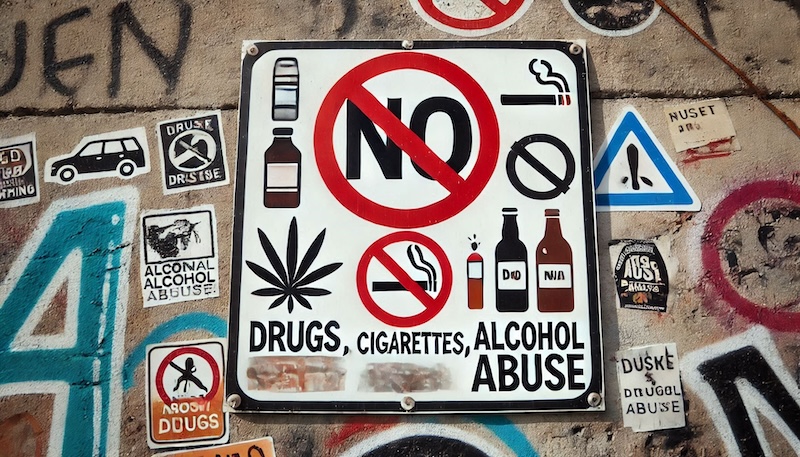
In advisory to the industry, the MIB has advised OTTs to stop portraying drug use or abuse as fashionable or acceptable to society especially when it is part of the narrative of a series or film. And it has also cautioned them that should the streamer or content creator choose to portray misuse of psychotropic substances, liquor, smoking, tobacco or any behavior that is likely to incite the commission of any offence, including infliction of self-harm, and that children and young people may potentially copy, then they should place the film or series in a higher classification of self-certification.
The ministry has directed the platforms to put in place measures like carrying public health messages and disclaimers about the dangers of drug abuse, especially in programs in which it is part of the story line. Then it has requested them to arouse their corporate social responsibility conscience and make and popularise content and documentaries which highlight how substance abuse is health-harming in the long term. Accepting that OTT content is beginning to impact public opinion and behaviour, it has reminded them of their social responsibility and how their content helps shape culture and society.
The advisory also warns that in case they find any streamer crossing the red line, strict regulatory scrutiny will follow under the provisions of the Information Technology Act, 2000 read with the Narcotic Drugs and Psychotropic Substances Act (NDPS), 1985. And if evidence is found conclusive, then strict penalties will apply.
Are the writers and creators and commissioning editors in streaming platforms listening? As well as the standards and practices guys?