High Court
India TV’s Rajat Sharma wins personality rights and trademark case in Delhi High Court

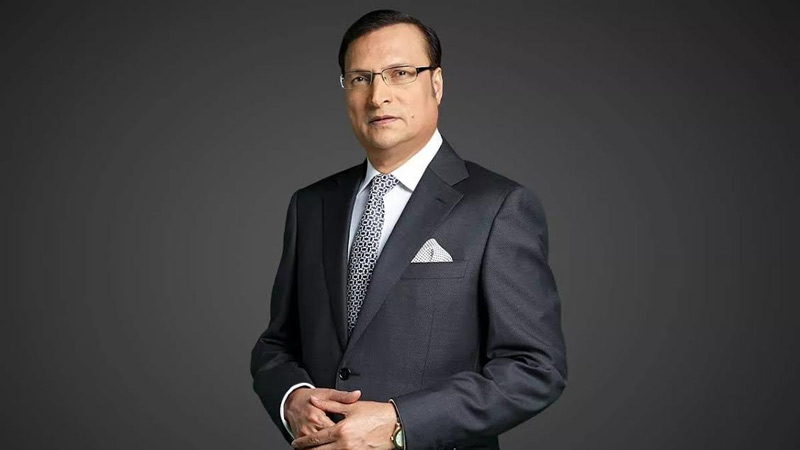
Mumbai: India TV and Rajat Sharma have achieved a significant legal victory, protecting their trademark and personality rights from misuse of the India TV logo and the “Aap Ki Adalat” show and mark. The Delhi High Court has ruled, in an interim order, in favour of the senior journalist, Shri Rajat Sharma, recognizing his personality rights and India TV’s trademarks/logos.
India TV and Shri Rajat Sharma initiated legal action by filing a suit for a permanent injunction before the Hon’ble Delhi High Court, seeking relief against an infringer who was unlawfully using trademarks/logos resembling “India TV” and “Aap Ki Adalat.” The infringing party, identified as “Jhandiya TV ” was utilizing an identical logo and the name ” Baap ki Adalat ” Additionally, the plaintiffs sought an injunction to prevent the unauthorized use of any photograph, video, or name of Shri Rajat Sharma, in violation of his personality rights, across various mediums including trademarks/logos, trading styles, domain names, social media posts, audio-video content, and related services.
Recognizing the merits of the case, the court issued an interim order granting protection in the following terms:-
1- Trademark and Logo Use Restrained: The infringing party and its representatives are barred from using the disputed trademark/logo, such as “Baap ki Adalat,” or any deceptively similar marks/logos to “India TV” and “Aap Ki Adalat” across various mediums including trademarks, trade names, logos, trading styles, domain names, social media posts, audio-video content, and related services.
2- Protection of Personality Rights: The infringing party and its representatives are prohibited from using the photograph, video, or name of Shri Rajat Sharma in any form (e.g., trademarks, logos, trading styles, domain names, social media posts, audio-video content, or related services) to prevent the violation of Shri Rajat Sharma’s personality rights.
3- Content Removal: Internet platforms [‘X’ (formerly Twitter), YouTube (Google India Private Limited), and Facebook (Meta)] have been directed to remove the disputed content, including social media posts/links containing the infringing trademarks/logos and any other deceptively similar marks/logos identified in the court application. Additional links identified by India TV must also be removed.
India TV and Shri Rajat Sharma stand resolute in safeguarding their intellectual property and personality rights. In the dynamic digital realm, where information spreads swiftly, preserving these rights is imperative. Emerging technologies underscore the crucial need for robust intellectual property protection, ensuring the preservation of reputation, integrity, and commercial interests. The commitment to pursue all legal avenues underscores the determination to maintain the integrity of its brand and identity in an ever-evolving digital landscape.