News Broadcasting
HT forays into web 3.0 with NFTs documenting 100 years of Indian history

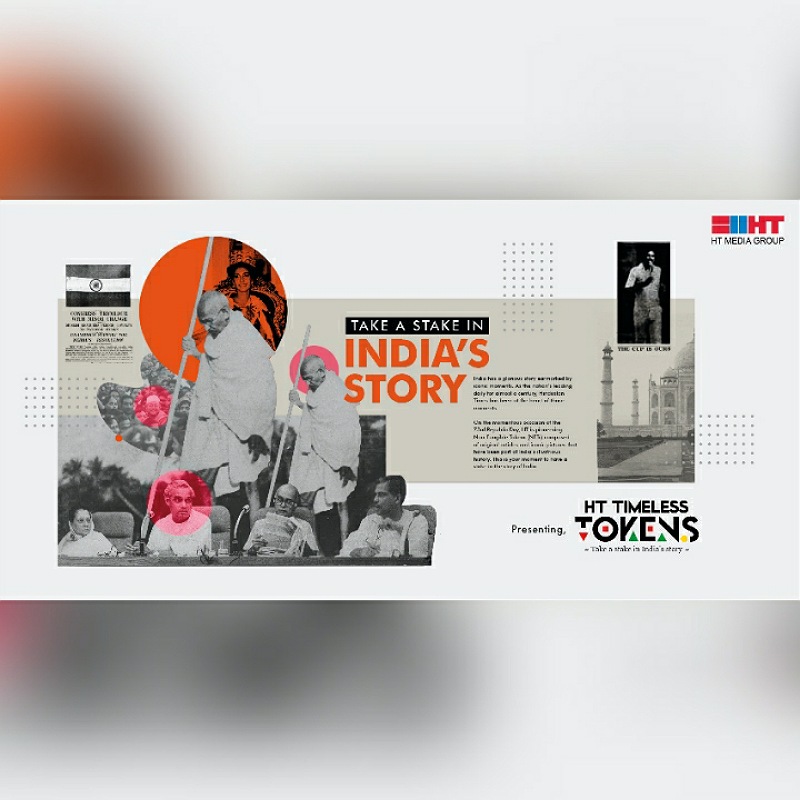
Mumbai: Hindustan Times has announced its foray into web 3.0 with the launch of Non-Fungible Tokens (NFTs) under the banner of ‘HT Timeless Tokens,’ which will document India’s 100-year-old history as digital art.
HT Timeless Tokens will include digitised versions of original historic creatives which were published in Hindustan Times through the decades.
Some of the NFTs launched by HT include the iconic cover page of first republic day HT edition, and others inspired by events such as the success of the first missile launch, and India’s first historic win at the World Cup in 1983 against the West Indies.

NFTs are a digital certificate of ownership of a piece of digital asset that can be bought and sold. The exclusive digital artworks launched by HT can be purchased with cryptocurrency and Fiat currency. They present an opportunity for collectors and enthusiasts to claim a piece of India’s glorious history filtered through the lens of Hindustan Times.
To begin with, HT has launched NFTs celebrating India’s Republic Day on 26 January. They are available on Beyond Life, an NFT marketplace and platform that facilitates the creation, sale, and purchase of ownership rights to digital works of art via NFTs. Powered by GuardianLink.io – BeyondLife. Club is also responsible for launching two of the greatest NFT drops so far – Amitabh Bachchan’s rare exclusive NFT and Marvel creator Stan Lee’s exclusive NFT collection ‘Chakraverse.’
“With industries like tech, finance, lifestyle, music and media advertising companies moving into the crypto/NFT ecosystem, new opportunities are set to be unlocked in the space of Web3,” said GuardianLink.io COO and founder Kamesh Elangovan. “The secondary marketplace for NFTs at GuardianLink.io will see more and more collectors investing with knowledge on the future monetisation of their NFTs. The partnership with Hindustan Times opens yet another avenue to explore the world of NFTs in the media and marketing industry.”







News Broadcasting
Kamlesh Singh receives Haldi Ghati Award from MMCF
India Today Group editor honoured for three decades of journalism at Udaipur ceremony.
MUMBAI- Kamlesh Singh just turned a lifetime of sharp words into a shiny shield because when journalism wakes up a society, even the Maharana of Mewar wants to pin a medal on it.
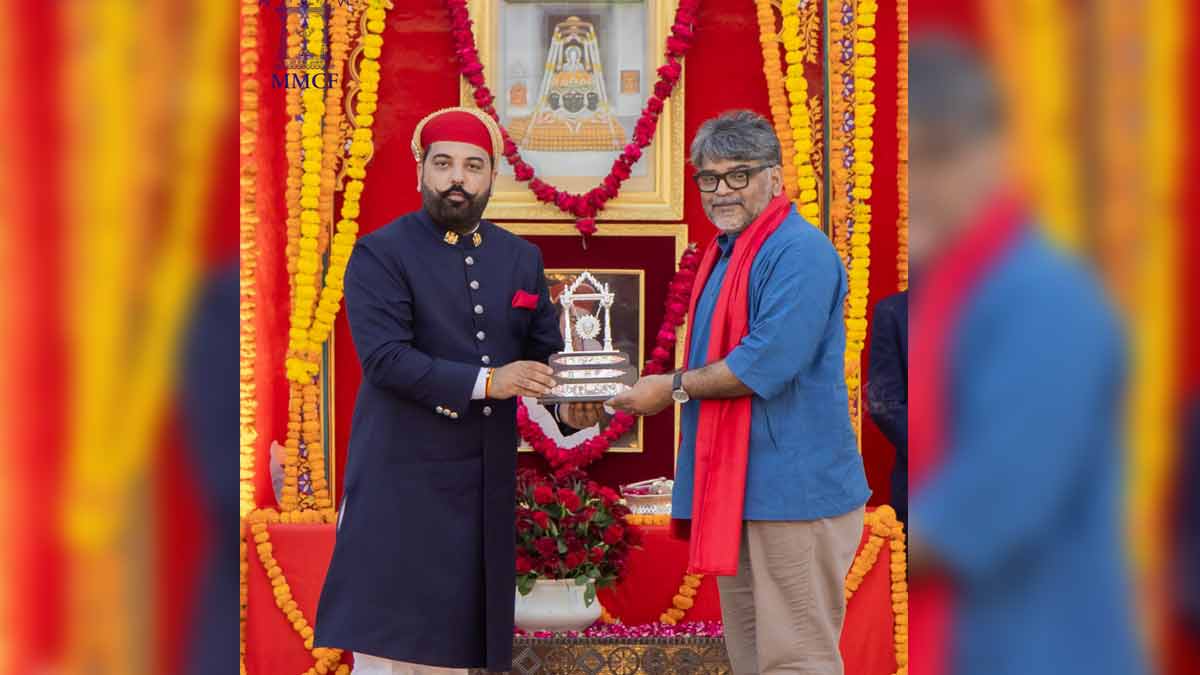
The Maharana of Mewar Charitable Foundation (MMCF) conferred its prestigious Haldi Ghati Award on Kamlesh Singh, a senior editor at the India Today Group, during a ceremony in Udaipur on 15 March 2026. The national award, instituted in 1981-82, recognises “work of permanent value that initiates an awakening in society through the medium of journalism.”
Singh, who leads several editorial initiatives including Aaj Tak Radio, the Teen Taal community and The Lallantop, was presented the honour by Lakshyaraj Singh Mewar, Managing Trustee of MMCF. The citation highlighted his three decades of contributions to Indian media, innovations in digital journalism, mentoring young reporters, and his popular podcast persona “Tau” on Teen Taal, which fosters thoughtful public discourse.
The Haldi Ghati Award, named after the historic Battle of Haldighati symbolising valour and resilience, is one of four national awards given annually by MMCF. Past recipients include Tavleen Singh, Piyush Pandey and Raj Chengappa.
Other honourees this year included Padma Vibhushan Pt Hari Prasad Chaurasia, Vedamurti Devvrat Rekhe, Treeman of India Marimuthu Yoganathan, Vir Chakra Capt Rizwan Malik, and US-based researcher Molly Emma Aitken, who received the Colonel James Tod Award for contributions to understanding Mewar’s spirit and values.
In an era where headlines often shout louder than substance, the MMCF quietly reminded everyone that real journalism isn’t about noise, it’s about the quiet, persistent work that stirs society awake, one thoughtful story at a time.







