
iWorld
How FB is helping brands to grow their biz in India


GURUGRAM: Between dealing and refining its ad-targeting technology, coming clean about overestimating its video metrics to clients, failing to successfully launch Free Basics in India following ban by TRAI, its most recent tussle with Fake News, and, still doubling its revenues to USD 7.01 billion in its last quarter earnings (Q3) – Facebook has had an eventful year so far – be it globally or in India. How do these ups and down score with its partners and clients in India, Facebook’’s second largest market?
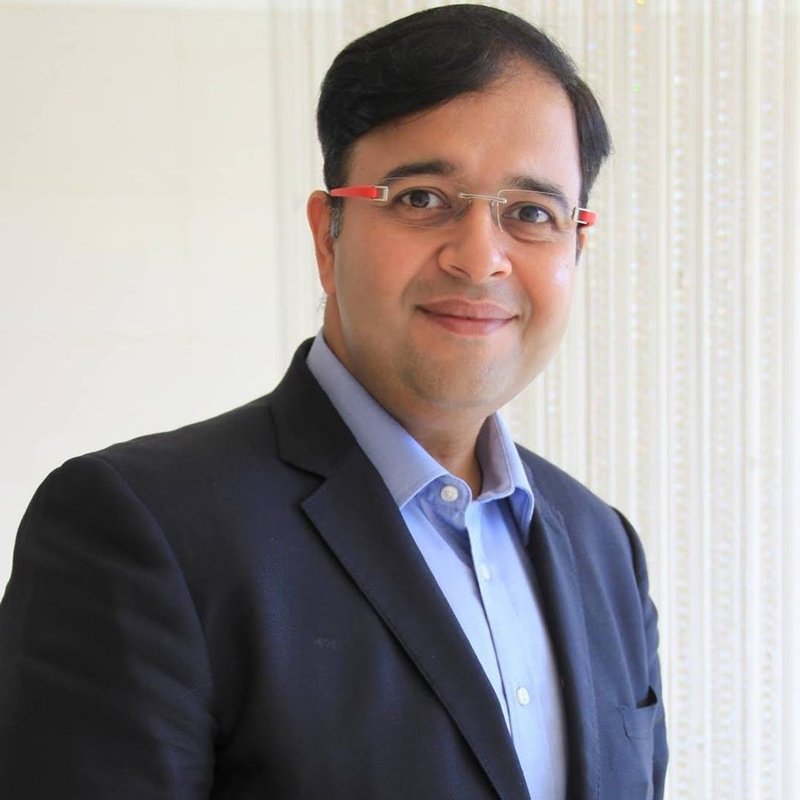
Acknowledging India’s strategic importance to Facebook’ s overall business, Facebook India and South Asia managing director Umang Bedi reassured that advertisers’ faith in Facebook is going strong, and not without reason.
Since joining the social media giant’s India team from Adobe Systems in July, the last 100 days have kept Bedi busy, hopping between cities catching up with partners across India.
In line with its motto of ‘moving businesses’, Bedi cited several examples where Indian brands engaging with consumers on Facebook have seen a measurable difference to its brand outcome as well as sales.
For example, Mondelez International gained over five points in brand consideration through Facebook’s Reach and Frequency tool, Durex saw a 29 per cent increase in sales during a running campaign on Mark Zuckerberg-led Facebook (along with TV), and Garnier saw a 19 per cent increase in sales in a weak market cluster using Facebook Carousel Ads.
Snapdeal, Tanishq, Adidas, Ola, Yatra.com, were a few other brands of which Facebook helped move business, Bedi cited.
As to how sales made by these brands could be attributed to ads placed on Facebook, Bedi clarified, “When there is a lift in sales done for a client online, we can easily track whether a consumer who saw its ad on our platform made a purchase or downloaded a certain app. It is a straightforward way keep track of a user across platforms through Software Development Kit (SDK) or pixels. For example, an Ola App will have a FB SDK embedded in its code. When you go offline, or cross media, we depend on our partners like Millward Brown who are known for meta cross-media studies, albeit through a sample-sized user base and campaigns.”
Based on cross-media meta content measured and studied by Millward Brown in 26 of its campaigns across categories, Facebook managed to add five points to television in audience outcome at one-seventh the cost if same numbers were chased through television. Other measurement services that Facebook uses to procure data and measurement studies for its clients include Nielsen and BARC.
The company’s impressive Q3 earnings, with a Y-O-Y increase of 16 per cent in revenue speaks volumes of its enormous reach that currently stands at 1.79 billion, off 1.18 billion are daily active users.
Speaking strictly of the Indian market, Facebook has 166 million monthly active users as of its last quarter reports, of which 159 million access the site through mobile. Similarly, 85 million Indian users access Facebook daily, of which 81 million do it through mobile.
Do these figures translate into revenues as well for the market? “Facebook India leads the charter among emerging markets when it comes to revenues. We are at par with Asia Pacific earnings, and Asia Pacific is the fastest growing markets for us, and India is a significant contributor to that,” Bedi shared, without putting a figure to its India earnings.
According to its filings with the Registrar of Companies that was reported earlier this year, Facebook reported a 27 per cent increase in its revenues in India.
On the flipside, Bedi also made a strong case of Facebook’s contribution to the Indian market to reinforce its positioning as a loved and trusted brand. Citing a Deloitte 2015 report, Bedi shared that Facebook contributes USD 4 billion to the Indan economy and supports 335,000 jobs through its marketing platforms and connectivity efforts.
“We have generated 2.4 billion interactions between businesses and people in India through two billion small and medium business pages in India. Not to mention, 59 per cent people in India are connected to SMEs through FB.”
While Facebook is focused on growing the base to reach the next billion new users in India and driving engagement, “everything we do around Facebook in the next five years is all about moving the real world business for our advertisers and partners,” Bedi makes it clear.
Bedi’s strategy for that is quite simple – grow numbers by driving deep engagement that is augmented by partnerships valued by measured returns.






