iWorld
Hooq to maintain its Hollywood focus in India

MUMBAI: Content differentiates the platform and hook the consumers. To become a differentiator, VoD platform Hooq differentiated its offering by not diluting its energy into various verticals.
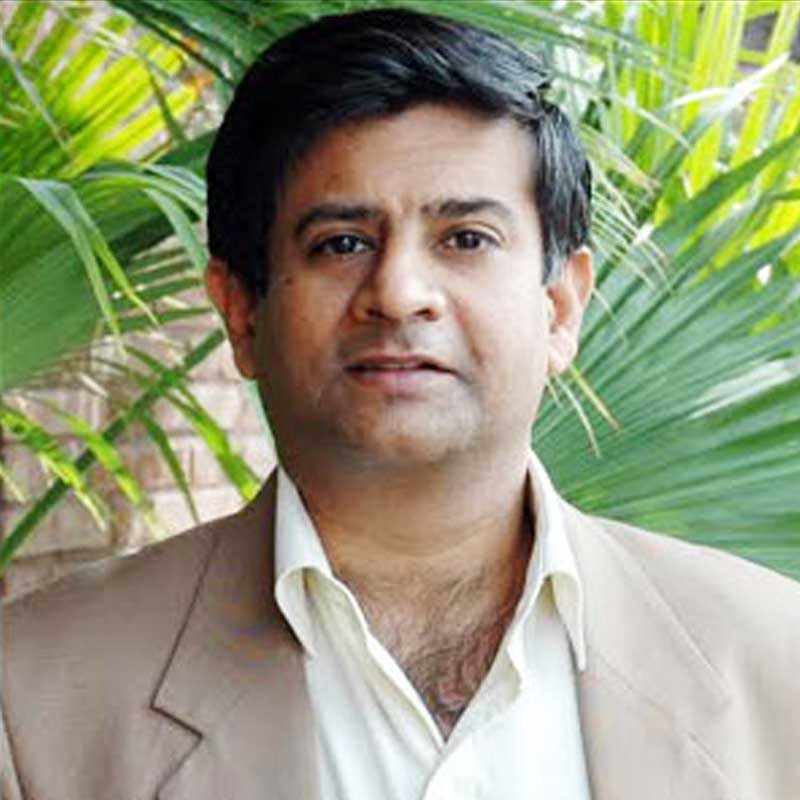
In an interaction with Indiantelevision.com, Hooq MD India Salil Kapoor said, “We have the best of Hollywood and locals in all the markets, whereas in India, we are focusing only on Hollywood.”
“We took this call because there are 25-30 players as far as the Indian market is concerned, and the cost of content is significantly high as compared to other market primarily for the local content. In India, broadcasters and several other players focusing on the local content that has pushed the price of the local content higher. So, we decided that instead of trying and win in every vertical, i.e., Hollywood, Bollywood, Local-Regional and Original, it would be better to concentrate our energy on one,” he added.
Hooq, which offers content in Thailand, Singapore, Indonesia, Philippines and India, is one of the cheapest video-on-demand offerings in India with Rs 89 per month subscription pack, which lets viewers stream and download up to 10, 000 movies and 78 TV shows. Its content includes films owned and distributed by Sony and Warner Bros, such as Wonder Woman, Spider-Man: Homecoming, Baby Driver, Suicide Squad, Fantastic Beasts and Where to Find Them and Batman v Superman: Dawn of Justice.
Kapoor said that the platform has recently launched an additional service in India which will allow viewers to watch the latest Hollywood offerings just after their theatrical release. “We have launched TVoD service in India, in which latest movies (after theatrical release) can be watched on Hooq in a little amount of about Rs 59, while TV shows and other movies will be a part of subscription package.”
In 2018, Hooq will shift its focus towards providing content in various regional languages. Talking briefly about the same, Kapoor said, “We have launched Spiderman home coming in four languages – English, Hindi, Telugu and Tamil. This is something we will do in coming time. We are going to build up a lot of dubbed movies in our systems, so that people around the country can get taste of it.”
“Although, English content is very popular on Hooq but we also want to give our subscribers an option of watching dubbed content, i.e., content in their own language. We have observed that people are liking it and we have observed the consumption of dubbed content picking up on website as well. However, apart from English, we see a lot of traction in Hindi, Tamil and Telugu as far as consumer interest is concerned.”
Hooq has different sources of attracting subscribers, one is through the deals with Vodafone and Airtel in which customers get free access to Hooq, and on the other side, they have the partnership with ACT Fibernet, which is a broadband player. While discussing about their distribution partnerships, Kapoor said, “We get a lot of subscribers from partners and we are planning to get into partnership with smartphone brands. We get a large chunk of customers from B to C and from B to B to C.” Currently, Hooq is in partnership with Vodafone, Airtel, ACT Fibernet and ICICI Credit Card, and Hooq will be announcing couple of tie ups soon as they currently are in advanced discussion level. Mobile handset brands like Samsung, Xiaomi and Motorola-Lenovo are on top three positions in terms of usage of watching content on Hooq.
Salil Kapoor has shifted his focus from D2h to OTT. While talking about the future of television, he said that television is not going anywhere in near future. He said, “OTT is complimentary to the television, a lot of people are shifting from watching TV in standard manner to watching it online.”
In 2018, the trend will move towards three directions according to Kapoor, which will include – first, TV shows becoming more popular than movies like Live TV or catch up TV is already picking up; second, the numbers of people getting engaged from mobile phone is high, however, the relation of engagement is much higher in the large screens, i.e., TV, will continue to grow, and third is that more and more people want to watch it on demand, so, hardware based boxes through which they can get television interface like Chromecast, dongle, and more will grow very fast. He said that international content is anyway growing In India but regional content consumption will grow fast in 2018.
Also Read: