iWorld
Happie Curves bags Rs two million funding from two angel investors on ‘Indian Angels’ OTT show


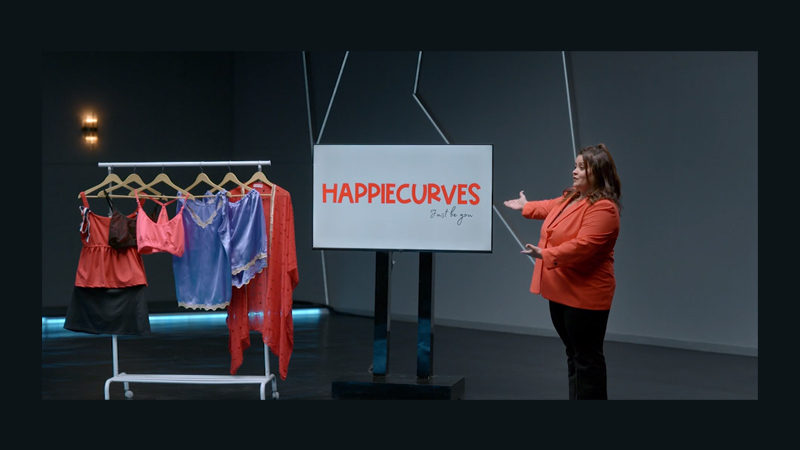
Mumbai: Gurugram-based plus-size innerwear and comfort clothing startup Happie Curves has raised an angel funding of Rs 20 Lakhs against 30 per cent equity dilution, from two prominent startup-founders-cum-angel investors – EaseMyTrip co-founder Rikant Pittie and Shobitam Inc chief product officer Aparna Thyagarajan. This equity funding deal was secured by Happie Curves through their recent participation in ‘Indian Angels’ – the world’s first OTT angel investment show, currently being streamed on the JioCinema platform
Prior to this, the start-up has remained bootstrapped since its inception. Happie Curves will be mainly utilizing the newly-raised capital to fuel various strategic interventions aimed at growing and expanding its business operations and brand value, and for bringing its products to a wider audience base nationwide. This in turn shall bolster their long-term aspiration of becoming India’s leading and most sought-after brand in the plus-size/curvy category.
Happie Curves founder Sonal Somani, who presented her startup’s ‘pitch’ in front of the distinguished panel of angel investors on the show, was able to garner hearty appreciation and constructive feedback from all five ‘Angels’. By the end of her presentation, she received an investment offer from two Angels, Rikant and Aparna, who joined hands in their bid to support Sonal and her fast-growing startup Happie Curves. Thereafter, without any negotiation, Sonal chose to accept the offer and closed the deal, thus onboarding the two ‘Golden Angels’ for Happie Curves – who believe strongly in her vision of “inclusive clothing design” to take care of the needs of the plus-size or curvy people community.
Speaking about the fundraise, Somani said, “I am thrilled to get the backing of two renowned Angels for my venture, whose investments in Happie Curves not just validates the huge promise and potential of my business idea, but also reaffirms and strengthens our belief that every woman deserves to be happy, and deserves to feel good from outside and within. And to enable that, diverse body type inclusive clothing is, of course, the way to go. Beyond the funding support, the immense experience and knowledge of these Angels will help us to learn valuable entrepreneurial lessons, grow, and be able to scale the brand rapidly and efficiently in the upcoming months and years. Getting support from these big stalwarts of the startup world itself is a huge achievement, and marks a significant milestone in our journey of taking Happie Curves to the next level of phenomenal growth.”
“Our biggest achievement till date is the widespread acceptance and love received by the brand amongst the country’s plus-size women – for so many of whom Happie Curves’ comfortable and trendy bralettes and lingerie items have emerged as a game-changer. Going forward, our endeavor will be to reach out with our inclusive and stylish offerings to the TAM entirely, by scaling the brand, and in the long run, ultimately striving to make it the numero uno brand in India for the curvy-plus-size community. In the process of doing that, Happie Curves will continue to innovate constantly, and we will never cease to embrace and celebrate ‘curves’ as we attempt to expand into new forms of comfort clothing and athleisure in the near future,” added Somani.
The major challenge today concerning plus-size intimatewear is size unavailability, given that most of the existing Indian initimatewear brands out there don’t really cater to the plus-size segment. Curvy beauties in India struggle hard to find sizes beyond 46 or 48 inches (chest size), as the size charts of most brands end at 44 inches. This creates a huge inconvenience for plus-size women, forcing them to buy from international brands. But even before that, it lowers their morale, hindering their self-love journey, and denying them their right to wear what exactly they wish to.
As a plus-size individual herself, Somani has faced and closely observed these issues first-hand throughout her adulthood years. Noticing the growing pain-points of the plus-size community due to lack of fashionable fits for curvy divas, Sonal eventually got inspired to launch an intimatewear brand specifically catering to plus-size women, trying to match the present-day international standards while bridging market gaps and bringing forth inclusive clothing for all. Thus, Happie Curves was born in 2022, and thereafter within a short span of time, it has successfully created ripples of positive change for its users, shot up in popularity, and built a feisty community (tribe) of those who love how their clothes make them feel. Notably, Happie Curves offers a wide range of intimate wear including beachwear, swimwear, nightwear, bralettes, and so on; all of their products are Made in India using top-quality fabrics, without compromising at all on both quality and comfort aspects.
As a one-woman army led brand, Somani has single-handedly been at the helm of leading Happie Curves towards increased acceptance and success. Interestingly, Sonal is someone who has adorned multiple hats throughout her career – a Brand Strategist, Image Consultant, Digital Marketer, and off late, as a Coach/Mentor and Public Speaker. At Happie Curves, while her educational background in the fields of finance and law allows her to understand the business better, on the other hand, her extensive past experience as an astute digital marketer has enabled her to market and grow her company’s product sales through performance marketing, collaborations with plus-size influencers, and other strategic marketing avenues. While initially targeting women across metro cities and some tier-2 cities, the startup has, in the recent months, organically been able to penetrate deep and grow popular across various smaller cities of India as well.