iWorld
Guest column: Implications of the new digital media code for online content platforms

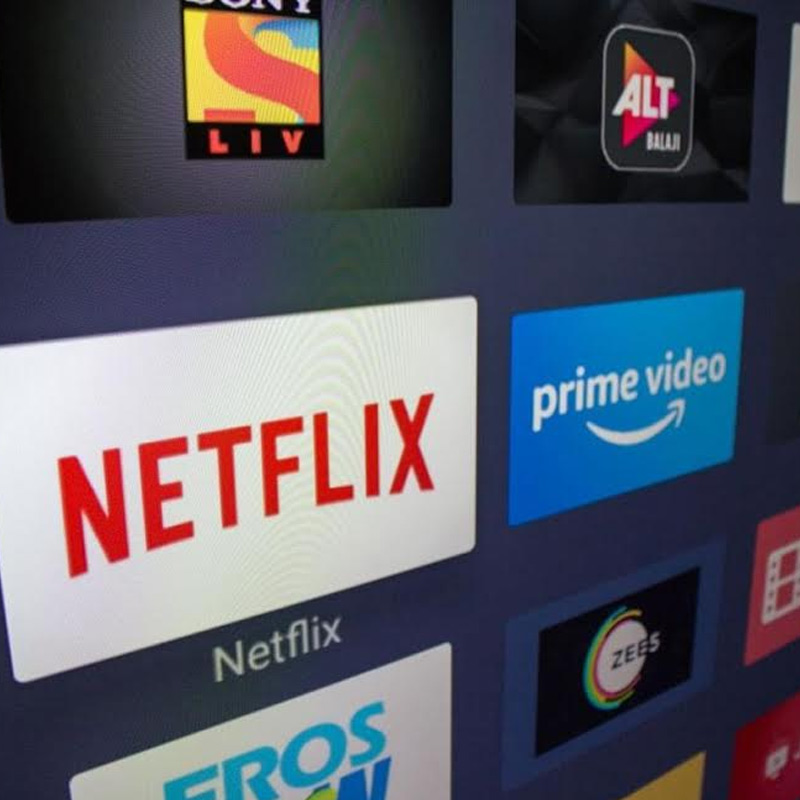
NEW DELHI: The Information Technology (Intermediary Guidelines and Digital Media Ethics Code) Rules 2021, framed under the Information Technology Act 2000, were notified on 25 February 2021. The Rules apply to publishers of online curated content (OCC), intermediaries, including social media intermediaries and significant social media intermediaries (ie those with 5,00,000 or more users), and publishers of digital news and current affairs.
The rules have been issued amidst the backdrop of, and perhaps in response to, various public interest litigation matters that remain pending across the country, alleging that content published on significant OCC platforms is seditious, defamatory, contemptuous, infringing, obscene, offensive, and, or, is otherwise illegal.
Regulation of OCC platforms

The rules prescribe a Code of Ethics and guidelines for OCC platforms and publishers of digital news and current affairs content. These entities and their compliance with the rules will be overseen by the ministry of information and broadcasting (MIB).
The rules prescribe a three-tier regulatory mechanism to ensure publishers (including OCC platforms) comply with the code. Further, the factors to be considered before publication of content on an OCC platform include the effect of the content on the sovereignty of India; whether it could affect friendly relations with another state, incite violence or disturb public order; whether it could affect India’s multi-religious and multi-racial fabric; and, whether its publication would otherwise be prohibited under any law for the time being in force.
The rating categories are to be assigned to the content after considering the depiction of themes and messages, violence, nudity, sex, language, drug and substance abuse, horror within the content and the target audience of the content.
Implications of the rules on OCC platforms in India
Under the Rules, ‘online curated content’ includes content which is owned, licensed, or contracted to be transmitted, and is made available on demand, including through subscription. The definition of ‘publisher of online curated content’ specifically excludes individuals who are not transmitting content in the course of a systematic business, professional or commercial activity.
The Rules apply only to persons engaged in the distribution of content for commercial purposes, and clearly are not intended to regulate user-generated content uploaded on social media platforms. On a plain reading, it appears that the Rules may also regulate channels of social media influencers and celebrities on significant social media platforms such as YouTube, as these channels may be considered publishers of OCC. However, the rules do not make any specific reference to individuals generating content or social media influencers, and the position with respect to social media influencers is unclear. For instance, in the absence of a clarification, content on YouTube channels such as IISuperwomanII would pass the test of being ‘curated catalogues’ as these channels usually contain a mix of comedy sketches, podcasts, interviews, short films and news critiques, addressing an identified audience.
The rules do not expressly address situations where news may be disseminated through non-traditional channels or could be considered to have been disseminated through an OCC platform (for example, Last Week Tonight on Disney+ Hotstar and the ScoopWhoop Unscripted YouTube channel). In theory, such OCC publishers may be required to comply with the entirety of the code, ie part I which addresses publishers of digital news and current affairs and part II which addresses OCC.
The three-tier regulatory mechanism is similar to the self-regulation model that is already in place for non-news and news television broadcasters, and the rules have, therefore, been promulgated as an attempt to provide a level playing field to digital content platforms as opposed to the traditional forms of television and cinema broadcasting.
The rules prescribe sanctions in the form of warning, requiring an apology, reclassification, editing, modification, deletion, and even blocking of access to the publisher of content violative of the rules. The new regulations do not suggest content censorship, and only prescribe matters to be considered before classifying and publishing content. Given that television content in India is quite conservative in comparison to the content currently available on OCC platforms, there is apprehension amongst the stakeholders that OCCs may be subjected to a similar level of ‘excessive’ censorship. However, OCC platforms have a distinct advantage over television – sophisticated software that enables age-gating of content and creation of buckets of content for different age groups. The interdepartmental committee of the MIB should bear this advantage in mind when issuing directions, orders or penalties under the rules.
The rules may encourage OCC platforms to err on the side of caution and restrict the publication of content where apprehensions may arise regarding that content’s rating. This approach may adversely affect content creators’ constitutional right to freedom of speech and expression. In this context, it will be interesting to see whether the rules do, in fact, level the playing field not only in terms of regulation of various media but also result in availability of similar kinds of content across all modes of distribution. In any event, the rules may provide a much-needed structure to the OCC space.
(The note has been authored by Kaushik Moitra, partner and Karnika Vallabh, associate at Bharucha & Partners. The views expressed in this article are their own and indiantelevision.com need not subscribe to them.)







Gaming
Sony raises PS5 prices for second time in under a year
US disc edition jumps $100 to $649.99 as memory costs surge.

MUMBAI: Sony just hit the pause button on affordable gaming because when memory prices skyrocket, even the Playstation has to pay the premium. Sony has announced its second price increase for the Playstation 5 range in less than a year, citing pressures in the global economic landscape and a sharp rise in memory component costs driven by AI demand.
In the US, the PS5 disc edition will rise from $549.99 to $649.99, a $100 hike while the digital edition increases to $599.99. The more powerful PS5 Pro will jump $150 to $899.99. The Playstation Portal remote player will also rise by $50 to $249.99. The new prices take effect on 2 April 2026.
Similar increases have been applied in the UK (£90 per model), Europe and Japan. Sony last raised PS5 prices in the US in August 2025.
“We know that price changes impact our community, and after careful evaluation, we found this was a necessary step to ensure we can continue delivering innovative, high-quality gaming experiences to players worldwide,” Sony said in a blog post.
The hikes come amid an unprecedented surge in memory prices, as manufacturers prioritise supply for AI data centres. Analysts say Sony had likely secured price protections for components that have now expired, forcing the company to protect its hardware margins.
Ampere Analysis research director of games Piers Harding-Rolls told CNBC that further increases from Microsoft and Nintendo would not be surprising, though Nintendo may hesitate to raise the price of its recently launched Switch 2 while establishing the new platform.
The increases arrive eight months before the highly anticipated release of GTA 6, which is expected to drive strong console sales. However, early reactions online have been a mix of disappointment and resignation, with growing concern that premium gaming is increasingly becoming a hobby for higher-income players.
In a sector already grappling with tariffs, inflation and component shortages, Sony’s move underscores a tough reality: even the most popular consoles are not immune to the rising cost of keeping up with the latest technology.








