I&B Ministry
Govt sharpens TRP policy: advisory roles out, conflict of interest curbed

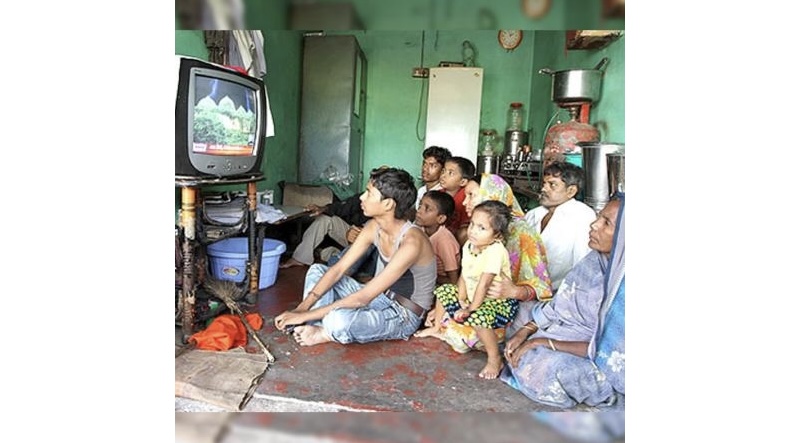
NEW DELHI: In a move set to shake up the television ratings ecosystem, the ministry of information & broadcasting has proposed amendments to its decade-old policy on television rating agencies in India and opened the floor for public comments.
The fresh draft tweaks the 2014 guidelines with sharper guardrails. Among the headline changes: rating agencies must now be Indian-registered companies under the Companies Act, 2013, and are barred from offering consultancy or advisory services that could lead to a conflict of interest with their core job—ratings.
In a bid to declutter the framework, the ministry has deleted clauses 1.5 and 1.7, along with the proviso tagged to clause 1 post explanation.
(Clause 1.5 basically states that “any member of the board of directors of the television rating company shall not be in the business of broadcasting/ advertising/advertising agency.)
(Clause 1.7 states that the company shall comply with the following cross holdings requirements, namely.
(a) No single company/ legal entity, either directly or through its associates or inter-connected undertakings, shall have substantial equity holding in rating agencies and broadcasters/advertisers/ advertising agencies.
(b) No single company/legal entity, either directly or through its associates or inter-connected undertakings, shall have substantial equity holding in more than one rating agency operating in the same area.
(c) The cross-holdings restriction will also be applicable in respect of individual promoters besides being applicable to legal entities.
(d) A promoter company/member of the board of directors of the rating agency cannot have stakes in any broadcaster/ advertiser/advertising agency either directly or through its associates or inter-connected undertakings.
Explanation: For the purpose of para 1.7, substantial equity shall mean equity of 10% or more of paid-up equity. Having a substantial equity holding in companies shall constitute a cross-holding. Provided that the eligibility conditions stipulated at 1.5, 1.6 and 1.7 will not be applicable in the self-regulation model where the industry-led body, such as, Broadcast Audience Research Council (BARC) itself provides the rating.)
The new norms will apply not just to future applicants but also to existing players in the market.
Stakeholders and the general public have 30 days to respond to the draft, preferably via email to the ministry. The consultation marks a significant step towards transparency and credibility in India’s ratings architecture—a space often marred by controversy and trust deficits.
The complete amendment order and policy guidelines are available on the I&B ministry’s website.