Movies
Ghotul film revives tribal wisdom to spark talks on girls’ rights and choice

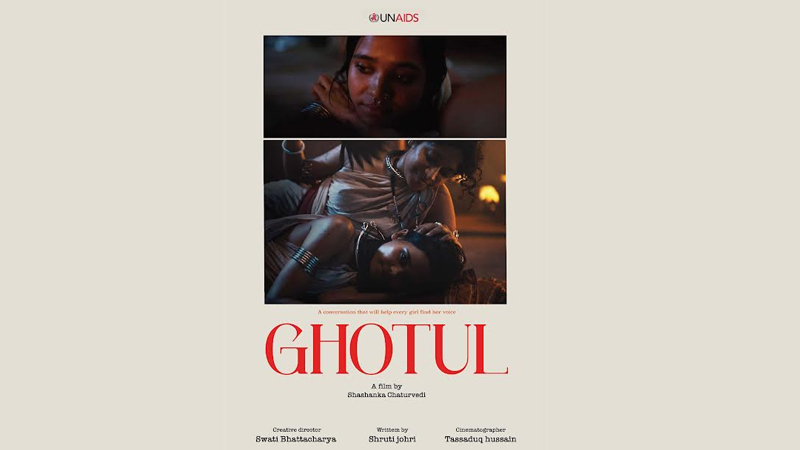
MUMBAI: Silence may be golden, but sometimes it’s deafening. On the International Day of the Girl Child, UNAIDS has dropped Ghotul, a short film that whispers ancient wisdom and shouts modern truth. Drawing from the Gond Muria tribe’s age-old “Ghotul” tradition, the film reimagines how young people can talk openly about love, consent, and the right to make choices, topics often hushed in contemporary India.
Every year, 21 million girls across the globe become pregnant over 11 million of them in India. And each week, 4,000 adolescent girls are newly infected with HIV. The numbers are staggering, but the silence surrounding sex, desire, and bodily autonomy is even louder. Ghotul seeks to break this silence, spotlighting the urgent need for safe spaces where adolescents can speak, listen, and learn without shame.
In Gond culture, the Ghotul was no taboo corner, it was a communal space where elders guided youth through lessons of love and responsibility. The film revives this lost wisdom, using it as a lens to challenge the modern discomfort around sexuality and gender dialogue.
Penned by author and gender inclusion expert Shruti Johri, the 12-minute film is directed by Shashanka “Bob” Chaturvedi of Good Morning Films. The concept comes from advertising veteran and feminist Swati Bhattacharya, with cinematography by award-winning DoP Tassaduq Hussain, of Omkara and Kaminey fame. The cast includes Indira Tiwari, known for Serious Men and Gangubai Kathiawadi, alongside rising actor Puja Kulay.
“This film is about breaking that silence,” says Johri. “It’s an invitation to reimagine a world where our daughters are not guarded like clay pots but guided like rivers, free to choose, to love, and to live without shame.”
For Swati Bhattacharya, the project is about reclaiming lost intimacy in conversations: “In tribal wisdom, elders spoke freely with adolescents about love and growing bodies not to shame them, but to guide them. Today, when the internet fills that void, Ghotul reminds us to bring honest conversations back home.”
UNAIDS executive director Winnie Byanyima puts it plainly: “By knowing the facts and educating young people about their sexual health, we can help them feel safe and stay safe.”
The film has already found fans among some of India’s most influential voices. Producer Guneet Monga praised its “courage, compassion, and cultural depth”, while Apoorva Bakshi, Emmy-winning producer of Delhi Crime, hailed it as “a feminist reframing of indigenous wisdom”. Filmmaker Ashwiny Iyer Tiwari called it “a courageous and tender revival of the spaces our youth desperately need today”.
Journalist Barkha Dutt added a sharp reminder: “Only one in 10 Indian men use a condom. The burden of birth control continues to fall on women. Ghotul opens space for honest conversations about reproductive autonomy. We say ‘our body, our choice’ but is that really the case?”
In reviving a tribal tradition, Ghotul sparks a very contemporary revolution, a reminder that true modernity might lie in rediscovering old wisdom. Because sometimes, to move forward, all we need to do is listen to the voices that spoke first.