iWorld
Gaurav Pradhan and Swati Shetty join Netflix


MUMBAI: In a move to strengthen its team, global video-on-demand player Netflix has hired two senior talents from India. Former YouTube Indian and Southeast Asia product partnerships head Gaurav Pradhan has joined Netflix as director business development Asia, effective from July 2016.
Meanwhile, Netflix LA has also appointed former Balaji Telefilms’s motion pictures president and Samosa Stories Entertainment founder director Swati Shetty.
Pradhan has more than 16 years of experience in business development and has served at Google in business development International product partnerships functions for a year. He has also been a part of Yahoo as the chief manager for telco operations and was the assistant manager for value added services in Hutchison Essar (now Vodafone).

Shetty, on the other hand, was the founder and director of Samosa Stories Entertainment, where she produced Umrika, a film written and directed by Prashant Nair and starring Suraj Sharma (Life of Pi) and Tony Revolori ( The Grand Budapest Hotel ).
The film was selected in the world cinema dramatic competition at the Sundance film festival 2015 and won the Audience Award. Umrika is represented by Beta Cinema internationally, and ICM Partners in North America.
Prior to that, Shetty had worked with Star India for five years as manager; and with Walt Disney International productions India as an executive director.
In April 2016, Netflix roped in Anthony Zameczkowski as vice president, business development for Asia-Pacific. Zameczkowski came with over 17 years of experience in the media and technology industry. At Netflix, his mandate will include leading and managing strategic partnerships and business development in the region.







iWorld
OpenAI hits back at Elon Musk’s lawsuit ahead of trial
Company calls claims “baseless” and accuses Musk of trying to disrupt a rival.
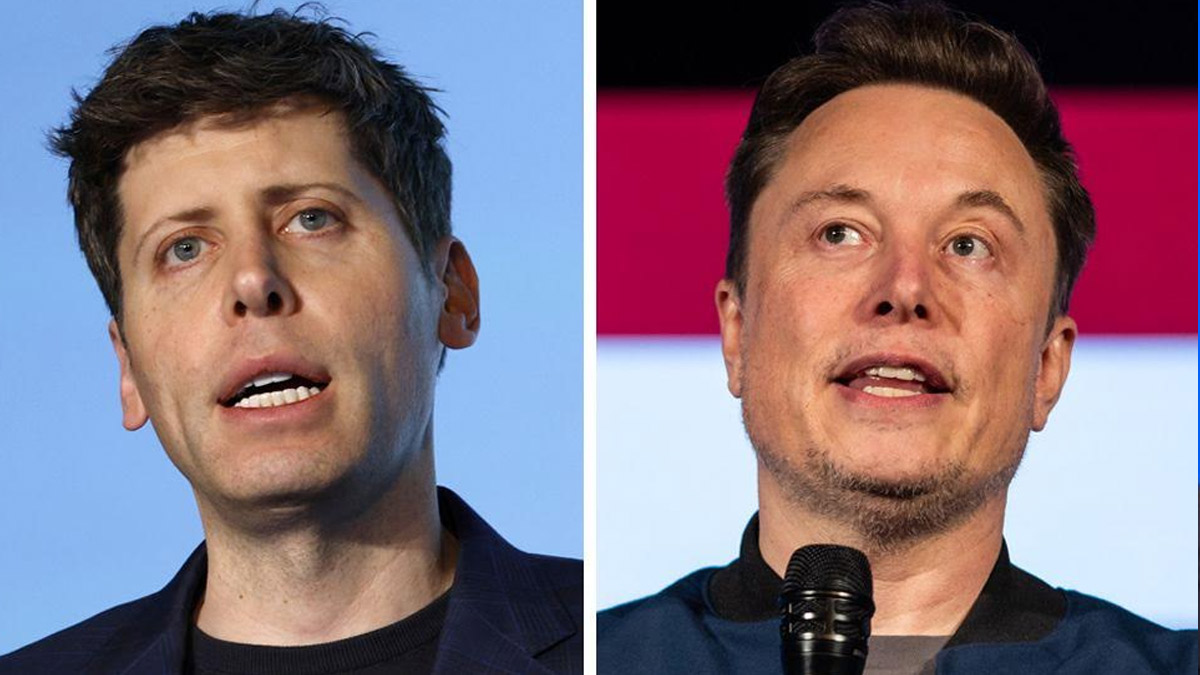
MUMBAI: When the stakes are measured in billions and egos are involved, even Silicon Valley titans can turn a courtroom into a battlefield. OpenAI has issued a sharp public response to Elon Musk’s ongoing lawsuit, accusing the billionaire of filing the case to harass a competitor rather than address genuine concerns. In a strongly worded statement shared on its official X account, OpenAI described Musk’s allegations as “baseless” and suggested the lawsuit is an attempt to disrupt the company as the case heads toward trial later this month in Oakland, California.
The response comes after Musk’s legal team recently amended the complaint, proposing that any damages potentially exceeding $150 billion should go to OpenAI’s nonprofit entity rather than to Musk personally. OpenAI questioned the timing and motive behind this change, calling it a late-stage attempt to “pretend to change his tune” on the nonprofit structure.
The company further labelled the lawsuit a “harassment campaign”, arguing that Musk’s actions are driven by personal rivalry, ego, and a desire for greater control and financial upside.
At the heart of the dispute is Musk’s claim that OpenAI has abandoned its original nonprofit mission of developing artificial intelligence for the benefit of humanity. A co-founder who left in 2018, Musk is seeking governance changes, including the removal of CEO Sam Altman from the nonprofit board, and the return of certain financial gains linked to Altman and President Greg Brockman.
OpenAI has firmly rejected these allegations, maintaining that its current hybrid structure, a public-benefit corporation overseen by a nonprofit parent remains true to its long-term goals. The company has also previously accused Musk of anti-competitive behaviour aimed at weakening its leadership.
As the case prepares for a jury trial, this public exchange highlights the deepening rift between two of the most influential figures in the AI revolution and raises broader questions about governance, mission, and power in the fast-moving world of artificial intelligence.
In the high-stakes game of AI, it seems the real drama isn’t just inside the models, it’s playing out in courtrooms too.






