iWorld
Facebook appoints Avinash Pant as marketing director for India

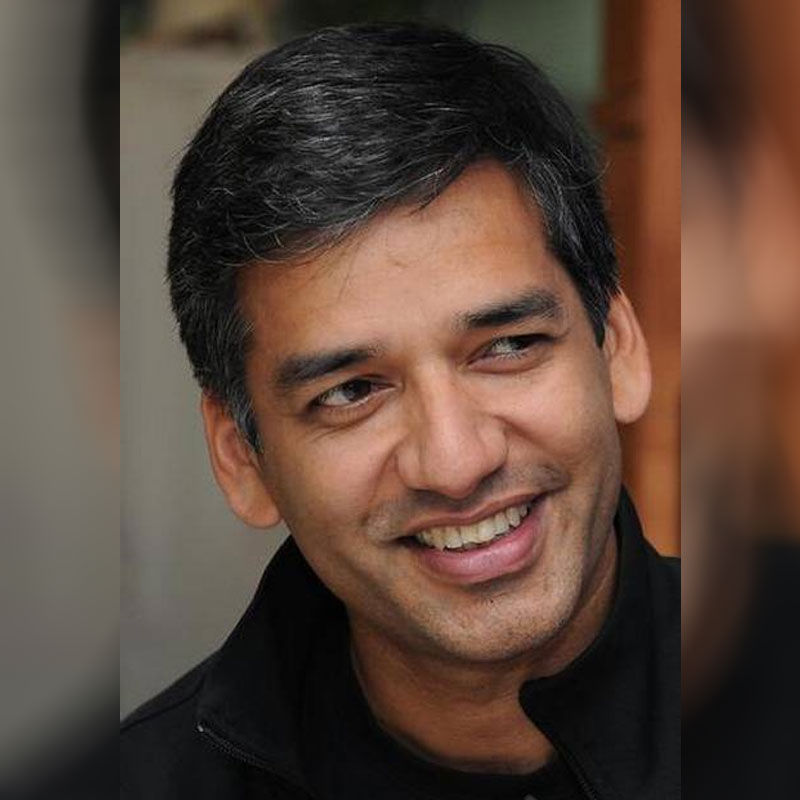
MUMBAI: Facebook today announced a new addition to its leadership team in India, which is driving the charter for the company’s deepening focus in the country. The latest addition to the India leadership team is Avinash Pant, who will take on the role of Marketing Director at Facebook India.
The role of Marketing Director will be a new one at Facebook India, with the mandate to drive the company’s consumer marketing efforts across the family of apps, including Facebook, Instagram and WhatsApp. Pant comes with twenty-two years of experience working with leading consumer brands such as Nike, Coca-Cola, The Walt Disney Company, and most recently, Red Bull. In his last assignment as the India Marketing Director at Red Bull, he was responsible for building the brand in India, especially amongst the youth, through unique partnerships and content related to sports, music, and dance. Pant is an alumnus of the Indian Institute of Management, Ahmedabad. He will report to Ajit Mohan, Vice President and Managing Director, India.
The announcement comes a year after Facebook announced a new leadership structure in India bringing the company’s functions under Ajit Mohan, reporting directly to its headquarters in Menlo Park.

Over the last year, the company has spearheaded several India-focused initiatives with a particular focus on fuelling entrepreneurship and breaking the gender imbalance on the Internet. ‘Boost with Facebook’ and the ‘VC Brand Incubator Program’ were aimed at accelerating the growth of SMBs. In 2019, Facebook also made its first minority investment in a company, Meesho, a social-commerce venture empowering first-time entrepreneurs, especially women in small towns. The company also announced a tie-up with the Government of India’s Common Services Centre (CSC) to provide tools and training to more than 25,000 women in 3000 villages around the country. It was also a year when Facebook announced a ground-breaking partnership with the International Cricket Council (ICC) that made it the exclusive digital content rights partner in the Indian subcontinent for ICC global events.
Said Facebook India VP and MD Ajit Mohan, “We’ve been working towards deepening our mission to build empowered communities, form stronger local partnerships, create economic opportunities for SMBs and entrepreneurs to grow in India, and, to do our part to break the gender imbalance on the Internet. Consumer marketing is a new strategic area of focus for Facebook and one where we will dramatically increase our investment in communicating directly to consumers. Avinash is one of the best marketers in the country, and am delighted that he is joining us on this exciting charter to shape the voice of Facebook’s family of apps in India.”
In the last few months, Facebook has recruited for key roles across multiple functions such as Marketing, Sales, Partnerships, and Policy. Consistent with the new organization structure, these roles have been spread across Facebook, Instagram, and WhatsApp.
“We are dedicated to creating an environment where our people can be their authentic selves and unleash the power of their diverse backgrounds, experiences, and perspectives. Teams at Facebook are focused on channeling that energy to be an ally to India in its exciting journey of transformation and growth,” added Mohan.





iWorld
OpenAI hits back at Elon Musk’s lawsuit ahead of trial
Company calls claims “baseless” and accuses Musk of trying to disrupt a rival.
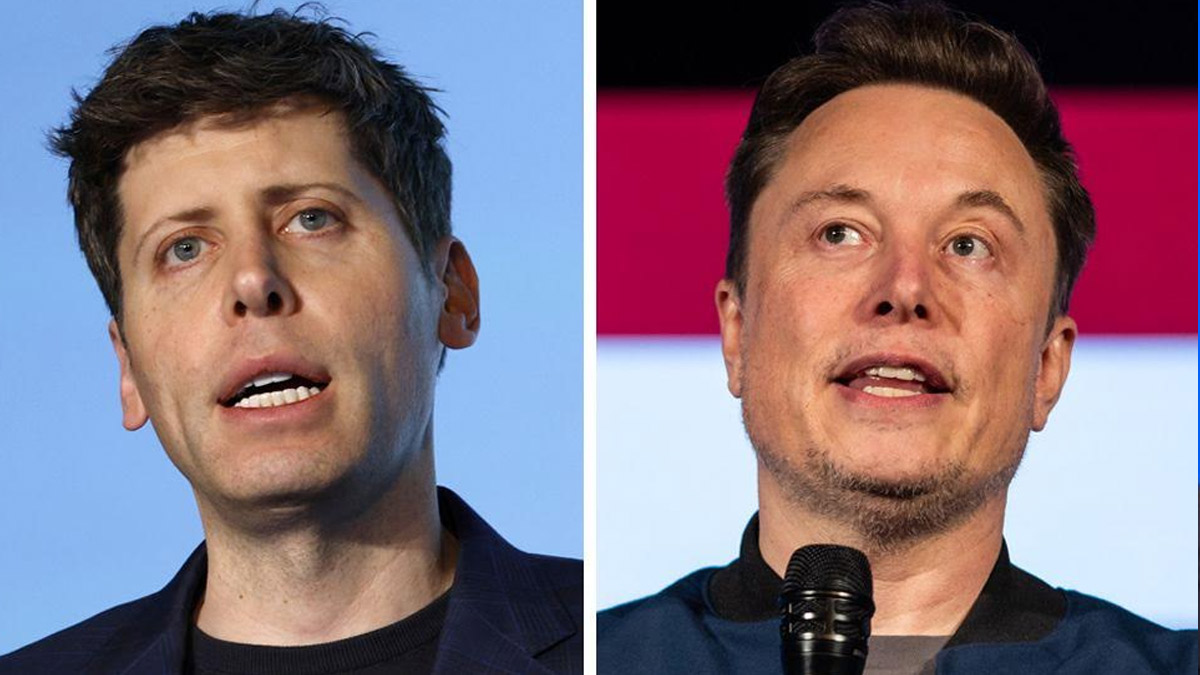
MUMBAI: When the stakes are measured in billions and egos are involved, even Silicon Valley titans can turn a courtroom into a battlefield. OpenAI has issued a sharp public response to Elon Musk’s ongoing lawsuit, accusing the billionaire of filing the case to harass a competitor rather than address genuine concerns. In a strongly worded statement shared on its official X account, OpenAI described Musk’s allegations as “baseless” and suggested the lawsuit is an attempt to disrupt the company as the case heads toward trial later this month in Oakland, California.
The response comes after Musk’s legal team recently amended the complaint, proposing that any damages potentially exceeding $150 billion should go to OpenAI’s nonprofit entity rather than to Musk personally. OpenAI questioned the timing and motive behind this change, calling it a late-stage attempt to “pretend to change his tune” on the nonprofit structure.
The company further labelled the lawsuit a “harassment campaign”, arguing that Musk’s actions are driven by personal rivalry, ego, and a desire for greater control and financial upside.
At the heart of the dispute is Musk’s claim that OpenAI has abandoned its original nonprofit mission of developing artificial intelligence for the benefit of humanity. A co-founder who left in 2018, Musk is seeking governance changes, including the removal of CEO Sam Altman from the nonprofit board, and the return of certain financial gains linked to Altman and President Greg Brockman.
OpenAI has firmly rejected these allegations, maintaining that its current hybrid structure, a public-benefit corporation overseen by a nonprofit parent remains true to its long-term goals. The company has also previously accused Musk of anti-competitive behaviour aimed at weakening its leadership.
As the case prepares for a jury trial, this public exchange highlights the deepening rift between two of the most influential figures in the AI revolution and raises broader questions about governance, mission, and power in the fast-moving world of artificial intelligence.
In the high-stakes game of AI, it seems the real drama isn’t just inside the models, it’s playing out in courtrooms too.






