iWorld
Disney to take charge of Hulu’s scripted originals team
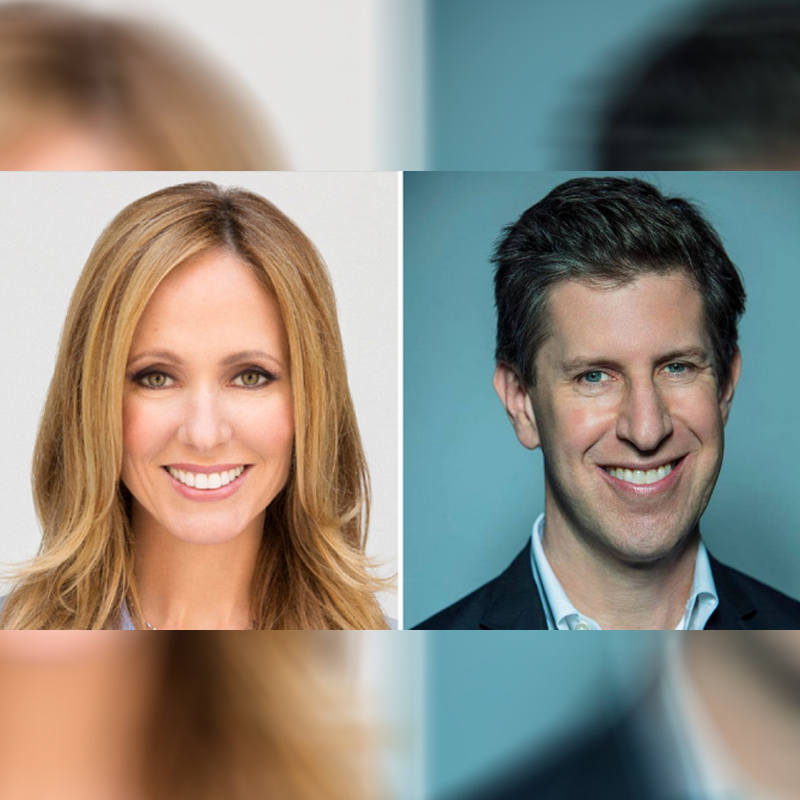
MUMBAI: Following the Disney – 21st Century Fox merger, Walt Disney Television is taking charge of the streaming service Hulu’s scripted originals team. Hulu scripted originals senior vice president Craig Erwich will now report to Disney Television Studios and ABC Entertainment head Dana Walden.
Erwich and his team will not relocate to Disney’s headquarters in Burbank but will remain based out of Hulu's Santa Monica headquarters. But the streamer's unscripted original programming, original film and licensed content teams will continue to report to Hulu CEO Randy Freer.
"As Hulu drives toward its ambitious subscriber and engagement goals, it is important that we take full advantage of the creative resources and production capabilities of Disney Television Studios, which are among the best in the world," Freer said.
"Hulu Originals have been widely recognised for their originality, boldness and high level of quality," Walden said. "They are a meaningful part of what has driven the platform’s impressive growth over the past few years. Craig and his team have done excellent work. I am excited to work with Randy in this next phase of Hulu. This new structure will enable Hulu to have access to many of the best creators in the world and programming from all of the content engines inside of Walt Disney Television," the executive added.
Renowned Hulu originals such as The Handmaid’s Tale, The Act, Catch-22, Castle Rock, The Looming Tower and Pen15 have been launched under Erwich’s leadership who joined the organisation in 2014.

iWorld
Meta plans 8,000 layoffs in new AI-led restructuring wave
First phase from May 20 may cut 10 per cent workforce amid AI pivot.
MUMBAI: At Meta, the future may be artificial but the cuts are very real. The social media giant is reportedly preparing a fresh round of layoffs, with an initial wave expected to impact around 8,000 employees as it doubles down on its artificial intelligence ambitions. According to a Reuters report, the first phase of job cuts is slated to begin on May 20, targeting roughly 10 per cent of Meta’s global workforce. With nearly 79,000 employees on its rolls as of December 31, the move marks one of the company’s most significant workforce reductions in recent years.
And this may only be the beginning. Sources indicate that additional layoffs are being planned for the second half of the year, although the scale and timing remain fluid, likely to be shaped by how Meta’s AI capabilities evolve in the coming months. Earlier reports had suggested that total cuts in 2026 could reach 20 per cent or more of its workforce.
The restructuring comes as chief executive Mark Zuckerberg continues to steer the company towards an AI-first operating model, committing hundreds of billions of dollars to the transition. Internally, this shift is already visible: teams within Reality Labs have been reorganised, engineers have been moved into a newly formed Applied AI unit, and a Meta Small Business division has been created to align with broader structural changes.
The trend is hardly isolated. Across the tech sector, companies are trimming headcount while investing aggressively in automation. Amazon, for instance, has reportedly cut around 30,000 corporate roles nearly 10 per cent of its white-collar workforce citing efficiency gains driven by AI. Data from Layoffs.fyi shows over 73,000 tech employees have already lost jobs this year, compared with 153,000 in all of 2024.
For Meta, the move echoes its earlier “year of efficiency” in 2022–23, when about 21,000 roles were eliminated amid slowing growth and market pressures. This time, however, the backdrop is different. The company is financially stronger, generating over $200 billion in revenue and $60 billion in profit last year, with shares up 3.68 per cent year-to-date though still below last summer’s peak.
That contrast underlines the shift underway. These layoffs are less about survival and more about reinvention. As Meta restructures itself around AI from autonomous coding agents to advanced machine learning systems, the question is no longer whether the company will change, but how many roles will be left unchanged when it does.