DTH
Dish TV’s Jawahar Goel writes to TRAI on rationalizing DTH costs, taxes

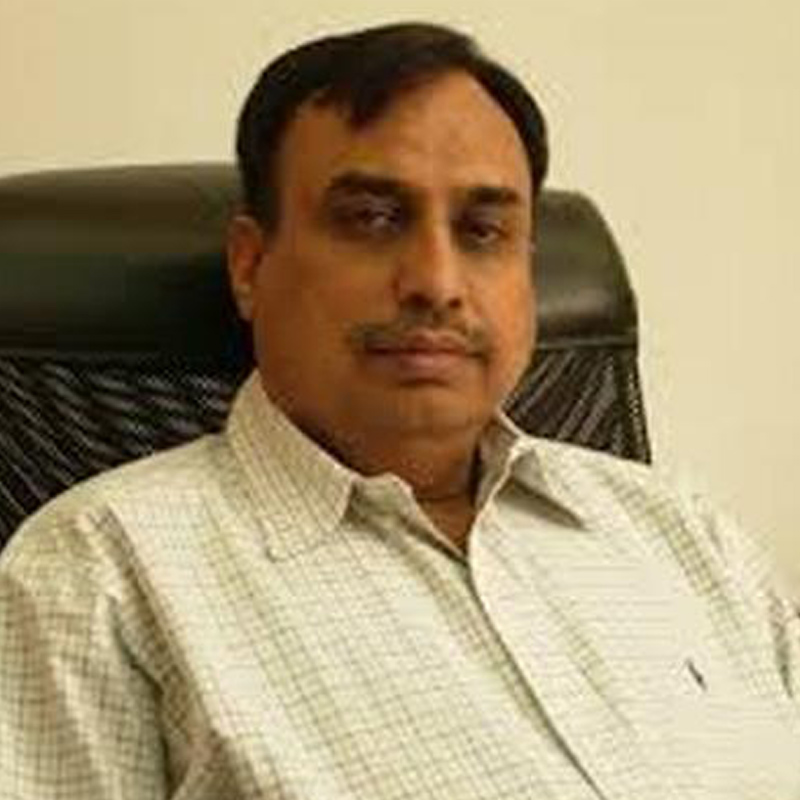
MUMBAI: Even as the Indian government is readying a new DTH policy, aimed at providing some succor to the financially beleaguered sector, Dish TV MD Jawahar Goel has written to the broadcast and telecom regulator TRAI exhorting it to rationalize costs and taxes being levied presently on the operators.
“With regard to our request for allowing deduction of the subscription amount paid to the broadcaster for determining the DTH license fee, it is stated that DTH services operators have been regularly appraising the TRAI and MIB [Ministry of Information and Broadcasting] on the matter of the heavy cost they have been incurring for the provision of the services,” Goel points out in a recent letter.
According to the communication, reviewed by Indiantelevision.com, Indian DTH operators not only pay taxes to the tune of 33 per cent, but also cough up around 30- 35 per cent of their revenue as content cost. There are huge investments in subsidizing the consumer premises equipment to the consumers of which the STB being the major component, the letter states.
Pushing for a major reduction in annual license fee to 6-8 per cent of the gross revenue of an operator, Goyal, who had earlier too bemoaned neglect of the sector by the government, contends that the principle of application of license fee on the adjusted gross revenue (AGR) should be similar to what is done for the telecom sector.
“The AGR in case of DTH service should mean total revenue as reflected in the audited accounts from the operation of DTH, as reduced by (a) subscription fee charges passed on to the pay channel broadcasters (b) sale of hardware including integrated receiver decoder required for connectivity at the consumer premise, [and] service/entertainment tax actually paid to the Central/State government if gross revenue had included them,” Goel argues in his missive to the regulator.
This is not the first time that the feisty Goel has fired salvos at the government and the regulator. Not only has he raised issues pertaining to the DTH sector, but has also voiced his concern on general matters relating to the Indian entertainment and broadcast sectors as Dish TV and its other siblings have had to grapple in recent times with lackluster economy and government apathy.
In an effort to garner more support from the regulator, Dish TV highlights that a consultation paper on the DTH sector prepared by TRAI had acknowledged the satellite platforms needed a level playing field vis-a-vis cable operators who paid no license fee. “The DTH services are subjected to multiple taxation, which inter-alia includes service tax @ 12.36 per cent, entertainment tax at different rates by State governments and VAT@ 12.5 per cent. In addition, if license fee @10 per cent is also added, the cumulative taxation would come to a significant amount, which leads to high incidence of levies and taxes for DTH service[s],” Goel contends.
“Since the Government is in the process of finalizing the terms and conditions of the new DTH license, we would sincerely request you [TRAI] to kindly issue necessary recommendation to the government of India in this regard before such terms and conditions are laid down”, Goel concludes making a case for rationalization of taxes on DTH operators, especially as new content delivery techs like OTT invade Indian shores.
Meanwhile, sources in Ministry of Information and Broadcasting (MIB) tell Indiantelevision.com that the much-discussed new DTH policy is being given final touches before it’s sent to the Cabinet for approval.
“Ideally we would have liked to send the new DTH policy to the Cabinet for approval within 2018 itself, but various government processes, like getting feedbacks from various ministries, could push finalization of the policy to early 2019,” a source in MIB said, adding the government is likely to provide some relief to the sector, though major reduction in the license fee seems unlikely.