iWorld
Digital influence in urban consumers rises up to 70%: Facebook India-BCG


NEW DELHI: Facebook India and Boston Consulting Group have released three new reports that delve into Covid2019-induced changes in the consumer path-to-purchase across mobile phones, apparel, and consumer packaged goods (CPG) categories. The reports are the follow up to the ‘Turn The Tide’ report released last month.
A key takeaway from the latest reports is that digital influence has increased significantly in urban consumers – up to 70 per cent for mobiles , 55 to 60 per cent for apparel, and up to 20-25 per cent for non-food CPG categories.
There are three kinds of consumer trends that we are witnessing that have made the smartphone even more central to our lives – reversal of past trends such as bringing the outside in-home through virtual experiences, acceleration of past trends leading to stronger adoption of digital and online, and formation of new habits such as DIY.
The findings were revealed during a virtual event and panel discussion attended by several leaders of India Inc, and saw businesses such as Samsung India, Mondelez India, and Big Bazaar, all of which have deep offline retail networks, throw light on how they’ve leveraged digital in these times.
Said Facebook India director and head, global marketing solutions Sandeep Bhushan, “We know that digital influence has significantly increased across the path-to-purchase – up to 70 per cent some categories. We are now seeing businesses convert this increased digital influence into tangible business outcomes. A significant digital acceleration has happened on the back of social media, and with 400 million+ Indians connected on the Facebook family of apps in India, we play a consequential role in the consumer journey. The opportunity for businesses now is to adopt new solutions that are now available, across the funnel – replicate in-person experiences by bringing alive virtual experiences, focus on efficiency and truly incremental outcomes by platform, and leverage friction-less ways of staying in touch with the consumer in times of physical distancing.”
The reports also points out that some of these trends are here to stay even beyond the pandemic. 90 per cent of consumers who have purchased apparel online during the lockdown show willingness to continue. Within CPG, this figure is 80% for food related sub-categories, and 84 per cent for non-food related sub-categories. Furthermore, the reports reveal that people intend to explore online channels a lot more for purchasing smartphones, consumer packaged goods, and apparel in the coming six months. For instance, 55 per cent intend to increase online spends for mobile phones in the next six months.
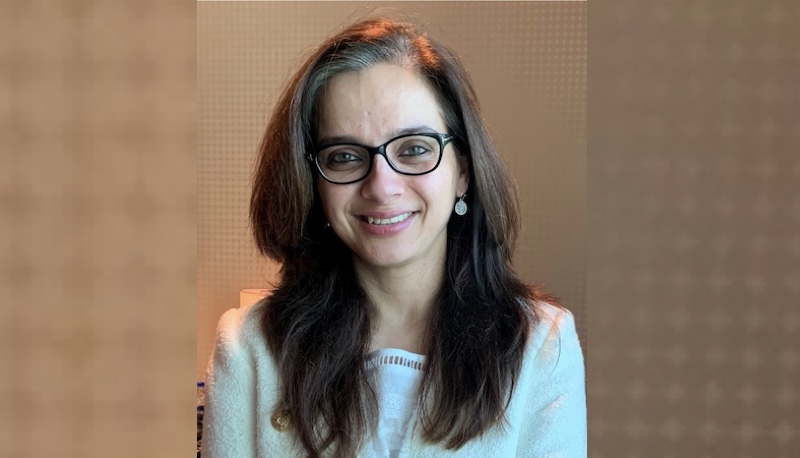
Boston Consulting Group, managing director & partner Nimisha Jain said, “Across mobile, apparel and CPG, we are observing changes in how and what consumers buy. We expect the online sales market for mobiles to touch 45 per cent in the next 2 years. 8 in 10 consumers are avoiding going out, which will lead to casualization of wardrobes. Nearly one in two consumers plan to increase spend on heath and immunity related food products. 70 per cent urban consumers for mobile and 55-60 per cent for apparel will be digitally influenced. It’s critical that brands amp up their digital engagement and customise their proposition to win in the new normal”
How Leading Brands Are Building For The New Path-To-Purchase
Samsung India senior vice president Asim Warsi said, "As India's largest consumer electronics company, we have taken the onus to create new shopper journeys to aid physical distancing by leveraging our digital technologies with our deep retail presence in India. Facebook is our partner in this journey of helping our retail channel discover and target local consumers digitally. In addition, we have enabled consumers to purchase our mobile and electronic products online, whilst getting the deliveries offline from their neighborhood Samsung retail stores. Also, we are now delivering our financing solution – Samsung Finance+ – to the consumers' doorsteps. These digitally forward initiatives have helped us make a sharp recovery post lockdown.”
Mondelez India director-marketing (chocolates) Anil Viswanathan said, “At Mondelez India, we understand the role our products play in our consumers’ life. While essential items continue to remain a key priority amongst consumers, in home snacking has come to take precedence as part of the ritual of spending more time with family or with oneself. Amplified social media influence has also triggered a trend wherein homebound consumers are now increasingly looking at ways to indulge in or create at home moments and in doing so they are predominantly relying on trusted brands like Cadbury, Oreo, Tang etc., which represent superior quality and the assurance of safety amid these uncertain times. Understanding that time and safety are the essence of the moment, we are leveraging all existing channels, and experimenting with new ones ala Direct to Consumer to serve our consumers. The key is to continue to remain agile and adapt to the changing requirements of our consumers and to facilitate ease of service across channels.”
Three Steps Business Can Take Across The Funnel To Build For The Increasing Digital Influence:
Leveraging the cross-industry experience and consumer understanding of Boston Consulting Group and Facebook India, the report also lays out recommendations for mobile, CPG and apparel businesses to explore along the new path-to-purchase. Examples highlighted below.
Pre-Purchase:
o Create digital experiences and influence to replicate in-person experiences: Due to physical distancing, less number of people are likely to walk into a store, experience the product, and make a consecutive purchase. Therefore, more virtual experiences need to be built for the remote living reality.
Brand example: Recently Samsung partnered with Facebook to train offline retailers to go digital in a big way. In the first phase, Samsung and Facebook have already trained more than 800 offline retailers, with more training sessions lined up in the coming weeks. The training is focused on enabling offline retailers build a digital presence through the Facebook family of apps, making their business known locally, and building credibility among the local population by setting-up their business pages and accounts on Facebook, Instagram and WhatsApp. As a result, the offline retailers are likely to witness a growth in their business as they discover more local consumers online.
Purchase:
o Relook at media mix model urgently to build efficiency in acquisition: As businesses, and especially those with traditional product categories, start spending more online, they would feel the urgent need to understand truly incremental outcomes by platform as well as cross-platform efficiency. This would increase the need for industry-leading digital measurement standards.
Brand example: Cadbury 5 STAR ran Facebook and Instagram video ads in 2019, and saw*:
o 2.6X return on ad spend from Facebook as indexed to TV
o 1.8X return on ad spend from Instagram as indexed to TV
o 5.8X return on ad spend from short video ads on Facebook and Instagram
o 1.3X higher return on ad spend from ads with upfront branding
*As per custom mix modelling (CMM) by Nielsen
With the rise in demand for in-home snacking during lockdown, Cadbury Chocolates leveraged their website to bring consumer's favorite snacking brands right to their doorstep. Both Facebook and Instagram were instrumental in getting the message across. Cadbury Chocolates witnessed 1.2x return on investment as a result of this.
Post-Purchase
· Stay connected with your consumer in times of physical distancing: In times of physical distancing, it’s essential to stay in touch with the customer and continuously eliminate friction in the path-to-purchase. Consequently, conversational marketing digital solutions driven by WhatsApp, Facebook Messenger, and digital CRM tools can prove to be very effective to engage the consumer with value-driven outreach after the purchase has taken place.
Brand example: With increased digital adoption (recharges, bill payments etc.) amongst the telecom customers, Vodafone Idea Limited (VIL) launched a WhatsApp chatbot to cater to consumer's needs
Follow Tellychakkar for the consumer facing news & entertainment