Hindi
Deven Varma is no more

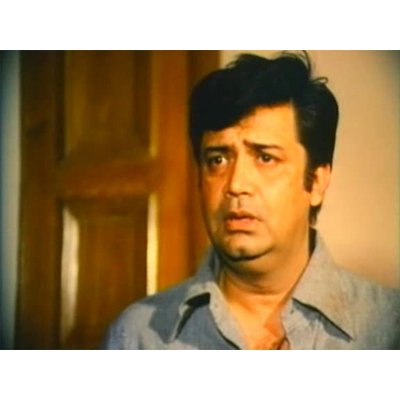
NEW DELHI: The veteran actor who began his career in the black and white era and eventually also became producer and director passed away early this morning in Pune. Aged 78, Varma passed away following a heart attack and kidney failure. He had not been well for some time and had suffered from diabetes and heart problems.
He is survived by his wife Rupa Ganguly, the younger daughter of the late thespian Ashok Kumar.
Born on 23 October 1937 in Pune, Verma studied at the Nowrosjee Wadia College for Arts and Science of the Pune University and graduated in politics and sociology before joining the film industry. The college had organised a function in his honour in 2012 to felicitate Verma as an ‘Eminent Wadian’. Varma was born in a family dealing in silver but his father also got film distribution.
Considered a master of comedy since he never used external props or funny looks to evoke laughter and managed this through his excellent timing, Verma is best remembered for roles in films like Angoor where he had a double role, Golmaal, Chori Mera Kaam, Andaz Apna Apna, Bemisal, Judaai, Dil To Paagal Hai, and Kora Kagaz.
He won three Filmfare awards in his career for performances Chori Mera Kaam, Chor Ke Ghar Chor and Angoor in which he acted with Sanjeev Kumar in the Gulzar-directed Indian version of William Shakespeare’s Comedy of Errors.
Apart from Hindi films, Varma also acted in Marathi and Bhojpuri films.
He started his acting career in 1961 with Dharamputra and was last seen in the 2003 film Calcutta Mail. Some of his new films were ‘Dil To Pagal Hai’, ‘Ishq’, ‘Kya Kehna’, ‘Salaakhein’, ‘Mere Yaar Ki Shaadi Hai’ and ‘Hulchul’. Other films among the 149 he acted in include Khatta Meetha, Naastik, Rang Birangi, and Dil.
He also tried his hands at producing films but failed. Besides producing eight films, Varma directed four films namely Nadaan, Bada Kabutar, Besharam and Daana Paani. Throughout his acting career, he remained a favourite of directors like B R Chopra, Basu Chatterji, Hrishikesh Mukherjee and Gulzar.
As a young man, he participated in dramas and youth festivals. It was while doing stage shows as part of a drama group that actor Johnny Whiskey and he started mimicking film artistes on stage. BR Chopra saw him performing in a one-act show at a function of the North India Punjabi Association and picked him for Dharmaputra. He then went overseas for stage shows.
On return, he was taken by AVM Studios on a contract for Rs 1500 a month for three years. He stayed in Madras where he was coached in acting. During this time, another B R Chopra which starred him, Gumrah was released in 1963 and became a big hit. Apart from this and the earlier Dharmaputra, he acted with Ashok Kumar also in the black and white Aaj aur Kal. After Gumrah, he acted in Qawwali Ki Raat (1964) opposite Mumtaaz, which was her first film. He then acted in Devar (1966), Anupama (1966), and a Bhojpuri film Nahihar Chutal Jaiye opposite Kumkum.
He made it big in 1975 after Chori Mera Kaam, which gave him his first Filmfare Award. At one time, he said in an interview that he had the record of working in 16 movies at one time. Films like his personal favourite Deedar-e-Yaar, Esmayeel Shroff’s Ahista Ahista, Jeetendra’s Pyaasa Sawaan, and Yash Chopra’s Silsila were released.