Connect with us

High Court

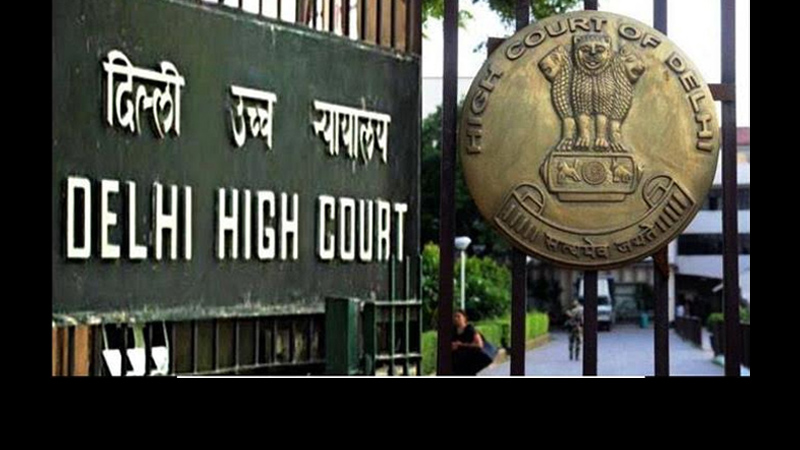
Delhi high court blocks 60 rogue sites for streaming Zee content

Published

on

Mumbai: The Delhi high court granted interim relief to Zee Entertainment Enterprises Ltd, ordering the cessation of unauthorised streaming of its TV shows, movies, and other proprietary content on sixty rogue websites. Justice Mini Pushkarna directed domain registrars to suspend these sites and provide Zee with essential information, including contact details, IP addresses, and locations. Additionally, Internet Service Providers (ISPs) were instructed to block access to the infringing websites.

Represented by advocate Sidharth Chopra, Zee noted extensive unauthorised streaming by defendants 1 through 60—rogue websites hosting popular shows such as Bastar – The Naxal Story, Kakuda, Rautu ka Raaz, and other original series without permission. These sites, operating anonymously, were reportedly profiting from unauthorised access to Zee’s intellectual property by featuring organised and regularly updated content. The suit names defendants 61 to 81 as domain registrars for suspension or blocking of the rogue websites, while defendant 82, Google LLC, is tasked with de-indexing these sites from search results. Defendants 83 to 91, representing Internet Service Providers, were added to restrict access to these websites. The Department of Telecommunications and the Ministry of Electronics and Information Technology, listed as defendants 92 and 93, respectively, were included to provide necessary notifications.

He emphasised the impact on Zee Entertainment, noting that without intervention, ongoing piracy by defendants 1–60 could lead to irreparable harm given Zee’s investment in content production and distribution.

Advertisement

The court further empowered Zee to report any additional websites found to be involved in unauthorised streaming during ongoing proceedings. In cases where a non-infringing site may be mistakenly blocked, the court assured that the site could seek rectification, provided it does not intend to breach Zee’s broadcast rights.

Zee had initially sought a permanent injunction to prevent copyright violations and piracy by these sites, alleging that they profited from illegal streaming. Zee requested that the domain names be blocked or suspended, that registrars and ISPs disclose relevant information and that search engines like Google de-index these sites.

After reviewing Zee’s arguments, the court found the media company had made a case for an injunction, concluding that Zee could suffer harm without this relief. Justice Pushkarna granted an ex parte interim injunction, and the case is set to continue on 7 March 2025.

Advertisement
Click to comment

Leave a Reply

Your email address will not be published. Required fields are marked *

High Court

Bombay HC likely to protect Kartik Aaryan’s personality rights

Actor seeks Rs 15 crore damages over AI misuse, deepfakes and merch

Published

on

MUMBAI: In an age where faces can be faked and voices cloned, even stardom needs legal armour. The Bombay High Court has indicated it will pass an order safeguarding the personality and publicity rights of Bollywood actor Kartik Aaryan, following allegations of widespread digital misuse of his identity.

The matter, heard by Justice Sharmila U. Deshmukh, centres on a plea filed by Aaryan seeking a broad John Doe injunction against 16 defendants, including e-commerce platforms, social media intermediaries and unidentified entities. The court noted the concerns raised and said appropriate orders would be issued.

At the heart of the case lies the growing threat of artificial intelligence-driven impersonation. Aaryan’s petition flags multiple instances of deepfake content circulating across platforms such as YouTube and Instagram, where his likeness has allegedly been used to create fabricated videos, including false romantic link-ups and objectionable scenarios designed to drive engagement.

Advertisement

In one particularly alarming example, the actor’s legal filing cites AI-generated visuals that falsely associate him with controversial global figures, including Jeffrey Epstein. The plea argues that such content not only misleads audiences but also causes serious reputational damage.

The concerns extend beyond content to commerce. The suit alleges that unauthorised merchandise bearing Aaryan’s name and image is being sold across platforms such as Amazon, Flipkart and Redbubble, without his consent. Additionally, the actor has raised red flags over AI-powered chatbots that mimic his voice and simulate conversations, warning of potential misuse in fraudulent activities.

Aaryan’s filing underscores that he is the registered proprietor of the trademark “Kartik Aaryan”, with his name, voice and likeness carrying significant commercial value. The unauthorised use of these attributes, the plea states, leads to “immediate and irreparable harm” to his goodwill.

Advertisement

Seeking both preventive and punitive relief, the actor has requested a permanent injunction restraining entities from exploiting his identity in any form be it name, voice, signature or distinctive dialogue style. He has also sought damages amounting to Rs 15 crore for alleged commercial misappropriation and reputational loss.

The case highlights a larger legal and cultural moment, where the lines between reality and replication are increasingly blurred. As AI tools become more accessible, courts are now being called upon to define the boundaries of identity in the digital age, where a face may be famous, but control over it is no longer guaranteed.

Advertisement
Continue Reading

Advertisement News18
Advertisement
Advertisement
Advertisement
Advertisement Whtasapp
Advertisement Year Enders

Indian Television Dot Com Pvt Ltd

Signup for news and special offers!

Copyright © 2026 Indian Television Dot Com PVT LTD

This will close in 10 seconds