iWorld
Content queen Ekta Kapoor inks storytelling deal with global streamer Netflix


MUMBAI: One’s a streaming juggernaut. The other, a serial storyteller. Together, they’re set to write India’s next big entertainment chapter, one frame at a time.
In a move that could reshape the contours of desi drama for global screens, Netflix and Ekta Kapoor’s Balaji Telefilms Ltd. have inked a long-term creative partnership to co-create a diverse range of stories across formats and genres. The collaboration marks a major milestone for both powerhouses uniting Netflix’s premium production muscle with Kapoor’s cultural storytelling instinct.
With hits like Kathal, Pagglait, Jaane Jaan, and Dolly Kitty Aur Woh Chamakte Sitare already under their belt, the duo’s past collaborations have blended mass appeal with narrative nuance. But this new deal isn’t just a sequel, it’s a universe-expanding reboot.

Netflix India vice-president of content Monika Shergill summed up Ekta’s impact best. She elaborated: “Ekta has been a force in shaping Indian entertainment with unforgettable stories and characters that made it to pop culture, even before hashtags existed. Her creative instinct and deep understanding of the audience’s pulse have consistently set her apart in shaping what India chose to watch and love for more than two decades. At Netflix, our focus is to serve audiences with very diverse tastes and this collaboration will bring unique stories in rooted ways, marking an exciting new chapter in our creative journey.”
Now, with this partnership, Kapoor’s flair for emotionally resonant, rooted tales is set to stream straight into the hearts (and queues) of Netflix’s 300 million-plus subscribers across 190 countries.
For Kapoor, this tie-up isn’t just business, it’s a mission. Says she: “At Balaji Telefilms, storytelling has always been at the heart of everything we do — whether through cinema, television, or digital platforms. Partnering with Netflix, the world’s leading storytelling platform known for its premium content and constant innovation, is a big moment for us. It allows us to bring powerful, culturally rooted, and emotionally resonant stories to a global audience. The beginning of this new collaboration marks an exciting new chapter where we continue to push creative boundaries and deliver content that entertains, inspires, and connects people everywhere.”
The first untitled series from the slate is already in advanced development, and if history is any cue, Kapoor’s next wave of characters will likely live rent-free in the minds of audiences for years to come.
With Netflix betting big on local stories with global resonance and Balaji armed with two decades of insight into what India loves to watch the new partnership promises not just eyeballs, but emotional buy-in. After all, when Balaji’s drama meets Netflix’s dynamism, expect nothing less than a streaming superhit.







iWorld
OpenAI hits back at Elon Musk’s lawsuit ahead of trial
Company calls claims “baseless” and accuses Musk of trying to disrupt a rival.
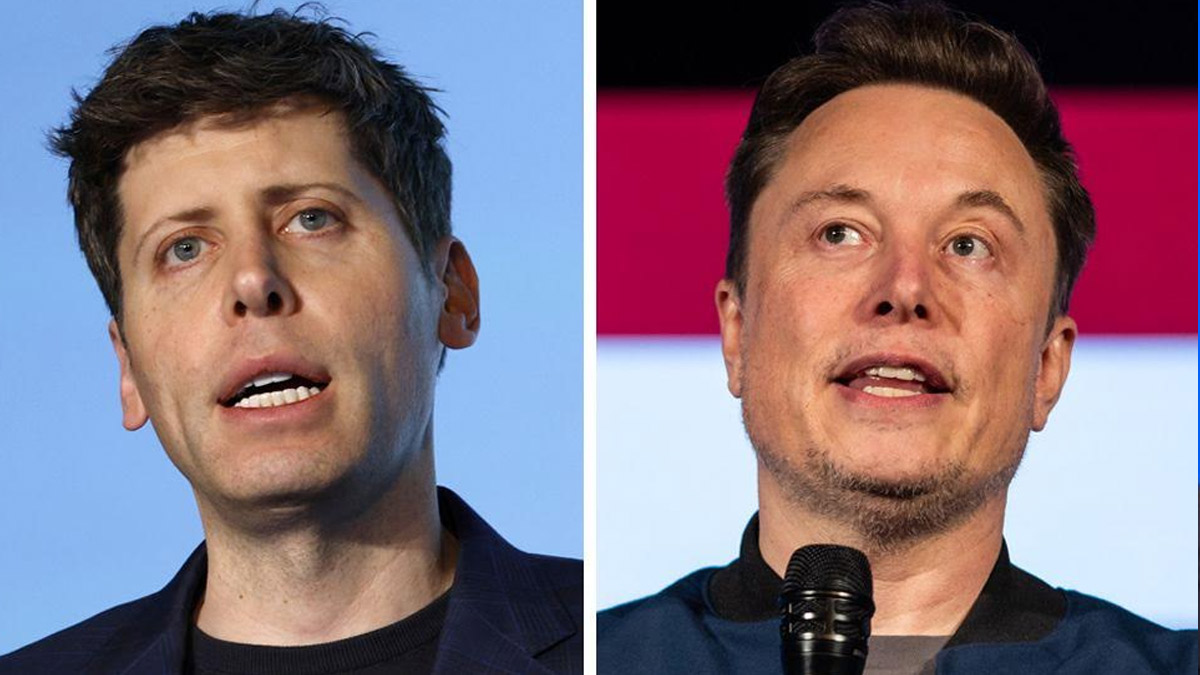
MUMBAI: When the stakes are measured in billions and egos are involved, even Silicon Valley titans can turn a courtroom into a battlefield. OpenAI has issued a sharp public response to Elon Musk’s ongoing lawsuit, accusing the billionaire of filing the case to harass a competitor rather than address genuine concerns. In a strongly worded statement shared on its official X account, OpenAI described Musk’s allegations as “baseless” and suggested the lawsuit is an attempt to disrupt the company as the case heads toward trial later this month in Oakland, California.
The response comes after Musk’s legal team recently amended the complaint, proposing that any damages potentially exceeding $150 billion should go to OpenAI’s nonprofit entity rather than to Musk personally. OpenAI questioned the timing and motive behind this change, calling it a late-stage attempt to “pretend to change his tune” on the nonprofit structure.
The company further labelled the lawsuit a “harassment campaign”, arguing that Musk’s actions are driven by personal rivalry, ego, and a desire for greater control and financial upside.
At the heart of the dispute is Musk’s claim that OpenAI has abandoned its original nonprofit mission of developing artificial intelligence for the benefit of humanity. A co-founder who left in 2018, Musk is seeking governance changes, including the removal of CEO Sam Altman from the nonprofit board, and the return of certain financial gains linked to Altman and President Greg Brockman.
OpenAI has firmly rejected these allegations, maintaining that its current hybrid structure, a public-benefit corporation overseen by a nonprofit parent remains true to its long-term goals. The company has also previously accused Musk of anti-competitive behaviour aimed at weakening its leadership.
As the case prepares for a jury trial, this public exchange highlights the deepening rift between two of the most influential figures in the AI revolution and raises broader questions about governance, mission, and power in the fast-moving world of artificial intelligence.
In the high-stakes game of AI, it seems the real drama isn’t just inside the models, it’s playing out in courtrooms too.






