English Entertainment
Content a ‘Game of Thrones’; AT&T’s control over HBO, Cartoon Network, Warner Bros faces regulatory lens


MUMBAI: The global media landscape is resulting in a new juggernaut as an internet and cable behemoth yesterday purchased an entertainment conglomerate making the former unmatched in its size and reach to consumers through home broadband, smartphones, satellite television and a battery of movies and cable channels. This deal could lead to more cautionary flags than Comcast’s merger with NBCUniversal in 2009.
The US$ 108.7-billion AT&T, Time Warner merger has been met with suspicion as analysts raised antitrust concerns that it would create unfair pricing and lead to further media consolidation. The
cash-and-stock deal values Time Warner – with CNN, HBO, and Warner Bros Studios – at over $85 billion, and involves AT&T taking on its debt.
AT&T, over a year ago, became the nation’s largest pay-TV operator when it acquired DirecTV. Now, Time Warner would give AT&T HBO, CNN, TBS, TNT, Cartoon Network and Warner Bros., Hollywood’s biggest television and film studio. The massive deal has become a subject of discussion in the US presidential campaign. Donald J. Trump, condemning the deal, said he would block it if he were the president, “because it’s too much concentration of power in the hands of too few.” Hillary Clinton has assured to be tough on consolidation and corporate megapowers.
Although the latest merger is considered “vertical integration” as the two broadly do not compete against each other as compared to other “horizontal integration” of similar businesses, regulators could look at other ways AT&T might affect the media ecosystem if the deal were to consummate.
AT&T may possibly make it more expensive for its competitors to gain access to HBO or Time Warner’s content or give preferential treatment to its own programming.
A brief history of media/telecom deals
1995
Turner Broadcasting System and Time Warner announced a $7.5-billion merger, bringing together brands including Warner Brothers, CNN, Time magazine, and the Cartoon Network.
2000
AOL announced its plan to buy Time Warner for over $160 billion.
2005
SBC Corporation acquired AT&T for over $16 billion.
2008
Time Warner spins off its cable unit, which becomes Time Warner Cable (not a part of the current deal).
2009
Time Warner spins off AOL.
2011
Comcast receives regulatory nod for its $30-billion bid to buy a majority stake in NBCUniversal. Comcast took over NBCUniversalm completely in 2013, as GE divested its stake.
2013
Time Warner spins off its Time Inc magazine division.
2014
Verizon buys out Vodafone’s stake in Verizon Wireless for $130 billion, gaining complete ownership. Time Warner turns down $ 80-billion bid from Twenty-First Century Fox.
2015
Comcast drops its $45-billion bid to buy Time Warner Cable after the regulator opposes the merger over concerns of creating an Internet provider and a cable operator with too much control. Verizon purchases for $4.4 billion. AT&T gets government nod to purchase the satellite TV company DirecTV creating one of the largest pay-TV servicen providers to compete with Comcast.
2016
Regulators approved US$ 88-billion merger of Charter Communications with Time Warner Cable and Bright House Networks, creating the third-largest video provider and the second-largest broadband
provider. (Comcast purchased DreamWorks Animation for $3.8 billion to compete against Disney.) Time Warner bought a 10 per cent stake in Hulu for $583 million.
Yahoo and Verizon announced a $4.8-billion merger that would give the latter ownership of the former’s Internet assets. AT&T acquires Time Warner.
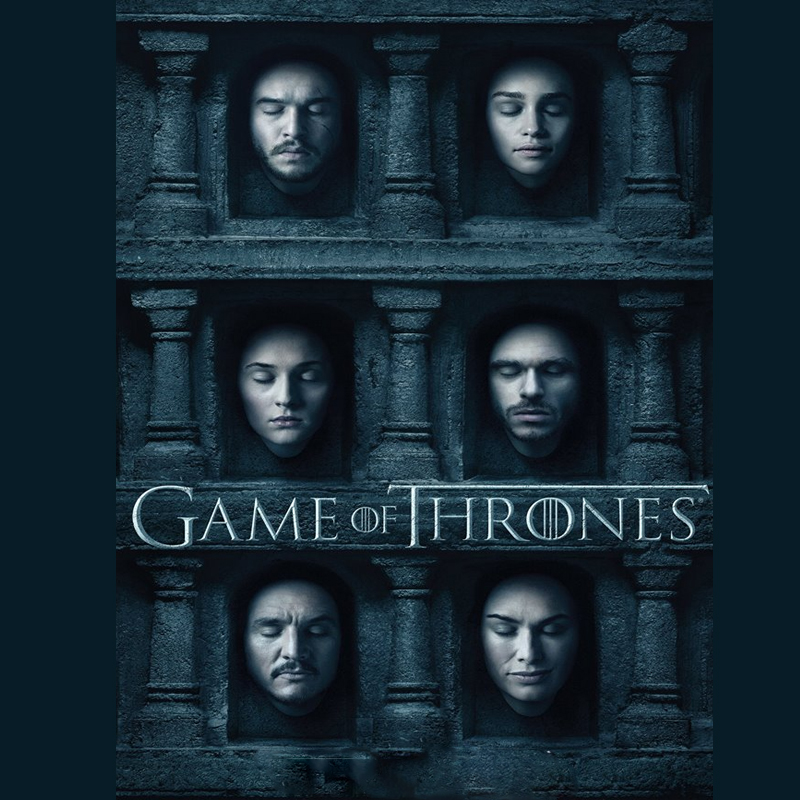
Regulators could seek promises from AT&T and Time Warner to make content from HBO like “Game of Thrones” or cable networks like CNN available through apps or through streaming, not withholding them from competitors, which could be addressed in conditions attached to an approval.