e-commerce
Cash back at the table and the terminal with the new PaisaSave card

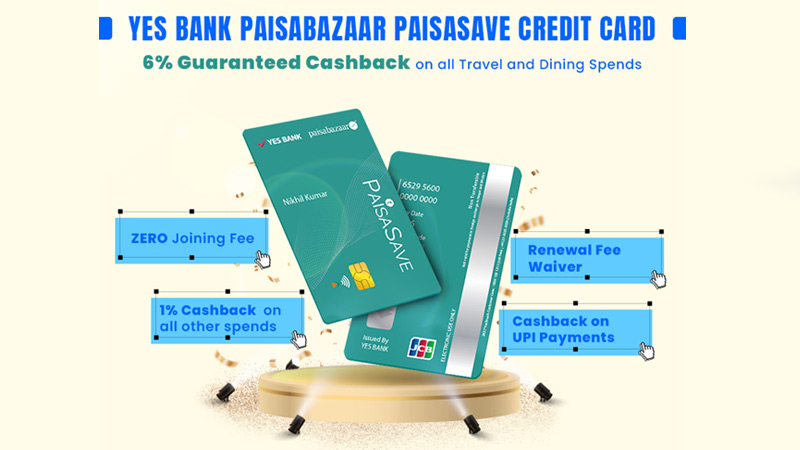
MUMBAI: When eating out and flying off are no longer indulgences but routines, your credit card needs to keep pace. Paisabazaar and Yes Bank seem to have read the room and the receipt with the launch of the upgraded Yes Bank Paisabazaar PaisaSave Credit Card, designed to put serious cashback where India spends most.
At the heart of the revamp is a generous 6 per cent cashback on dining and travel, placing the PaisaSave card among the most rewarding in its category. From food delivery apps and fine-dining platforms to airline tickets, hotels and homestays, the card aims to reward lifestyle-led spending without the usual fine print fatigue.
The numbers do the talking. Cardholders can earn up to Rs 3,000 in cashback every month through accelerated benefits on dining and travel. Even after the monthly cap is reached, spends in these categories continue to earn 1 per cent cashback, ensuring rewards do not simply switch off mid-meal or mid-trip.
Everyday usage has not been left out either. The card offers unlimited 1 per cent cashback on all other online, offline and UPI transactions, alongside a 1 per cent fuel surcharge waiver, making it as functional at the petrol pump as it is at the café counter. Users can also instantly activate a virtual RuPay credit card, enabling UPI-based credit payments, a nod to how India increasingly prefers to pay.
Importantly for value-conscious consumers, the card comes with no joining fee. The annual fee of Rs 499 from the second year onwards can be waived by spending Rs 1.2 lakh in the previous year, keeping the cost-to-reward equation firmly in the user’s favour.
Yes Bank country head for credit cards and merchant acquiring Anil Singh noted that dining and travel continue to drive discretionary spends, with consumers increasingly expecting tangible value in return. The revamped PaisaSave, he said, is built to enhance everyday financial experiences across customer segments.
Paisabazaar CEO Santosh Agarwal pointed to cashback as one of the most persistent consumer demands in credit cards today. With eating out and travel now embedded in urban lifestyles, she said the co-created product focuses on delivering rewards that feel immediate, relevant and genuinely useful.
Accepted across popular platforms including Zomato, Swiggy, Eazydiner, Makemytrip, Goibibo, Airbnb and major hotel chains such as Taj, Marriott and Radisson, the upgraded PaisaSave card positions itself as a companion for a lifestyle that is always on the move and always hungry.
In a market crowded with points, tiers and conditions, Paisabazaar and Yes Bank are betting that straightforward cashback, delivered fast and without fuss, is what today’s card users really want.