
Broadband
Cable TV, DTH players cautiously optimistic on Jio fiber competition

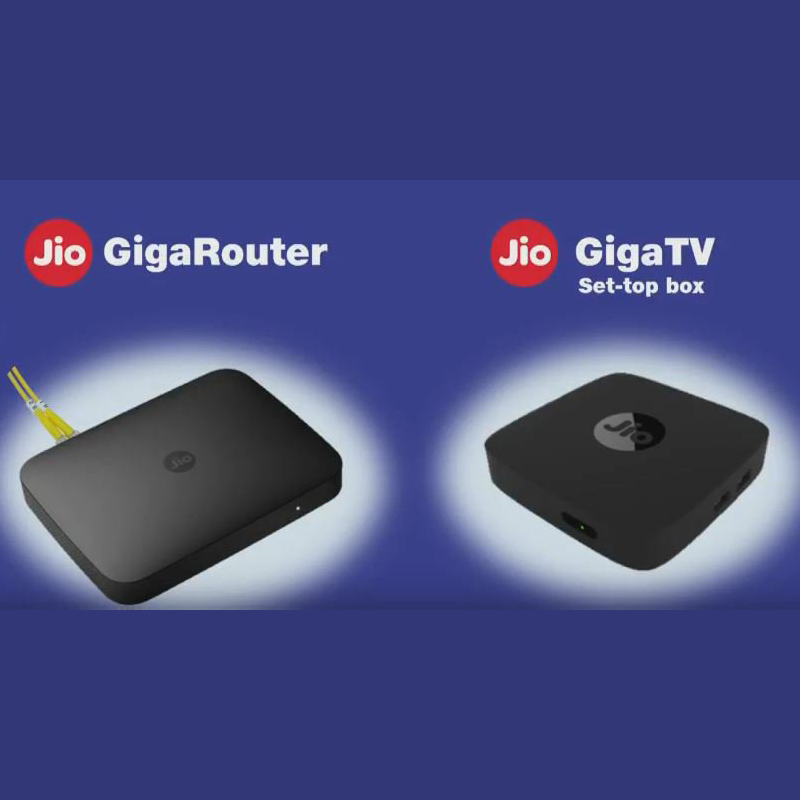
MUMBAI: The terminator…, oops sorry, the disruptor is back. And, this time it is targeting India’s multi-billion-dollar cable TV and DTH businesses with promises to unleash high-speed fixed line fiber-based broadband services that aims to “connect everyone, and everything, everywhere” — at least in 1,100 cities to begin with. No wonder the legacy businesses are eyeing the announcement on the launch of Reliance Jio GigaFiber project with a mix of healthy skepticism and optimism.
“It will be a challenge, but then this would increase general awareness about fixed-line broadband (FLBB) services as penetration of wired broadband is pretty low,” Kerala Communicators Cable Ltd (KCCL) CEO Shaji Mathews told Indiantelevision.com when asked about the big bang launch of Jio GigaFiber from 15 August 2018, which is also backed by Reliance Industries’ money power.
According to Mathews, Jio GigaFiber rollout would help getting the focus back on good quality FLLB services as “over the years the industry in general had been focusing on and talking more about wireless broadband”. KCCL is an initiative of independent cable TV operators in Kerala under the guidance of Cable Operators Association (COA), an umbrella union of over 4,000 local cable operators functioning all over the southern state.
What about the gorilla in the room? Mathews, who has spent almost a life time in the cable TV business, was of the opinion that Jio’s entry into the FLLB segment would “bring true value to real players as the capable cable ops will survive” the competition. “Moreover, as the cable companies are already on ground with existing businesses, they have an added benefit of existing fiber optics,” he added optimistically.
Echoing similar sentiments SITI Networks Limited chief business officer Rajesh Sethi, while accepting further disruption — as in Jio fiber — was expected in the content delivery eco-system, said, “As we keep pace with changing technological trends, the industry is expected to become more multifaceted, efficient and customer centric.”
A senior rep from another MSO company who didn’t want to be named felt that with the entry of cash-rich companies like Reliance Jio, it would help legacy players to “focus better” on the core business. “The new venture of Jio will also bring back investors’ focus on the sector, apart from increased awareness among consumers,” the MSO company exec added while talking to Indiantelevision.com.
India’s FLBB penetration was expected to increase to 10.3 per cent from the present single digit share by year 2022 as per Singapore-based Media Partners Asia research. As content and applications were also getting heavier and denser in size gradually, there were fair chances that Jio could disrupt the market, while other players have equal opportunity too in this segment, the MPA analysis had stated some time back.
An immediate effect of the Jio fiber project announcement was that shares of listed MSO companies like Hathway Cable & Datacom, Den Networks, GTPL Hathway and SITI Networks dropped in the early part of trading on Indian bourses. It must also be mentioned that shares of Reliance Industries too had dipped in early trading as RIL chairman Mukesh Ambani was addressing the shareholders at yesterday’s company annual general meeting.
While the spotlight may be falling on cable operators and MSOs, there is no denying the fact that Jio GigaFiber could also impact the business plans of DTH platforms and incumbent telecom players like Airtel, Vodafone and even State-run BSNL as Jio plans to offer not only just FLBB, but also a host of other telecom and TV services, apart from smart solutions for the retail consumer’s home, in general.
India’s DTH players, for example, felt that while fiber-based broadband services could be a good option for high-rise residential complexes in urban Indian cities, it would be a challenge to lay fiber in far-flung hilly areas or take the lines into homes in those places where houses are horizontally laid out.
For cities like Mumbai, Bengaluru and Gurugram, having rows and rows of high-rise gated residential complexes, fiber based broadband services was a good opportunity, but it would be an expensive affair for a row of houses, DTH operator Dish TV’s managing director Jawahar Goel was quoted by BloombergQuint as saying. He added: “For delivering the cable and DTH services, we will always have the competitive edge, as our cost is lesser.”
Telcos like Bharti Airtel, considered India’s biggest operator in terms of market and subscriber shares, however, are expected to react to the impending Jio competition in FLLB by cutting subscription rates and handing out higher monthly data packages to consumers at reduced costs.
Over the last few months, Airtel, for example, has been aggressively attempting to sell its high-speed digital fixed line broadband services to existing consumers in Delhi and National Capital Region, which includes areas like Gurugram and places like Vaishali and Kaushambi in Ghaziabad district and Noida — all having rows of high-rise residential complexes of various sizes with varied population.
Meanwhile, telecom industry body Cellular Operators Association of India (COAI), which has been at loggerheads with member Reliance Jio over a slew of issues in the past, yesterday termed Jio’s fixed-line fiber broadband system as a “game changer” and said the company garnering over 200 million mobile users in a short span of time is “commendable”, according to a Press Trust of India report from New Delhi.
“The announcements made by Mukesh Ambani (RIL chairman) have positioned RJio as an extensive technology company rather than just a telecom service provider. This is an interesting development and once the plans laid out today start taking shape, we can expect new streams of revenue to be initiated that will benefit the industry,” COAI director-general Rajan S Mathews was quoted by the wire service as having said in a statement.
The PTI report also took note of a latest note from JP Morgan that said while there were no details yet on pricing of the upcoming optic fiber broadband service, it was of the view that given Jio’s customer acquisition strategy, the launch pricing should effectively be at a “large discount” to current broadband and set top box pricing prevalent.






