Cable TV
Cable frat calls nationwide strike over service tax

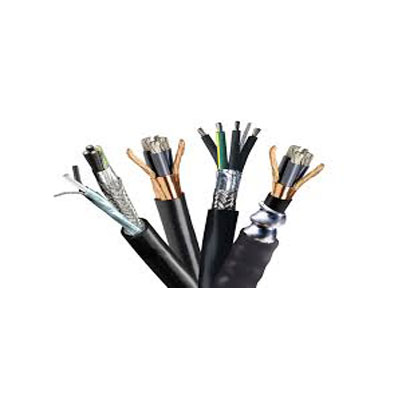
NEW DELHI: The cable fraternity has threatened that from tomorrow (17 August), TV screens would go on the blink, as all cable services will be stopped, except for news channels.
The reason for this nationwide strike by cable operators and multi-system operators, under the aegis of All-India Cable TV Forum, is to protest against the imposition of 8 per cent service tax on the cable industry.
Pointing out that service tax would “cripple” the cable industry as any increase in cable prices is resisted strongly by subscribers, Siti Cable head Jawahar Goel said that under these circumstance, cable operators and MSOs are left with no alternative but to go on an all-India “indefinite strike.”
All major towns of India will stop the services of cable TV from 17 August morning. However, four news channels will remain operative on cable TV services during the strike period in public interest. The Forum has appealed to all subscribers to bear with it and “support us in our fight to abolish the unjustified service tax.”
Some of industry bodies and companies that have come together to support this strike include Hathway Datacom (Win cable), Siti Cable, RPG, Trinity Platco (formerly Spectranet), Cable Operators United Front (COUF), CODA (Mumbai), Forum of Cable Operators, Kolkata, Tamizhaga Cable TV Urimaiyalargal Sangam, Chennai, Rajasthan Cable Operators Front, Federation of Punjab Cable Operators, Avishkar and Punjab Cable TV Network Association.
However, striking a discordant note was Hinduja Group MSO InCableNet. Speaking on behalf of Mumbai’s biggest MSO, Ashok Mansukhani, executive vice-president, corporate services, Hinduja TMT (parent of INCableNet), explained his company’s stand thus: “We would like to carry out further dialogue with the government on the issue of service tax and have requested the authorities to sympathetically consider the memorandum given in this regard to the Central Board of Excise and Customs.”
“We would prefer to await the final budgetary proposals likely to be moved by the finance minister shortly before taking any such steps as they are not in the interests of the consumer,” Mansukhani added.
Cable operators in Bangalore also said they were not joining the agitation, saying the strike call had been given with too short a notice.
Meanwhile, In a letter to the finance and the IT & telecom ministers on the service tax issue, the Forum has urged the government to abolish the tax and stated, “The cable TV operators and MSO are disappointed by the non-supportive attitude of the government regarding our legitimate demand for abolishing the service tax on cable TV services in India.”
According to Goel, cable operators have been pursuing with the government for withdrawal of service tax for long, but instead of its withdrawal, the tax net has been extended to include MSOs also. Cable operators are being
forced by the government to increase the subscription from consumers as at present they are not collecting any tax from public/ subscribers.
The tax that is being paid comes from the collection of cable operators and this is a reason for poor collection by the State exchequer, Goel said, adding that this tax is not justified at all on the subscribers of the cable TV, which is the general public.
Why should service tax be abolished on cable services? The Forum in the letter to the finance minister has listed the following reasons:
1) Cable TV has become a necessity for general public and a very important source of information. The information and news are provided immediately as and when it happens and much earlier than even the latest newspaper reports. Cable TV revolution has helped the nation to integrate (debatable, though). Cable TV advantages warrant tax-free regime for the industry. Entertainment content is carried by newspapers to make reading more interesting. Similarly, cable TV carries entertainment so that information and education can be made available to subscribers at large.
2) Tax will put extra burden on the public and may make cable TV out of reach of general public.
3) No other parallel services like DTH or broadband have any service tax levied on them.
4) Service Tax on Cable TV is not justified as it is part of the entertainment industry and no other sector of the entertainment industry has any service tax levied on it.
5) Cable operators are self-employed small businessmen and have no infrastructure to collect such taxes. This will encourage inspector raj once again and stop the growth of this industry.
6) There is no contribution from the government at any level to the cable operators.