iWorld
Budget 2020: BharatNet boost to have positive impact on OTT platforms

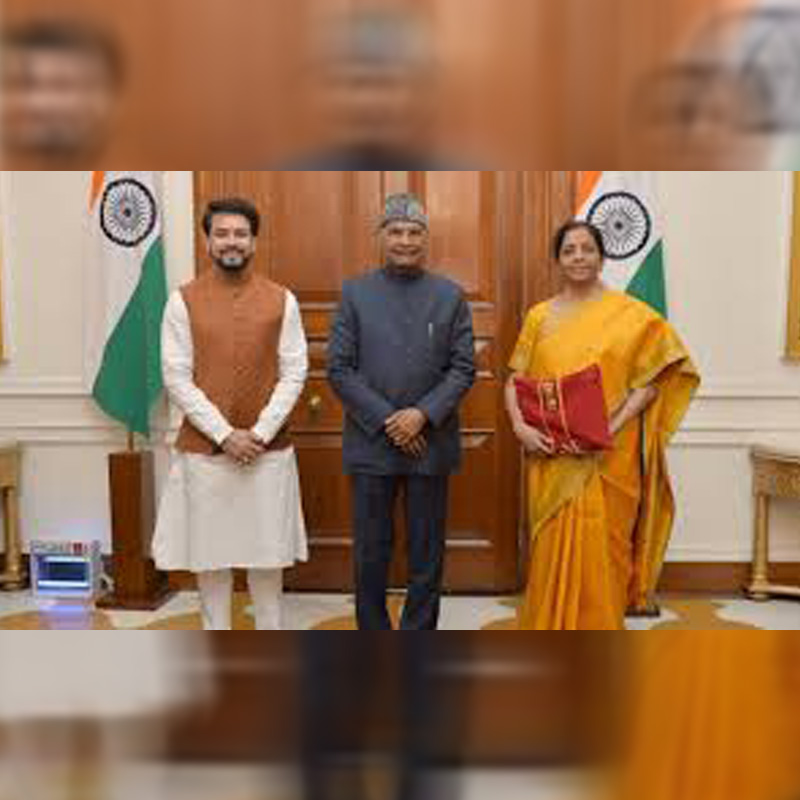
MUMBAI: While the media and entertainment industry is heading towards a digital future on the back of streaming services, budget 2020 seems to bolster it. Finance minister Nirmala Sitharaman on Saturday proposed to allocate Rs 6,000 crore for the BharatNet programme in 2020-21. The boost to broadband connectivity in rural areas is making OTT platforms hopeful about uptake in online video consumption.
"Our vision is that all public institutions at the gram panchayat level such as anganwadis, health and wellness centres, government schools, PDS outlets, post offices and police stations — all will be provided digital connectivity. The fibre to the home (FTTH) connection through BharatNet will link 100,000 gram panchayats this year itself," Sitharaman said.
ALTBalaji CEO Nachiket Pantvaidya appreciates the step to promote digital connectivity through its BharatNet programme and connecting 100,000-gram panchayats through optical fibre network. According to him, this is one more important step taken in the direction of achieving the vision of a digital India where rural India gets placed on the digital map.

The over-the-top platforms are heavily reliant on internet connectivity for better penetration. Moreover, numerous industry experts and reports have suggested that tier II and tier III cities, rural areas are the next frontier of growth for OTT platforms. Hence, the move will help them to expand more in those markets.
"We appreciate the efforts of the government to boost the digital ecosystem in the country. The increased focus on improving connectivity under the BharatNet scheme and the emphasis on artificial intelligence will allow OTT players to offer bespoke and personalised solutions to consumers. Additionally, the impetus to the smartphone manufacturing industry will make internet consumption accessible to a wider section of Indian society that will expand the scope of revenues for OTT players. The allocation of Rs 8,000 crore for setting up the National Mission on Quantum Computing and Technology will also boost the development of the industry by making resources cost-effective," Gaana CEO Prashan Agarwal stated.
“It is now a cliché – “data is the new oil” and it is true that analytics, fintech and internet of things (IOT) are changing the way we deal with our lives. To take advantage of this, I propose to bring out soon a policy to enable the private sector to build Data Centre parks throughout the country. It will enable our firms to skillfully incorporate data in every step of their value chains,” Sitharaman added.
White Rivers Media chief executive officer and co-founder Shrenik Gandhi said that data and digital occupied the centre piece of the budget. He added that the focus on IoT, Data Parks, AI shall make India a strong contender amongst the top digital economies, globally and the ambitious fibre to home proposal should get the next 100 million in the digital universe soon.
“75 per cent of the users that come on to the internet for the first time between now and the next few years are going to come from tier II and tier III cities as per various industry reports and the vast majority of them are regional language native speakers who don’t necessarily converse in English or Hindi as their language of preference. Anything that is done to bring them to the digital foray essentially allows regional platform like Hoichoi to influentially expand the addressable user base over time and this is a welcome move. Next set of users are to be brought in the digital fold and it not just the combination of digital apps that will benefit from this, it’s also the information and social media apps that will benefit from wider availability of the internet at the grassroot level,” Hoichoi co-founder Vishnu Mohta commented.
"Budget 2020's revised fiscal deficit target of 3.8 per cent of the GDP seems more realistic and focus on spends/ benefits was required to boost the economy. The thrust on entrepreneurship and tax regulations for both, startups and taxpayers is a move in the right direction. India is the third largest startup hub globally and the announcement of an investment clearance cell to provide end-to-end support to startup founders will encourage more youth to be job creators. Further, the ability to defer taxes on ESOPs will democratise wealth creation for startup employees, ensuring the right talent is benefitted. Finally, the decision to grant 100% tax exemptions to sovereign wealth funds on their investment in priority sectors will provide the much needed funding boost to the sector and create value in the longer run,” Pocket Aces VP of Finance and Operations Kunal Lakhara said.






iWorld
OpenAI hits back at Elon Musk’s lawsuit ahead of trial
Company calls claims “baseless” and accuses Musk of trying to disrupt a rival.
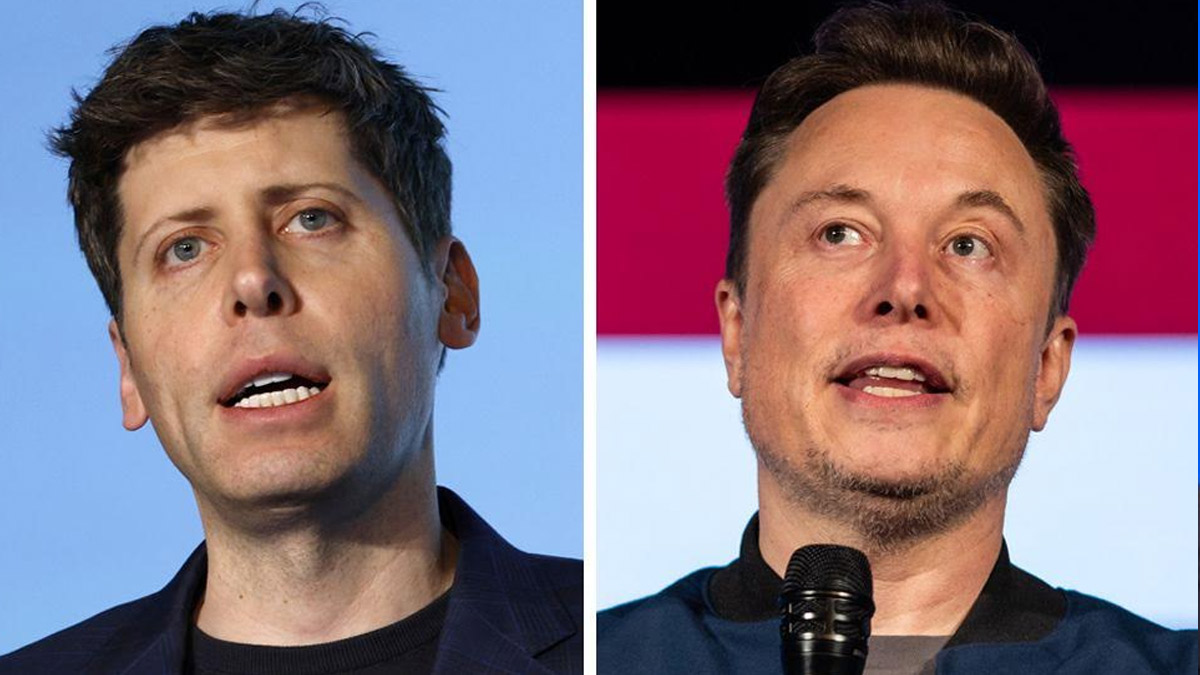
MUMBAI: When the stakes are measured in billions and egos are involved, even Silicon Valley titans can turn a courtroom into a battlefield. OpenAI has issued a sharp public response to Elon Musk’s ongoing lawsuit, accusing the billionaire of filing the case to harass a competitor rather than address genuine concerns. In a strongly worded statement shared on its official X account, OpenAI described Musk’s allegations as “baseless” and suggested the lawsuit is an attempt to disrupt the company as the case heads toward trial later this month in Oakland, California.
The response comes after Musk’s legal team recently amended the complaint, proposing that any damages potentially exceeding $150 billion should go to OpenAI’s nonprofit entity rather than to Musk personally. OpenAI questioned the timing and motive behind this change, calling it a late-stage attempt to “pretend to change his tune” on the nonprofit structure.
The company further labelled the lawsuit a “harassment campaign”, arguing that Musk’s actions are driven by personal rivalry, ego, and a desire for greater control and financial upside.
At the heart of the dispute is Musk’s claim that OpenAI has abandoned its original nonprofit mission of developing artificial intelligence for the benefit of humanity. A co-founder who left in 2018, Musk is seeking governance changes, including the removal of CEO Sam Altman from the nonprofit board, and the return of certain financial gains linked to Altman and President Greg Brockman.
OpenAI has firmly rejected these allegations, maintaining that its current hybrid structure, a public-benefit corporation overseen by a nonprofit parent remains true to its long-term goals. The company has also previously accused Musk of anti-competitive behaviour aimed at weakening its leadership.
As the case prepares for a jury trial, this public exchange highlights the deepening rift between two of the most influential figures in the AI revolution and raises broader questions about governance, mission, and power in the fast-moving world of artificial intelligence.
In the high-stakes game of AI, it seems the real drama isn’t just inside the models, it’s playing out in courtrooms too.






