iWorld
Brightcove predicts seismic shift in global streaming


Mumbai: Brightcove has predicted a significant global shift in how brands, enterprises, creators, and influencers engage, influence, and interact as they emerge as producers with true agency and ownership of their distribution and platforms and not just creators of their content, according to Brightcove Inc.
With video streaming increasing and the value of the market, according to Fortune Business Insights, set to top $1.6 trillion by 2029, the trusted leader in streaming technology is expecting significant changes, including diversification amongst creators and a shift to more engaged direct marketing models for content owners.
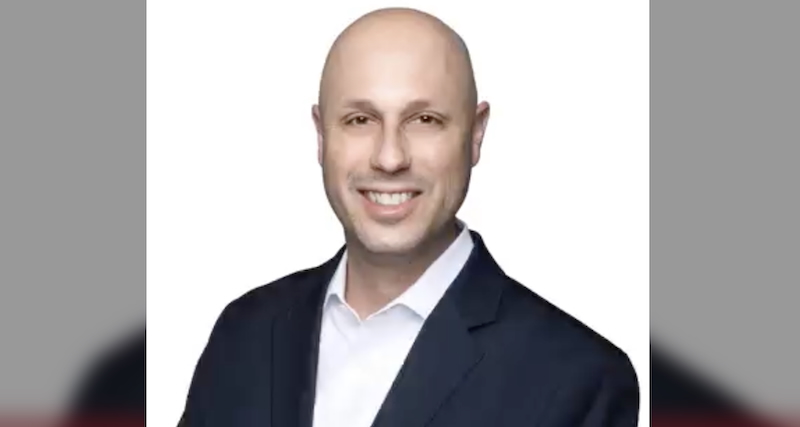
Commenting on the same, Brightcove chief executive officer Marc DeBevoise said, “Platforms such as YouTube and Netflix have helped take the industry forward to where we are now, but we do not believe these aggregator platforms and services are going to be enough going forward.”

“We see a fundamental shift to owning content, its distribution and monetization, and its distribution platform, with the development and release strategy to super-serve the most loyal and highest-value followers, customers, and fans. The internet and streaming have allowed all of these producers to have a more defined and controlled voice, truly own their digital future, and control how their stories are told. Brightcove calls this phenomenon the producer economy,” added DeBevoise.
The producer economy is the concept that brands and creators can now have more control over content creation, distribution, and monetization by building robust, multi-channel businesses across multiple established platforms and creating their own direct-to-audience platforms for their deepest and most loyal users, adding control over their first-party data.
Brightcove highlighted its key predictions for this emerging trend during Brightcove PLAY Season 1, a streaming experience that features over 30 episodes of unique expert insights on how businesses can leverage the power of streaming to grow their digital businesses and reach. These predictions include:
- Creators will seek broader distribution and new ways to monetize content, including working with and extending beyond existing aggregators and services. Creators will diversify to own their own capabilities in creation, distribution, and audience, creating their own direct-to-consumer channels, endpoints, sites, apps, and free ad-supported streaming TV (FAST) channels.
- All companies and brands with consumers or customers on the internet will embark on further digital transformation and expand their audience reach across various owned and controlled channels, utilising social networks and platforms.
- The streaming ecosystem will evolve to enable creators to become producers with the ability to create, upload, store, manage, distribute, own their own platforms, own their data, and measure their content at all times.
“The move from creator to producer is critical. We currently operate in a robust market for streaming, and we also know how rapidly things can change. Brands and businesses must be able to tell their stories and stream videos to audiences on all digital platforms, including their own and third-party platforms. If you’re not ready now as a company, you will need to be very soon, or you won’t have the consumers and customers you have today,” said DeBevoise.


iWorld
OpenAI hits back at Elon Musk’s lawsuit ahead of trial
Company calls claims “baseless” and accuses Musk of trying to disrupt a rival.
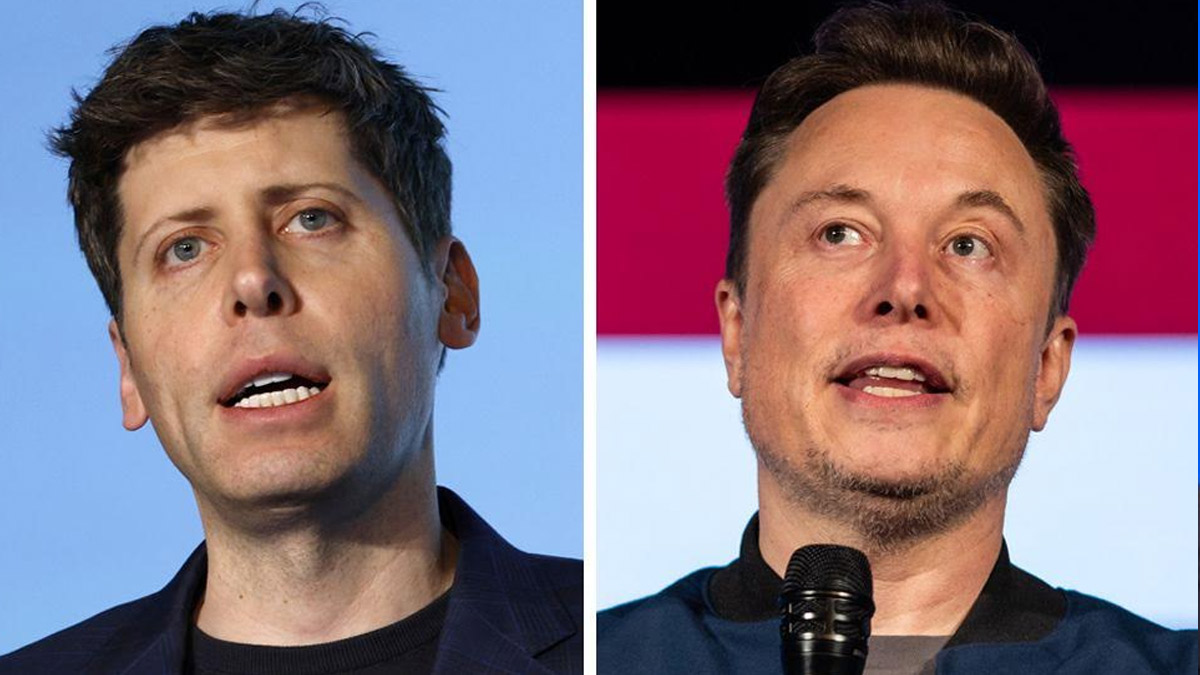
MUMBAI: When the stakes are measured in billions and egos are involved, even Silicon Valley titans can turn a courtroom into a battlefield. OpenAI has issued a sharp public response to Elon Musk’s ongoing lawsuit, accusing the billionaire of filing the case to harass a competitor rather than address genuine concerns. In a strongly worded statement shared on its official X account, OpenAI described Musk’s allegations as “baseless” and suggested the lawsuit is an attempt to disrupt the company as the case heads toward trial later this month in Oakland, California.
The response comes after Musk’s legal team recently amended the complaint, proposing that any damages potentially exceeding $150 billion should go to OpenAI’s nonprofit entity rather than to Musk personally. OpenAI questioned the timing and motive behind this change, calling it a late-stage attempt to “pretend to change his tune” on the nonprofit structure.
The company further labelled the lawsuit a “harassment campaign”, arguing that Musk’s actions are driven by personal rivalry, ego, and a desire for greater control and financial upside.
At the heart of the dispute is Musk’s claim that OpenAI has abandoned its original nonprofit mission of developing artificial intelligence for the benefit of humanity. A co-founder who left in 2018, Musk is seeking governance changes, including the removal of CEO Sam Altman from the nonprofit board, and the return of certain financial gains linked to Altman and President Greg Brockman.
OpenAI has firmly rejected these allegations, maintaining that its current hybrid structure, a public-benefit corporation overseen by a nonprofit parent remains true to its long-term goals. The company has also previously accused Musk of anti-competitive behaviour aimed at weakening its leadership.
As the case prepares for a jury trial, this public exchange highlights the deepening rift between two of the most influential figures in the AI revolution and raises broader questions about governance, mission, and power in the fast-moving world of artificial intelligence.
In the high-stakes game of AI, it seems the real drama isn’t just inside the models, it’s playing out in courtrooms too.






