Cable TV
Branded ‘Big’, ADAG’s FM venture targets 12 October launch


MUMBAI: The Anil Dhirubhai Ambani Group (ADAG) is entering the final stages of preparation for its “Big” bang entry into the FM radio field.
The Ambani brothers are known for doing everything on a big scale and it is certainly no different in this case as younger brother Anil’s ADAG gets set to launch its 92.7 FM stations across India. It is only fitting, therefore, that ADAG is launching ahead of the Diwali festive season under the brand name Big Radio.
According to sources, the group is targeting 12 October for the launch of its radio station in cities where the common infrastructure network exists. This includes Delhi, Mumbai, Kolkata, Jaipur and Surat.

Big Radio is expected to be on air in Mumbai first, with a fast-paced rollout in the other cities where the common infrastructure exists. The teams for the radio stations are already in place with radio jockeys and other engineers hired and ready.
Big Radio will be facing a phalanx of established players when it launches services in Mumbai. The group will have to compete with players such as the Times Group’s Radio Mirchi, Radio City, Red FM and Radio One (Formerly was known as Go FM), who have been in this game for over five years.
One advantage Big Radio will be looking to leverage upon is the massive mobile phone user subscriber base that sister concern and telecom major Reliance Infocomm provides. Big Radio will be introducing a lot of interactive features with the specific aim of building a community of cell users hooked in to the station, industry sources have told Indiantelevision.com.
Another “Big” advantage ADAG is banking on is that it has the ultimate brand icon in the “Big B” Amitabh Bachchan endorsing the station. If ever there was a case of the brand and the ambassador fitting to a T, it is this.
ADAG originally secured its FM licence through Adlabs Films Ltd (AFL) in which it has a controlling stake. But post the demerger of the radio business, the company has transferred its FM operating units to Reliance Unicom Ltd.
Big Radio will manage 45 FM stations. The frequencies were bought out for approximately Rs 1.60 billion. Initially, the company had bagged the licence for 57 frequencies but had to surrender the licence for 13 cities as per the norms, which do not allow one single company to hold more than 15 per cent of the total allotted frequencies.







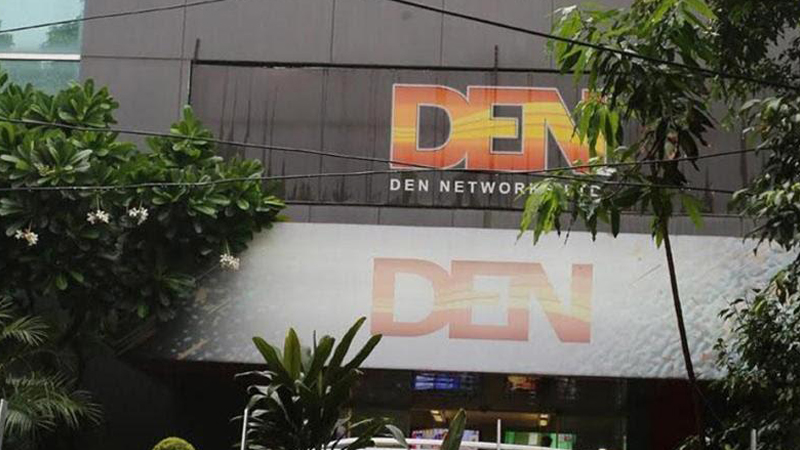
MUMBAI: When margins wobble, liquidity talks and in Q3 FY25-26, cash did most of the talking. Den Networks Limited closed the December quarter with consolidated revenue of Rs.251 crore, marginally higher than the previous quarter but down 4 per cent year-on-year, even as profitability stayed resilient on the back of strong cash reserves and disciplined cost control.
Subscription income softened to Rs.98 crore, slipping 3 per cent sequentially and 14 per cent from last year, while placement and marketing income offered some cheer, rising 15 per cent quarter-on-quarter to Rs.148 crore. Total costs climbed faster than revenue, up 7 per cent QoQ to Rs.238 crore, driven largely by higher content costs and operating expenses. As a result, EBITDA dropped sharply to Rs.13 crore from Rs.19 crore in Q2 and Rs.28 crore a year ago, pulling margins down to 5 per cent.
Yet, the bottom line refused to blink. Profit after tax stood at Rs.40 crore, up 15 per cent sequentially and only marginally lower than last year’s Rs.42 crore. A healthy Rs.57 crore in other income helped cushion operating pressure, keeping profit before tax at Rs.48 crore, broadly stable quarter-on-quarter despite the tougher cost environment.
The real headline-grabber, however, sits on the balance sheet. The company remains debt-free, with cash and cash equivalents swelling to Rs.3,279 crore as of December 31, 2025. Net worth rose to Rs.3,748 crore, while online collections accounted for 97 per cent of total receipts, underscoring strong cash discipline across operations, including subsidiaries.
In short, while Q3 showed signs of operating strain, the financial backbone remains solid. With zero gross debt, steady profits and a formidable cash war chest, the company enters the next quarter with flexibility firmly on its side proving that in uncertain markets, balance sheet strength can be the best growth strategy.