iWorld
Bob Iger on Disney’s bid to conquer streaming business

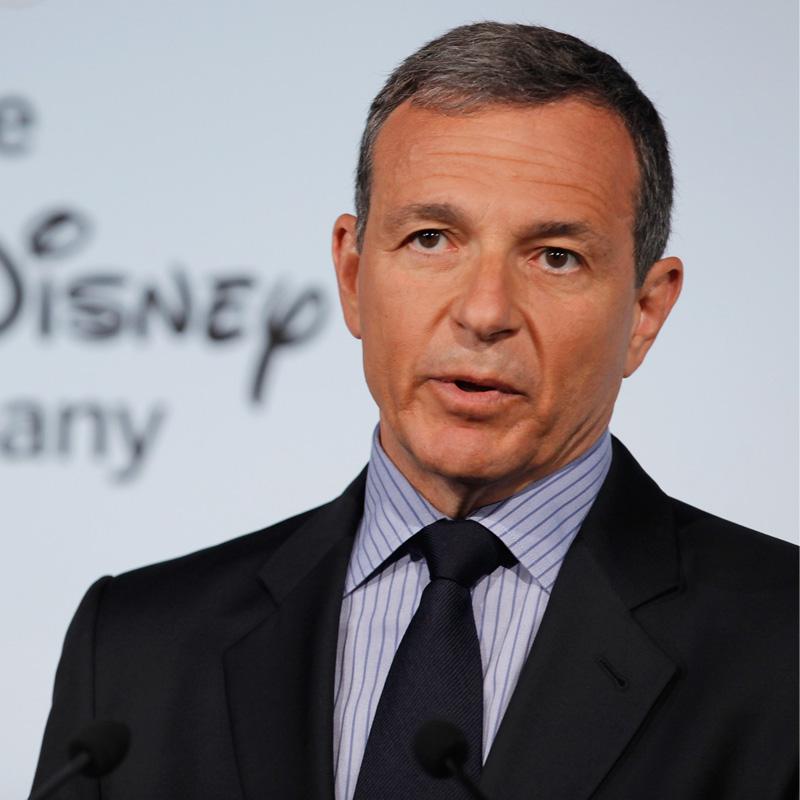
MUMBAI: The Walt Disney Company (Disney) is gradually changing the focus of its business. Despite having a strong revenue-generating traditional media business, the company is set to make a splash in with high-profile entry into the streaming era. While the newly created direct-to-consumer segment of the business remains the immediate top priority, the entertainment giant is focusing on both programming and technology to differentiate itself in the high-stakes battle.
The media conglomerate launched its audacious digital venture last April with sports streaming service ESPN+, which now has two million paid subscribers. Disney CEO and chairman Bob Iger said in an earnings call after Q1 results that from the nine-month journey of ESPN+, Disney has learned that BAMtech platform is capable of handling not only scale in terms of live streaming simultaneously but a substantial number of transactions in a very short period of time. Having fortified its base for the upcoming Disney+ service, the Bob Iger-led company seems confident about the streamer’s success.
Disney is aiming to pump in serious amounts of cash to produced exclusives for its upcoming streaming service, Disney+.
Iger told investors that Disney intends to relinquish $140 million (current rate) year over year in licensing revenue to provide the content it has currently licensed to Disney+. Captain Marvel will be the first Disney movie that the entertainment behemoth will entirely hold back from its licensee partners. The move is in line with Disney’s 2017 announcement of ending the practice of licensing its films to platforms like Netflix.
Iger also revealed that teams of many Disney sub-brands are producing content with Disney+ in mind.
“We have a number of creative engines across our company, many of which are dedicating their time and talents to develop content for the Disney+ platform,” Iger told investors.
“Many are the same innovators driving the prolific success of Disney, Pixar, Lucasfilm, and Marvel. We look forward to leveraging National Geographic for even more content on Disney+,” he added
Apart from Disney+ and ESPN +, the company will soon own a majority stake in the very popular over-the-top platform Hulu post its acquisition of 21st Century Fox closes. With just 30 per cent stake in Hulu, Iger thinks it’s premature to discuss its business prospects for now. The veteran executive, however, stated that Disney would look more aggressively at some international rollouts of Hulu.
While competitors are looking at bundling services on one platform, Disney has preferred segregation so far.
“Ultimately, our goal would be to use the same tech platform to make it easier for people to sign up for all three should they want to, same credit card, same username, same password, et cetera, but give the consumer the kind of choice that we think consumers are going to demand more and more in today's world,” Iger remarked.
He also mentioned that if a consumer wants to subscribe to two or three platforms together, Disney will probably offer a discount to them. On the other hand, having three different platforms will enable them to attract subscribers who only want to consume a particular type of content, for example, sports.
It’s evident from the fortunes of other OTT platforms that making profits in the streaming business at the moment is a long shot. Investors of Disney are also expecting the costs in streaming business to pressurize total revenue.
Talking about making Hulu’s business profitable, with its good subscriber base, Iger said that there is enough opportunity in media businesses citing the example of streaming giant Netflix.
“We think there's huge potential for Hulu to grow as well as for the other services to grow and plenty of room for other entrants in the marketplace. But we aim to take advantage of, on the Disney and ESPN side, our brands and that expertise,” he added.